

Working to keep BC roads safer for people and wildlife. A program of the BC Conservation Foundation. #wildlifecollisionsBC
British Columbia
Joined September 2020
- Tweets185
- Following98
- Followers112
- Likes260



Happy Holidays from your friends at the Wildlife Collision Prevention Program! We'd like to thank everyone for your support this past year.
If you're travelling this holiday season, be sure to drive safe and watch for wildlife!🦌
#IBrakeForWildlife

42
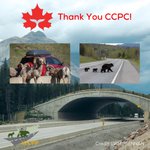
As the Crossing Paths campaign comes to a close, we want to extend our gratitude to CCPC for including us.
Visit theccpc.ca/crossing-paths to view the images, and view the full campaign video at youtube.com/watch?v=R_osQmip….

Today is Giving Tuesday! If you’re able, consider donating to the Wildlife Collision Prevention Program at: canadahelps.org/en/dn/1328
We are very grateful to those that donate to our organization and to all of you who support our mission.
#GivingTuesdayCA

3
46
The Wildlife Collision Prevention Program is so
excited to collaborate with @theCCPC on their campaign, Crossing Paths. Crossing Paths documents and showcases the challenges that wildlife face as a result of transportation throughout Canada.

2
55
Check out Report Roadkill BC!
inaturalist.org/projects/rep…
We've launched Report Roadkill BC to gather information on wildlife vehicle collisions in BC.
We're asking for those in BC to create a free iNaturalist account and upload images of roadkill from around the province.

Fall is a peak time for #WildlifeCollisions. Many species of wildlife are on the move – searching for mates, preparing for winter, and looking for better resources. Make sure to slow down, #WatchForWildlife in ditches and on roads, and drive carefully.

Multiple studies have shown that deer whistles aren’t effective in altering a deer’s behaviour in a way that would reduce deer-vehicle collisions.
If drivers think that deer whistles work, they may become complacent and rely on them instead of driving wildlife aware.


1
79
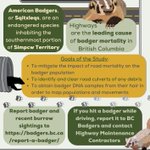
The Simpcw Badger Study works to reduce road mortality by clearing road culverts of debris, and obtaining badger DNA samples from their hair to map populations and movements.
Report badger sightings, fresh burrow activity and deceased badgers at badgers.bc.ca/report-a-badge…

2
67
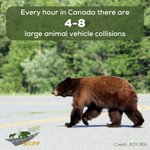
As traffic volume and road development increases, the number of WVCs may increase as well.
A collision with a large animal such as a moose, elk, or bear can seriously injure, or even kill, the occupants of the vehicle. Always drive carefully and scan the roadsides for wildlife.

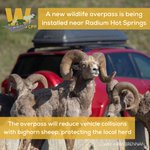
A new wildlife overpass is going in near Radium Hot Springs that will reduce wildlife vehicle collisions – specifically those with bighorn sheep. Similar projects have reduced wildlife vehicle collisions by 80-90%. Learn more:
news.gov.bc.ca/releases/2023…

The chances of being injured or killed in a WVC greatly increases for those on motorcycles.
When riding a motorcycle this summer, increase your following distance, adhere to road signs, wear a helmet, and slow down. Watch for wildlife in ditches and on the roadsides.

1
42
Driving while under the influence of drugs or alcohol can decrease your ability to react if wildlife is on the road.
Utilize taxis, ride shares, public transit, or have a designated driver if you’ve been using substances that impact your ability to drive.
@icbc #GetHomeSafeBC

1
40
Keep an eye out for sheep!
Sheep collisions peak this time of year as sheep are attracted to road salts and are accessing their lower elevation wintering grounds.
Slow down and stay alert to keep yourself and wildlife safe.

1
74
The exact times can vary by location and species of concern, but in general dusk and dawn is when drivers need to be especially vigilant in watching for wildlife on the road.
When driving at dusk and dawn be sure to slow down and keep an eye out for wildlife!

Do you #BrakeForWildlife? Don't forget that we have bumper stickers we’d love to send to you! If you’re interested in receiving a WCPP bumper sticker, email us at [email protected] with your address and we’ll mail them out to you.

To swerve or not to swerve? Braking is usually best. Consider driving slower to give yourself more time to react to wildlife on the road. If you’re driving slow enough, you may be able to avoid swerving entirely and avoid the animal by using your brakes alone.

Wildlife Collision Prevention Program retweeted

Wildlife crossings are a win-win!

ALT An extensive infographic showing why wildlife crossings are a conservation success story
The WCPP Team hopes that you're enjoying this holiday season!
If you will be travelling on the roads, watch for wildlife. Slowing down, driving to the conditions, and being vigilant during dusk and dawn will all help to prevent a collision with wildlife.
Drive Safe!

There is an increased risk of collisions with moose this time of year. Collisions with moose pose a significant risk of injury or death to motorists and passengers.
Moose are difficult to see at night, so be especially vigilant when driving in the dark or along snowy roads.

A pair of bighorn sheep in Radium were struck by vehicles in early December.
Watch for wildlife warning signs, drive for the conditions and watch your speed. Drive with care to keep yourself and our wildlife safe!
columbiavalleypioneer.com/pa…
