

I'm Steve Mouzon, author of the Original Green book and blog, which attempt to unlock the sustainability all our ancestors knew by heart, but which is now lost.
Miami Beach, FL
Joined July 2018
- Tweets221
- Following338
- Followers161
- Likes28


I was talking to a homeowner at @AlysBeachFl several years ago and told her that we designed the courtyard pools to provide the psychological cooling water is known for. She said “that’s not all. Because the courtyards are so private, if it’s warm, I just get naked and step in!
Build as if you’re building for the ages, not just the 8 years you’ll inhabit this place. Leave good traces of who you are and what you stand for in the places you build, and see to it that they lift both your spirits and those who come later, long after you are gone.
Build as if walking to school was normal and legal again. This means putting more eyes on the street to see the kids as they go, and also kids walking together rather than alone. Walk them to school or walk them home if you can, or befriend a neighbor who can. Or do it together.
Build as if you care about the youngest and the oldest. They usually don't drive. Build streets safe for them, and you've built streets safe for us all.
Build as if your neighborhood will be sustained by the young who can afford to move in rather than becoming a geriatric enclave that dies with you. To do this, they need accessory dwellings, Missing Middle Housing & other places they can afford. Around the block, not across town.
Build as if you want your kids to stay, not move away. In their teen years, don't bore them with subdivisions and office parks. If a Millennial won't work there, don't ask your kids to play there. After school or service, where can they afford to live in your neighborhood?
Build as if your land could nourish you. A home garden won't supplant all trips to the grocery, but the freshest food comes from closest around. And if you plant things, why not edible things? Don't let your yard lay fallow while you spend more of your money at the grocery store.
1
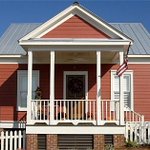
Build as if your neighbors were your friends, not just your subdivision co-habitators. You'll need a front porch in temperate climates for visiting with them, but also a very private courtyard where you can be alone with your family because we are at our best when we have both.
Build as if daylight is your first light, and artificial light is reserved for the night. The windows you'll add will also be great for cross-ventilation in warmer months, and everything in rooms with light on two sides (including the people) will be more beautiful.
1
Build as if you can’t afford to throw it away, and even if the future is different than what you thought, you've loved the making more, and will love the inhabitation more as well!
Build as if your children will inherit your house, and pass it down to future generations. To do this, they need to live with you there after 18, so design the 3-generation house, which is what's necessary to keep a home in the family. Why live somewhere you don't want to keep?
Build places as if we had no cars, so you can make a living where you're living and walk to the grocery store. Power yourself artificially to distant places when you have to, but travel under your own power on everyday trips. You'll be lighter, healthier, and happier by doing so.
Build as if you only have the sun to warm and the breezes to cool. Entice yourself outside with great #OutdoorRooms to condition yourself to the local environment so you can throw the windows open most days. On the most extreme days, use small but highly efficient equipment.
Build a neighborhood as if you only had a wheelbarrow, and you'll preserve much more of the character of the land and streams, and also many more trees. Your lots will be more valuable, and far less boring in the early years than land scraped flat because of engineering practice.
Throughout human history, highly vernacular architecture was the greatest source of affordable housing ever known. Today, people travel halfway around the world to see medieval affordable housing! Created by humans, not industry.
Getting the absolute biggest house you can for the same $ (a very common program requirement) pretty much guarantees that it’s the cheapest and least durable materials possible, and that you’ll be spending a lot as you begin replacing stuff quickly.
2
For decades after WWII, we indulged the luxury of throwaway places, but discovered they weren’t a luxury at all, but lowered our spirits at every turn. Build as if you can’t afford to throw it away, and you’ll build smaller, better, and more meaningfully. Small is the new luxury.