

The Association for Citizenship Teaching is the subject association promoting excellence in Citizenship education.
England
Joined March 2011
- Tweets10.1K
- Following1.3K
- Followers4K
- Likes3.6K







How can schools be supported to teach Citizenship well?
The Lords debate explored what curriculum reform needs to mean in practice for teachers and pupils.
Read our coverage and watch the longer highlights: teachingcitizenship.org.uk/l…
#CitizenshipEducation
Economics, equality, justice & democracy - they’re all connected. Ahead of #TalkMoneyWeek, explore how EFE brings these ideas to life in Citizenship education. Read the article in Issue 50 of Teaching Citizenship (p.18): ow.ly/oklh50ZWT7W

ACT retweeted

A brilliant speech and excellent debate showing support across the parties for stronger #citizenship in the NC - thank you @LordNortonLouth @UKHouseofLords @ACitizenshipT

My speech opening the debate in the Lords on Monday on the subject of citizenship education
hansard.parliament.uk/Lords/…

ACT’s G-EPIC classroom resources offer five evidence-based KS3 lessons exploring politics, political beliefs and different ways to create change through politics and active citizenship: ow.ly/H3bO50ZWT46

Specialist teachers, sufficient curriculum time and effective inspection.
Peers called for stronger support for Citizenship education in Monday’s Lords debate.
Read more and watch our longer highlights: ow.ly/YKTX51002XR
#CitizenshipEducation #NationalCurriculum
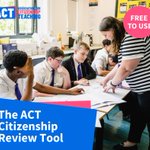
Take a closer look at Citizenship in your school. ACT’s Citizenship Review Tool helps schools identify strengths, areas for development and practical next steps across five key areas of Citizenship provision. Complete the Primary or Secondary Review Tool:ow.ly/Fcb050ZWSWF

How can we help students have respectful discussions about controversial issues? ACT’s Deliberative Classroom guidance supports teachers to use discussion and deliberation to develop knowledge, critical thinking and democratic values. Download: ow.ly/Thav50ZWSNp

How can we be informed consumers? Ahead of #TalkMoneyWeek, help KS3 students explore how spending choices connect to ethics, sustainability & human rights with this unit of work available for School and College members: ow.ly/k8AC50ZWSOJ

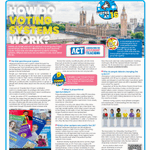
In this week's @First_News Special Report, we explore how voting systems work and how systems differ across the UK, helping young people understand #democracy, #representation and how their votes shape political decisions. Read the full edition: ow.ly/Iyeq50ZYVih

What does it take to make politics feel like something young people can take part in? @BryonyHoskins explores how classroom practice can help students develop their own political voice and learn that disagreement is part of democracy. Read it in @tes tes.com/magazine/teaching-le…

Today is #AntiSlaveryDay - a day which raises awareness of slavery past & present. In Teaching Citizenship 53, Ellis Brooks explores how lessons on slavery connect history to issues like #ModernSlavery, #BLM & #ActiveCitizenship. Pp. 28-33: ow.ly/tMAn50ZWSmg

ACT welcomes greater attention to speaking and listening in education.
Regular Citizenship lessons help pupils deepen their knowledge, explore ideas and develop informed arguments through oracy and communication.
Read our response: ow.ly/6ioU50ZYooB
#CitizenshipEducation

Yesterday, ACT’s @emoorse01 and Naomi Kennedy presented with Professor @James_Sloam at the NECE Festival in Lisbon, sharing expertise on how #CitizenshipEducation can build young people’s trust, confidence and participation in democracy.
#NECEFestival2026 @FCGulbenkian


Our Money, Finance & the Economy Curriculum Briefing supports you to teach the financial elements of the Citizenship programme of study for KS3 and KS4. Perfect for planning lessons ahead of #TalkMoneyWeek!
Download the briefing: ow.ly/PjE450ZWSxB

Our Special Report in this week's First News edition explores how local and general elections work, what elected representatives do, and how young people can understand who to turn to about issues that matter to them. Read the full edition: ow.ly/foGV50ZXcwW

Why Economic & Financial Education and why in Citizenship? As #TalkMoneyWeek approaches, revisit this Teaching Citizenship article exploring how money, ethics & democracy connect in the classroom. Pp. 6–7: ow.ly/Veat50ZWSv3 #FinanceEducation

ACT’s Chief Executive Liz Moorse and Curriculum and Resources Manager Naomi Kennedy are presenting with Professor James Sloam at #NECEFestival2026 in Lisbon, sharing expertise on how #CitizenshipEducation can build young people’s trust, confidence and participation in democracy.

How did #Citizenship become part of the #NationalCurriculum? From the Crick Report in 1998 to becoming statutory in 2002, the subject has a fascinating history. Learn about its development with ACT’s free short course: ow.ly/YACG50ZWStx

Councillor or MP? Local or general election? We’ve teamed up with @First_News to explain who does what, and how young people can make their voices heard. Perfect to explore in the classroom! ow.ly/UCkt50ZXckl #VotesAt16 #Citizenship

What does outstanding #Citizenship look like in your school? ACT’s #BigPictureofCitizenship helps schools reflect on their provision, from what you want to achieve to how you organise teaching and learning and evaluate its impact. ow.ly/BkpY50ZWSqI
