

American Fuel & Petrochemical Manufacturers represents the makers of the fuels that keep us moving and the petrochemical building blocks for modern life.
Washington, D.C.
Joined April 2011
- Tweets10K
- Following1.2K
- Followers17.2K
- Likes2.5K







What tabs we’ve got open today:
➡️AFPM EMPOWER Votes
With the 2026 midterm elections less than TWO WEEKS away, head on over to our EMPOWER Votes website to check your voter registration, explore where candidates stand on the issues that matter to our industries and more. (empowervotes.afpm.org/)
➡️ AFPM: RFS reallocation would undercut WH fuel affordability efforts
From the AFPM Newsroom: our President and CEO’s statement on EPA’s release of a proposed rule to expand the 2026-2027 Renewable Fuel Standard by tacking on additional obligations from 2025 via “reallocation.” (afpm.org/newsroom/news/afpm-…)

Chemistry is essential to the refining and petrochemical industries, helping us turn crude oil into the fuels, petrochemicals and refined products we rely on every day.
As Bridget, former Director of Research, Technology, Innovation and Global Sustainability at Westlake Global Compounds, told us:
“What I’ve always really liked about chemistry is that I can use it to solve problems, and solve problems from simple things, such as … how do I make it stronger, but also more complex things, how do I make it safer? How do I make it more environmentally friendly? I love chemistry ‘cause I can figure things out.”
#NationalChemistryWeek
America’s refiners and petrochemical manufacturers rely on freight rail to move our products where they need to go — but a proposed merger between two of the last freight railroads could raise costs and erode service.
Our President and CEO @CThompsonAFPM co-authored a blog post with @JahnChris, President and CEO of @AmChemistry, and @EricR_ACD, President and CEO of the @ACD_chem, arguing trade associations deserve to have a voice in this critical conversation.


Where was AFPM this week? We were in Texas, touring Port Houston. The largest port in Texas and one of the largest in the nation, the port is essential for moving American crude oil, petrochemicals and refined products.
We really appreciate @Port_Houston for facilitating the boat tour!
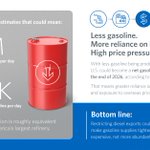
The conflict with Iran continues to put pressure on global oil and fuel markets. Here in the U.S., our refineries are running hard to meet demand, but supplies are tighter in some areas of the country than others.
Why is that?


What tabs we’ve got open today:
➡️ What refiners are doing about the global diesel crunch
From the AFPM Newsroom: We explain what’s going on with the global diesel market, how it’s affecting us here in the U.S. and what our refiners are doing to meet the moment. (afpm.org/newsroom/blog/what-…)

➡️AFPM 2027 Events
As we (somehow) approach the end of 2026, take a look at our schedule of 2027 conferences, including our Annual Meeting, International Petrochemical Conference and Summit. (afpm.org/events)
America’s refiners and petrochemical manufacturers turn oil into the building blocks of products we all depend on — from advanced microchips that power technology to medical equipment that keeps doctors and patients safe.
The Recycling Materials Attribution Act (RMAA). What is it? Why do we need it? What would it do?
AFPM’s VP of Midstream and Petrochemicals, Rob Benedict, answers these questions and more in our new Q&A about this bipartisan bill. He also explains how consumers would benefit from the RMAA, plus how it’d encourage recycling investment and innovation.

Paging Susan Collins…
A diesel export ban wouldn't just increase gas prices, tighten domestic fuel supplies or hurt energy manufacturing in the Gulf Coast. It’d also expose some of America’s most energy-dependent regions to retaliation and even greater energy supply disruptions. And the regions most vulnerable to this? The Northeast and West Coast.
The West Coast is also exposed. California and neighboring states operate in a relatively isolated fuel market with limited pipeline connections to the rest of the U.S. They’re net importers of crude oil and gasoline, and when refinery outages or supply shortages occur, the region becomes even more dependent on international markets for replacement barrels. Retaliatory trade actions that restrict those flows could tighten supplies in region and drive prices higher.
