

What did people in the past think about the future and how did this affect their actions in Europe, c. 1400 - 1830? Using merchant letters. ERC Starting Grant
University of Antwerp
Joined January 2020
- Tweets179
- Following10
- Followers168
- Likes22




Back2theFuture retweeted

Wil jij ook weten hoe mensen zich in de vroegmoderne tijd voorbereidden op de toekomst? Kom dan naar ons jaarcongres op 25 oktober! Alle info hier: vnvng.eu/2024/09/16/jaarcong…

Back2theFuture retweeted

We’re thrilled to announce that our next seminar will be by Sara Budts @srbdts (@UrbanhistoryUA, University of Antwerp) on “Modelling the past: the use of digital text analysis techniques for historical research”, 17/11/2023 at 11am CET. Details here: almanach.inria.fr/seminars-e…

Back2theFuture retweeted

3: tijdsindeling is een dingetje. De middag is om 1200, de namiddag begint rond 1400 de avond rond 1800. Je kan geen halve dag middag hebben en verwachten dat men op tijd komt.
Back2theFuture retweeted

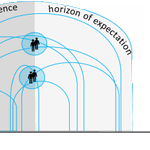
Sanne Hermans @UAntwerpen about the Early Modern Dutch discourse of rupture to create a better understanding of past temporal experiences #ICNS2023 #Madison #Wisconsin

Back2theFuture retweeted
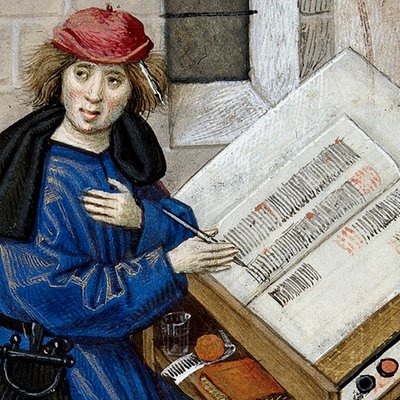
Be our Valentine!
Here is the oldest Valentine's letter in the English language.
It was sent by Margery Brews to her 'right well-beloved valentine', John Paston, in 1477.
Reader, he married her ❤️❤️❤️
bl.uk/collection-items/valen…
#ValentinesDay2022

Back2theFuture retweeted

#ERC10kGrantees Without ERC StGr would never have been able to explore the quirky question about how people in the past thought about the future and how it affected their actions with @eheijmans89 @srbdts @ZennaroNicolo @SanneHermans4 & Max-Quentin Bischoff @Back2FutureERC
Back2theFuture retweeted
We are looking for new team members: 2) a PhD-student with good knowledge of German and an interest in the history of future expectations (using merchant letters) (and the link between crises and future thinking!): 4 years, fully funded uantwerpen.be/en/jobs/vacanc… #twitterstorians