

Clean Data. Fundamental Models. 4,000+ financial models with every KPI that matters, built and updated by our team of analysts.
Joined November 2016
- Tweets1.3K
- Following961
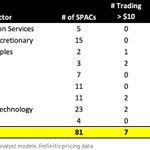
- Followers3.5K
- Likes1.6K






Pinned Tweet
🚀Canalyst has been ranked #49 on @FinancialTimes list of The Americas' 500 Fastest-Growing Companies 2022! ft.com/content/6ee8f978-a2e0…

We’re excited to announce that @TegusHQ has acquired Canalyst. Read about the acquisition here: tegus.com/blog/tegus-acquire…
18/ Canalyst increasingly aims to help you explore and uncover new research ideas. In the coming months we’ll be releasing new functionality on our web portal and in Excel, so sign up to our newsletter to stay current! canalyst.com/news/

17/ Nextdoor $KIND. Neighbors around the world turn to Nextdoor daily to receive trusted
information, give and get help, get things done, and build real-world connections with those nearby. Client dl: bit.ly/3Iq9QpV
16/ Matterport $MTTR turns buildings into data to make every space more valuable. Buildings are
transformed into immersive Matterport digital twins to improve every part of the building lifecycle. Client dl: bit.ly/3PcTtPr
15/ Proterra $PTRA is a designer/manufacturer of zero-emission electric transit vehicles and EV technology solutions for commercial applications. Client dl: bit.ly/3uyoS7b
14/ Please note as usual, these are not recommendations! However, investing in any broken SPACs is a contrarian play, so looking for high growth & enough runway to make it seems like a good place to start.

12/ Of the remaining 8 names, we sort for revenue growth >30%, and >3 years of cash burn, measured by Net Cash / Current Year CFO.
10/ Unlike our IPO screen, where we discarded these names, for our SPAC deep dive, we lean into these instead! Our logic here is that anyone brave enough to wade into the devastated SPAC market is looking for multi-year growth stories.
9/ The type of names that have been punished by this market tend to be money-losing companies, as the cost of capital has risen. In this list, there are 14 names with negative current EBITDA margins. Of these, 11 have net cash.

7/ Interestingly, 6 of the 7 SPACs trading >$10 are in this group, suggesting that a subset of
more mature companies had performed relatively better.
4/ First, some numbers. Since the start of 2021, Canalyst has built de-SPAC models on 81 companies, after deals were announced. By sector: 28 TMT, 17 Consumer, 11 Healthcare, 7 Financials, 11 Industrials, and 7 in other sectors.