

The integrated Chinese course for committed learners.
Stockholm, Sweden
Joined June 2013
- Tweets766
- Following80
- Followers2K
- Likes278




#6. Without characters, it’s hard to tell homophones apart
blog.chinese-me.com/do-you-r…
Testimonial from a Chinese teacher at Uppsala University: "[...] ChineseMe is a wonderful blend of practical skills and academic rigour. [...] this course goes in-depth to provide an accessible presentation of what makes Chinese so unique and interesting." chinese-me.com
New Video - Chinese consonant pairs and Aspiration
Learn the difference between d- and t- in Chinese!
chinese-me.com/blog/chinese-…
We just released a PDF version of our Mandarin Chinese course. It is designed for complete beginners and provides a clear, comprehensive and entertaining introduction to the language. Tell us what you think!
chinese-me.com/blog/learn-ch…
#4. Knowing characters helps you understand and learn new words
blog.chinese-me.com/do-you-r…
#3. Without characters, you live the life of a five-year-old
blog.chinese-me.com/do-you-r…
#1. Learning characters is easier than many people think
blog.chinese-me.com/do-you-r…
New article: Do you really need to learn Chinese characters?
blog.chinese-me.com/do-you-r…
Just realised that Chineasy liked this tweet. This is either subtle self-mockery or an example of a Twitter marketing automation gone wrong.
nitter.gq/ChineseMeHQ/status/981…


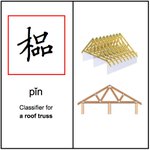
榀 (pǐn), classifier for a roof truss
If you and your Chinese friends are building a house and you suddenly want to discuss something about the roof, don’t forget to use the correct classifier!
blog.chinese-me.com/5-ridicu…

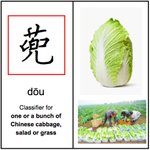
Definitely not the most common character: 蔸 (dōu), classifier for one or a bunch of Chinese cabbage, salad or grass ( 一蔸白菜 ) blog.chinese-me.com/5-ridicu…
