Pinned Tweet
Cobalt is live.
Connect a GitHub repo, describe the task the way you'd describe it to another developer, and get back a pull request you can review.
cobaltcode.ai/blog/introduci…
Leave Cobalt in a background tab. The title shows how many unread messages are waiting for you.
cobaltcode.ai/blog/workspace…
Review a result from your phone. Switch between the conversation and Preview and your half-written message is still there when you come back.
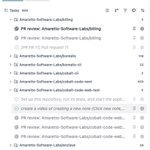
Group your tasks by repository. Expand the project you are working on, collapse the rest, and reach last week's task without paging past a busy review Loop.
Three improvements to the Cobalt workspace: repository groups in the task sidebar, a mobile layout with more room for chat and Preview, and unread messages in your browser tab.
Keep the failing check when you report a regression, and run the same script again once the fix is in.
cobaltcode.ai/blog/scripted-…
Ask for the check and the evidence together:
"Write and run a Playwright check in Agent Browser that saves the display name, reloads, and asserts it persisted. Record the run with captions and show me the script and results."
One script runs the whole journey: fill the form, save, reload, assert. Your agent spends its next turn reading the result instead of asking for every click.
Cobalt agents can now run Playwright scripts in Agent Browser. Ask for a repeatable check of your application and get back the assertions and a captioned recording.
Make Cobalt's review a merge requirement, then let GitHub or Azure DevOps complete the PR under your own branch policies.
cobaltcode.ai/blog/automate-…
Give Bug triage a report it can test:
"Reproduce the page-count error: 21 items at ten per page returns two pages instead of three. Add a regression test. If the fix is localized, implement it and open a PR with the before-and-after results."
Bug triage reads the issue and its discussion, finds the likely cause, and posts an implementation plan before it changes any code.
New guide: automate bugfixes with Cobalt Loops. Follow one pagination bug from the report through investigation, a tested correction and an independent review.
Start with the request you already make on every pull request, and let a Loop make it for you.
cobaltcode.ai/blog/common-lo…
Teach a Common Loop about your repository:
"Update this PR review Loop to check CSV imports for duplicate customer rows and interrupted uploads. Run the import tests and report the exact failing case."
PR review keeps one reusable task per pull request. When the author pushes a new revision, the next review already knows what it found last time.
Common Loops are now in Cobalt: ready-made PR review, Bug triage, PR fixes and Auto-complete PRs. Choose the ones you want, pick a coding agent, and they start working on your repository.
Keep the investigation and the fix as separate tasks on the same issue, each with its own history and computer.
cobaltcode.ai/blog/issues-wo…
Hand an issue to the workspace assistant:
"Investigate why the final search-results page is missing. Read this issue and its discussion, cite the evidence for each finding, and save an investigation note with the issue."
Read the whole issue before you delegate it. Cobalt shows the description, child issues and comments together, including the later comment that corrects the original report.