

Economista y PhD en Management Presidente, @Def_Competencia Prof. Finanzas y Gobierno Corporativo, @um_umpe Casado con Isabel, 6 hijos Opiniones personales
Joined October 2019
- Tweets4K
- Following1.9K
- Followers2.1K
- Likes8K









Mucho trabajo preparando la venida de León XIV
elpais.com.uy/informacion/so…

El sacerdote Pablo Coimbra, párroco de Nuestra Señora de Guadalupe, reflexiona sobre la presencia de la Iglesia Católica en Casavalle, su trabajo con las familias más vulnerables y el significado de la próxima visita del papa León XIV. elpais.com.uy/informacion/so…

Daniel Ferres retweeted

Daniel Sturla, exclusivo: "La Doctrina Social de la Iglesia se ha ido profundizando. Pero el Papa León es sucesor de Pedro, no de Francisco. Sin embargo, las grandes intuiciones proféticas que tuvo el Papa Francisco, León las ha continuado".
Daniel Ferres retweeted

BREAKING: Foreign holdings of US Treasuries jumped +$83 billion in August, to $9.33 trillion, their 6th-highest total on record.
The surge was driven by Canada, which raised its holdings by +$38 billion, to $465 billion, its 4th-highest on record.
This was followed by Belgium, which increased its holdings by +$20 billion, to a record $491 billion.
The UK, the 2nd-largest holder, raised its holdings by +$11 billion, to a record $1.01 trillion.
Meanwhile, Japan, the largest foreign holder, cut its holdings by -$36 billion, to $1.07 trillion, its lowest since November 2024.
China, the 3rd-largest holder, reduced its holdings by -$27 billion, to $591 billion, its lowest level since August 2008.
Foreign holdings of US Treasuries are rising despite continued selling in Japan and China.


Daniel Ferres retweeted

The biggest, and stupidest, myth in European politics, particularly popular in France, is that Europe suffers the consequences of "austerity" and "neoliberalism". In the biggest 5 countries in Europe, more than half of the population makes its income from the state, less than half from the private sector. This is what makes the problem of reducing the welfare state so impossible: more than half of the voters are net recipients. No surprise that Italy's budget has not been balanced in 100 years, France's in 50 years (ooh la la, l'austérité!!):
-France: 30 million from the state versus 21m private sector workers. State spending is 57% of GDP, taxes more than half the economy. The budget hasn't been balanced in the lifetime of most French (since 1974).
- Germany: 35 million adults from the state, versus 34 million from the private sector. 10% of the population is registered as severely disabled. Public spending is over half of GDP. Germany has had a continuous budget deficit since 2019.
-Italy: 23 million from the state, versus 20.5 million private-sector workers. Public spending is 51% of GDP. Italy has had a budget deficit every year since 1925, for 100 years.
- Spain more people get their income from the state since 2024: 18.21 million from the public sector versus 17.9 million people working in the private sector. Since 2025, Spain also had more government employees than self-employed workers (autónomos) for the first time in history. State spending is at 45%, budget has not been balanced since 2007.
- UK: 54% of households now receive more in state benefits than they pay in taxes. State spending is 44.5% of GDP, taxes (40%) are at their highest since 1950, the budget hasn't been balanced since 2001, and 1 in 5 new cars is paid by the government through a bizarre state disability scheme (Motability).

Daniel Ferres retweeted

Money spent on interest is money that can't go to public investment, social spending, or support during downturns. In low-income countries, interest payments today consume over 15% of tax revenues. Read more in the latest Fiscal Monitor blog: imf.org/en/blogs/articles/20…

Daniel Ferres retweeted
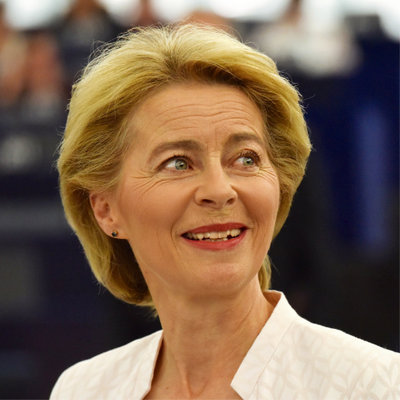
I want to express my best wishes to @Pontifex following his surgery yesterday.
His serenity and strength are an inspiration for all of us.
We hope for his full and speedy recovery.
Daniel Ferres retweeted

La convergencia fiscal propuesta en nueva ley de presupuestos es una necesidad imprescindible para Chile.El mundo cambió:ya no solo los Gobiernos demandan los ahorros globales,sino que también las empresas que lideran las nuevas tecnologías

📰 𝗗𝗲𝗹 𝗲𝘅𝗰𝗲𝘀𝗼 𝗱𝗲 𝗮𝗵𝗼𝗿𝗿𝗼 𝗮 𝗹𝗮 𝗰𝗼𝗺𝗽𝗲𝘁𝗲𝗻𝗰𝗶𝗮 𝗽𝗼𝗿 𝗲𝗹 𝗰𝗮𝗽𝗶𝘁𝗮𝗹
Escribo en El Mundo sobre un cambio estructural en los mercados de deuda, que la guerra de Irán ha venido a agravar.
⚡ 𝗠𝗮́𝘀 𝗼𝗳𝗲𝗿𝘁𝗮 𝗱𝗲 𝗱𝗲𝘂𝗱𝗮, 𝗰𝗼𝗻 𝗻𝘂𝗲𝘃𝗼𝘀 𝗮𝗰𝘁𝗼𝗿𝗲𝘀, 𝘆 𝗺𝗲𝗻𝗼𝘀 𝗱𝗲𝗺𝗮𝗻𝗱𝗮
📈 𝗠𝗮́𝘀 𝗼𝗳𝗲𝗿𝘁𝗮: 𝗕𝗶𝗴 𝗧𝗲𝗰𝗵 𝘆 𝗘𝘀𝘁𝗮𝗱𝗼𝘀
🔹 Alphabet, mismo rating que EEUU (AA+). Amazon, NVIDIA (AA) y Meta (AA-), por encima de Francia y España (A+) e Italia (BBB+)
🔹 Estas cinco han emitido 𝟮𝟱𝟰.𝟬𝟬𝟬 𝗠$ en bonos este año, más del doble que en 2025, para centros de datos e IA. De ellos, 23.500 M en euros
🔹 Es el 𝗿𝗲𝘃𝗲𝗿𝘀𝗲 𝗰𝗿𝗼𝘄𝗱𝗶𝗻𝗴 𝗼𝘂𝘁: no es el Estado el que desplaza al sector privado, sino las Big Tech las que captan el ahorro y encarecen la financiación pública
🔹 Y los Estados necesitan ese ahorro más que nunca: defensa, transición energética, digitalización, envejecimiento. Alemania: de 199.000 M€ en 2019 a 𝟱𝟭𝟮.𝟬𝟬𝟬 𝗠€ este año
📉 𝗠𝗲𝗻𝗼𝘀 𝗱𝗲𝗺𝗮𝗻𝗱𝗮: 𝘀𝗲 𝗮𝗰𝗮𝗯𝗮 𝗲𝗹 𝘀𝗮𝘃𝗶𝗻𝗴𝘀 𝗴𝗹𝘂𝘁
🔹 China: su cartera de deuda de EEUU, en mínimos desde 2008: del 11% de la negociable en 2013 a 𝗺𝗲𝗻𝗼𝘀 𝗱𝗲𝗹 𝟮%
🔹 Golfo: ya no solo presta, también se endeuda: más de 100.000 M$ en bonos en seis meses
🔹 BCE: ya no reinvierte la deuda que vence
🔹 Fed: redujo su cartera en 2,2 billones $ (2022-2025). Ahora reinvierte, pero sus compras adicionales van al corto plazo
➡️ El hueco lo cubren inversores privados, que exigen rentabilidad acorde con el riesgo
🔥 𝗔 𝗲𝘀𝘁𝗲 𝗰𝗮𝗺𝗯𝗶𝗼 𝗲𝘀𝘁𝗿𝘂𝗰𝘁𝘂𝗿𝗮𝗹 𝘀𝗲 𝘀𝘂𝗺𝗮 𝗹𝗮 𝗴𝘂𝗲𝗿𝗿𝗮 𝗱𝗲 𝗜𝗿𝗮́𝗻
🔹 Energía e inflación al alza: suben los tipos
🔹 EEUU a 10 años 𝗽𝗼𝗿 𝗲𝗻𝗰𝗶𝗺𝗮 𝗱𝗲𝗹 𝟱,𝟮%; Alemania y Francia, en máximos desde 2009 y 2002
⚖️ 𝗡𝗼 𝗮𝗳𝗲𝗰𝘁𝗮 𝗮 𝘁𝗼𝗱𝗼𝘀 𝗽𝗼𝗿 𝗶𝗴𝘂𝗮𝗹: 𝗲𝗻𝘁𝗿𝗮𝗻 𝗲𝗻 𝗷𝘂𝗲𝗴𝗼 𝗰𝗼𝗻𝘀𝗶𝗱𝗲𝗿𝗮𝗰𝗶𝗼𝗻𝗲𝘀 𝗳𝗶𝘀𝗰𝗮𝗹𝗲𝘀
🔹 Pesa cuánto emite cada país y cómo ve el mercado su disciplina fiscal
🔹 Referencia común: el swap a 10 años sobre el €STR (OIS), sin riesgo de crédito soberano; refleja lo que se espera de los tipos del BCE. El diferencial con el OIS es lo que paga cada país de más o de menos
🇩🇪 𝗔𝗹𝗲𝗺𝗮𝗻𝗶𝗮 𝘆𝗮 𝗻𝗼 𝗲𝘀 𝗹𝗮 𝗲𝘅𝗰𝗲𝗽𝗰𝗶𝗼́𝗻
🔹 Lo normal es pagar algo más que el OIS. Alemania no: en 2022 pagaba 92 pb menos, porque el Bund era escaso y muy útil como garantía
🔹 Con la reforma del freno de la deuda hay más Bunds, y el BCE no reinvierte: se acabó la escasez. Hoy paga 15 pb más
🔹 Desde la guerra, Bund +87 pb y OIS +91: a la par
🇫🇷 𝗘𝗻 𝗼𝘁𝗿𝗼𝘀 𝗽𝗲𝘀𝗮 𝗲𝗹 𝗿𝗶𝗲𝘀𝗴𝗼 𝗱𝗲 𝗰𝗿𝗲́𝗱𝗶𝘁𝗼, 𝘀𝗼𝗯𝗿𝗲 𝘁𝗼𝗱𝗼 𝗲𝗻 𝗙𝗿𝗮𝗻𝗰𝗶𝗮
🔹 Mismo periodo: Francia +𝟭𝟳𝟭 𝗽𝗯, Italia +143, España +109
🔹 Francia ya rinde más que Portugal, España o Grecia, que pasaron por programas de asistencia y reformas. Francia no: en 2025 suspendió su reforma de pensiones
⏳ 𝗖𝗼𝘀𝘁𝗲 𝗴𝗿𝗮𝗱𝘂𝗮𝗹, 𝗽𝗲𝗿𝗼 𝗮𝗰𝘂𝗺𝘂𝗹𝗮𝘁𝗶𝘃𝗼
🔹 España: 2,4% de coste medio de su deuda viva; el 10 años, al 4,15%
🔹 Francia: intereses de 62.600 a 𝟳𝟮.𝟵𝟬𝟬 𝗠€ 𝗲𝗻 𝟮𝟬𝟮𝟳
🔹 EEUU debe refinanciar 𝗺𝗮́𝘀 𝗱𝗲 𝘂𝗻 𝘁𝗲𝗿𝗰𝗶𝗼 𝗱𝗲 𝘀𝘂 𝗱𝗲𝘂𝗱𝗮 𝗲𝗻 𝗱𝗼𝗰𝗲 𝗺𝗲𝘀𝗲𝘀
✅ 𝗖𝗼𝗻𝗰𝗹𝘂𝘀𝗶𝗼́𝗻
🔹 Parte de la subida revertirá cuando remitan las tensiones en Ormuz, pero la credibilidad fiscal es condición para financiarse a coste razonable
🔹 𝗡𝗶𝗻𝗴𝘂́𝗻 𝗽𝗮𝗶́𝘀 𝗱𝗲 𝗹𝗮 𝘇𝗼𝗻𝗮 𝗲𝘂𝗿𝗼, 𝘁𝗮𝗺𝗽𝗼𝗰𝗼 𝗘𝘀𝗽𝗮𝗻̃𝗮, 𝗽𝘂𝗲𝗱𝗲 𝗱𝗮𝗿𝗹𝗮 𝗽𝗼𝗿 𝘀𝗲𝗻𝘁𝗮𝗱𝗮
Enlace en comentarios

Daniel Ferres retweeted

El Papa anunció que esta semana se someterá a una intervención quirúrgica para extirparle un nódulo localizado en uno de sus pulmones. Recemos por su pronta recuperación y continuemos con mayor ánimo la preparación de su visita a nuestra tierra.

En general, el debate fiscal está demasiado concentrado en cómo financiar el gasto público (deuda / impuestos / déficit) y demasiado poco en evaluar en qué se gasta, cómo se implementa y los resultados esperados / alcanzados. Es clave volver a evaluar la productividad del gasto.

May come as a bit of a surprise to those of us who were following Paul's writings in the 2010s when he was railing against Eurozone "austerity craziness".
With interest rates at the zero lower bound, he argued that fiscal consolidation in a depressed economy was self-defeating: multipliers were large, so cutting deficits deepened the slump and did little for debt ratios. France was one of his recurring examples. It turns out that French policymakers were listening to him. In every big recession, they massively increased spending. But the multipliers were not as big as advertised. Deficits didn't pay for themselves.
Government debt/GDP is a persistent state variable. Bond yields are not. If the only reason you're changing your mind is because yields are up, then your advice wasn't that good to begin with.
Op-eds and blog posts arguing against French austerity (list generated by Claude)
“Franc Thoughts on Long-Run Fiscal Issues,” blog post (Conscience of a Liberal), August 11, 2011. Argues there are limits to deficits but they are not relevant now.
“Those Revolting Europeans,” NYT column, May 2012. Welcomes Hollande’s election as a rejection of austerity. (Title and date from memory; please verify before citing.)
“The Plot Against France,” NYT column, November 11, 2013 (online November 10). Attacks the S&P downgrade; calls French fiscal prospects “distinctly nonalarming.”
“France by the Numbers,” blog post, January 2014. Mocks French elite pessimism after Hollande’s supply-side turn.
“Scandal in France,” NYT column, January 17, 2014. Calls Hollande’s embrace of austerity and supply-side doctrine scandalous.
“The Fall of France,” NYT column, August 29, 2014 (print, p. A23). Says Hollande folded to austerity demands; France “isn’t Greece” and not fragile.
Related: defenses of the French model, not explicitly about austerity
7. “What’s the Matter With Europe?”, NYT column, May 2017. Argues France is a fairly successful economy that gets bad press from welfare-state critics.
8. Twitter thread, November 5, 2019. Argues France gets bad press not borne out by the facts.

¿Qué hace posible crear valor? Datos confiables, rediseñar procesos, integración tecnológica, equipos / talento, gobernanza y gestión de riesgos. @UnivMontevideo @EmpresasUM

La IA también está redefiniendo el rol del CFO. La función financiera ya no puede limitarse a reportar resultados/controlar costos. Cada vez más, deberá liderar decisiones sobre productividad, inversiones, automatización de procesos y uso de datos. El CFO estará en el centro.

En mercados cada vez más competidos, la transformación digital permitió a los bancos llevar transacciones de la sucursal a la web/apps, reduciendo costos y mejorando la experiencia. La próxima frontera es la IA: un salto en productividad, personalización y capacidad de respuesta


1/ **Invertir en competencia genera retornos**. La política de competencia no es simplemente un costo institucional: es una inversión que puede generar retornos económicos importantes.
52/ Los carteles que no se forman, las conductas anticompetitivas que no se implementan y las barreras que no se crean son difíciles de observar, pero no por eso menos relevantes.