

Insight, Charts, News. Latest crypto updates, Market analysis. Automation Dev, 7+ years in Crypto, DM for work.
X
Joined February 2019
- Tweets363K
- Following20.1K
- Followers32K
- Likes136K




Pinned Tweet
Sometimes, I just want to step away from the screen, stand by the ocean, and reflect on how far I've come.
Working full-time in Web3 has taught me that this journey is about much more than making money or chasing the next big opportunity.
There have been countless nights staying up until 2-3 AM, trades that didn't go as planned, and projects I once believed in that slowly disappeared.
But along the way, I've gained knowledge, built meaningful connections, and experienced things I never imagined possible.
I'm genuinely grateful to Web3 for giving me the freedom to do what I love, meet like-minded people, and build my own path.
A big thank you to everyone who has supported me, interacted with my posts, and been part of this journey.
I know there will be more ups and downs ahead, just like the waves in front of me.
But I hope that a few years from now, I'll look back at this moment and say: I'm glad I didn't give up.


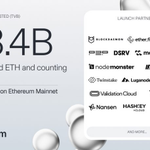
Optimum vừa đưa giao thức mump2p lên Ethereum mainnet để tăng tốc truyền dữ liệu cho validator.
Hệ thống dùng random linear network coding để gửi các mảnh dữ liệu thay vì toàn bộ block, giúp giảm trùng lặp và tăng tốc độ. Hiện có khoảng 16 operator chạy mump2p, quản lý hơn 1,4 triệu ETH được stake. Optimum cho biết block đến nhanh hơn khoảng 2,5-3,5 lần so với GossipSub mặc định.
Việc tăng tốc truyền dữ liệu có thể giúp validator nhận block sớm hơn, từ đó cải thiện hiệu suất. Tuy nhiên một số đo lường độc lập cho thấy mức cải thiện thực tế có thể khác nhau tùy client.

Duc Crypto retweeted
YouTuber Tim Pan vừa đưa iPhone Duo qua bài test độ bền 10.000 lần gập.
Máy được gập liên tục trên thiết bị chuyên dụng ở nhiệt độ phòng, rồi thêm 1.000 lần nữa trong buồng lạnh -20°C. Nếp gấp trên màn hình bên trong trở nên rõ hơn sau quá trình test, nhưng bản lề vẫn hoạt động mượt và không có dấu hiệu hỏng cấu trúc.
Đây là kiểu kiểm tra thực tế mà nhiều người quan tâm khi cân nhắc mua điện thoại gập. Với mức giá gần $2.000, việc bản lề chịu được số lần gập lớn như vậy được chú ý, dù nếp gấp màn hình vẫn là điểm nhiều người để ý.
Duc Crypto retweeted
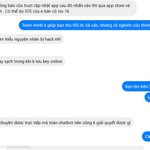
Quá đau đớn: $27k biến mất khỏi Trust Wallet !!
Một thành viên cộng đồng 5 Phút Crypto vừa chia sẻ câu chuyện mất tiền sau khi cập nhật ứng dụng trên iPhone chạy iOS 16. Người này khẳng định đã giữ seed phrase trên giấy suốt nhiều năm, không lưu trên mạng.
Trước giờ ae thường được nhắc rằng chỉ cần giữ kín 12 từ khóa là tài sản sẽ an toàn. Nhưng với ví nóng, private key vẫn phải được thiết bị sử dụng để ký giao dịch. Nếu điện thoại bị kiểm soát, hacker có thể tìm cách lấy dữ liệu ví mà không cần nạn nhân tự tiết lộ seed phrase.
Các lỗ hổng iOS từng được SlowMist phân tích cho thấy kiểu tấn công này hoàn toàn có cơ sở kỹ thuật, dù chưa thể kết luận đây là nguyên nhân vụ việc.
Nhiều bạn có thể đang giữ hàng nghìn $BTC, $ETH tính theo giá trị quy đổi trên chiếc điện thoại dùng hằng ngày, nơi chúng ta mở đủ loại website và ứng dụng.
Với tài sản lớn, mình vẫn nghiêng về ví lạnh để tách khóa ký khỏi điện thoại. Ví nóng chỉ nên giữ số tiền cần sử dụng thường xuyên.
Mất tiền vì lộ seed phrase còn biết mình sai ở đâu. Đáng sợ hơn là làm mọi thứ tưởng như đúng mà tài sản vẫn biến mất !!
Duc Crypto retweeted
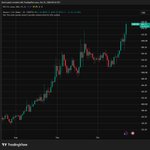
Thị trường đỏ lửa, Monero vẫn một mình leo đỉnh!
Trong lúc $BTC và $ETH vừa có nhịp điều chỉnh mạnh, $XMR lại vượt $650, tăng hơn 9% trong 24h và trên 20% trong tuần. Vốn hóa đã vượt $12B, đưa Monero lên vị trí thứ 6 thị trường.
Monero là một trong những dự án lâu đời tập trung vào quyền riêng tư, với giao dịch mặc định che giấu người gửi, người nhận và số tiền. Khi câu chuyện privacy coin nóng trở lại, XMR đang thu hút sự chú ý cùng nhóm với ZEC.
Theo dữ liệu Santiment được truyền thông dẫn lại, lượng hợp đồng futures mở đã tăng hơn 20% trong giai đoạn 15-20/10. Điều này cho thấy dòng tiền đầu cơ cũng đang tham gia mạnh hơn vào đợt tăng.
XMR đã vượt vùng $600 và tiến sát $660. Nhưng RSI đã lên trên 75, tức là giá đang khá nóng sau chuỗi tăng liên tục.
Mình thích việc Monero vẫn giữ được nhu cầu sử dụng riêng dù từng gặp nhiều rào cản niêm yết. Nhưng privacy coin cũng phải đánh đổi bằng áp lực pháp lý và khả năng tiếp cận thanh khoản trên các sàn lớn.
Duc Crypto retweeted
A credit score squeezes someone's financial behavior into one number. zScore does a similar job for wallets, on a 0-1000 scale.
WHERE THE COMPARISON HOLDS
- One number standing in for a pile of history
- A scale with a floor and a ceiling
- In Zeru's setup, it works as the behavior and sybil layer under the zaps points
WHERE IT STOPS
- zScore is live on Etherscan and Basescan, so it shows up where wallets get looked up
- How it's calculated isn't stated in the material
- It isn't described as approving or denying anything
So the analogy explains the shape of a score, not what a particular number means. Docs are at docs.zaps.wtf. @zerufinance
Duc Crypto retweeted
Who is paying the yield?
That is my first question whenever I see a product advertising up to 11%.
After its completed buyback and burn of 1.1 million GRVT, @grvt_io is preparing the next parts of Grvt 2.0. The one I want to understand next is Grvt Earn, planned for late October.
The proposal is to give everyday users access to tokenized fixed income strategies, with returns coming from underlying asset cash flows such as interest, premiums and invoices. The advertised yield of up to 11% is a target, not a guarantee.
That gives me something more useful to examine than a percentage alone.
I want to know who owes the payments, what happens if they stop paying, and how quickly I can withdraw. A long track record would help me assess a manager. It would not answer every question about the assets or the withdrawal terms.
Tokenization can make a strategy easier to access. It does not make the underlying obligations disappear.
The distinction around self custody matters too. Controlling the key to my account and understanding the risk of what I hold are two separate responsibilities.
My interest in Earn comes down to whether the product makes those details clear enough for me to decide if the return is worth the exposure.
Grvt says it will introduce the partners at launch. I will be looking at those names, the strategy details and the terms before judging the yield.
The first buyback is already completed and verifiable. Earn is still ahead, and deserves its own assessment.
Next, I will look at Stable Funding Perps and why zero trading fees are only one part of the cost of holding a position.

A transaction hash is useful. Knowing what it proves is more useful.
After @grvt_io completed its first buyback and burn of 1.1 million GRVT, I wanted to look beyond the headline number.
The public dashboard brings together the amount purchased, its share of circulating supply, cumulative burns and transaction hashes.
grvt.io/exchange/buybacks
Those details answer different questions. How much was bought? How large was that round relative to circulating supply? Were the tokens actually destroyed?
The burn is the part that can be verified onchain. GRVT uses the token contract's burn function, permanently reducing total supply. The tokens cannot be recovered, including by Grvt.
Purchases are handled by an independent execution partner on behalf of the Foundation's token issuer. That explains who executes the program. The burn transactions provide evidence of what happened to the tokens afterward.
For me, keeping those two things separate matters. A dashboard should help me follow the process and check the outcome.
It also gives us a record to compare over time. Future buybacks are intended monthly and remain discretionary, with timing and size allowed to vary. One completed round does not establish a pattern yet.
As Grvt rolls out its 2.0 products, this is the standard I want to keep seeing: clear claims with evidence I can inspect.
Next, I will look at Grvt Earn. Before getting excited about a target yield, I want to understand where the return comes from.

Who is paying the yield?
That is my first question whenever I see a product advertising up to 11%.
After its completed buyback and burn of 1.1 million GRVT, @grvt_io is preparing the next parts of Grvt 2.0. The one I want to understand next is Grvt Earn, planned for late October.
The proposal is to give everyday users access to tokenized fixed income strategies, with returns coming from underlying asset cash flows such as interest, premiums and invoices. The advertised yield of up to 11% is a target, not a guarantee.
That gives me something more useful to examine than a percentage alone.
I want to know who owes the payments, what happens if they stop paying, and how quickly I can withdraw. A long track record would help me assess a manager. It would not answer every question about the assets or the withdrawal terms.
Tokenization can make a strategy easier to access. It does not make the underlying obligations disappear.
The distinction around self custody matters too. Controlling the key to my account and understanding the risk of what I hold are two separate responsibilities.
My interest in Earn comes down to whether the product makes those details clear enough for me to decide if the return is worth the exposure.
Grvt says it will introduce the partners at launch. I will be looking at those names, the strategy details and the terms before judging the yield.
The first buyback is already completed and verifiable. Earn is still ahead, and deserves its own assessment.
Next, I will look at Stable Funding Perps and why zero trading fees are only one part of the cost of holding a position.
A transaction hash is useful. Knowing what it proves is more useful.
After @grvt_io completed its first buyback and burn of 1.1 million GRVT, I wanted to look beyond the headline number.
The public dashboard brings together the amount purchased, its share of circulating supply, cumulative burns and transaction hashes.
grvt.io/exchange/buybacks
Those details answer different questions. How much was bought? How large was that round relative to circulating supply? Were the tokens actually destroyed?
The burn is the part that can be verified onchain. GRVT uses the token contract's burn function, permanently reducing total supply. The tokens cannot be recovered, including by Grvt.
Purchases are handled by an independent execution partner on behalf of the Foundation's token issuer. That explains who executes the program. The burn transactions provide evidence of what happened to the tokens afterward.
For me, keeping those two things separate matters. A dashboard should help me follow the process and check the outcome.
It also gives us a record to compare over time. Future buybacks are intended monthly and remain discretionary, with timing and size allowed to vary. One completed round does not establish a pattern yet.
As Grvt rolls out its 2.0 products, this is the standard I want to keep seeing: clear claims with evidence I can inspect.
Next, I will look at Grvt Earn. Before getting excited about a target yield, I want to understand where the return comes from.
Duc Crypto retweeted
Quantum computing just got its own universal language.
One of the biggest barriers to quantum adoption isn't hardware performance.
It's the fact that different quantum systems speak different programming languages.
IBM uses Qiskit. Microsoft has Q#. Google uses Cirq.
For developers, switching between these environments creates additional complexity.
That's why the latest release from @QuipNetwork caught my attention.
The Quip Virtual Machine (QVM) is now live on the Aglais testnet.
Its goal is straightforward: let developers describe computational problems through one shared programming model, then execute them across different hardware architectures.
D-Wave quantum systems and classical machines are supported at launch, with IonQ integration planned.
This is more important than it might initially appear.
Developers shouldn't need to become hardware specialists just to experiment with quantum applications.
Of course, portability needs to be proven across different workloads and machines.
But QVM is an interesting step toward making quantum programming less dependent on individual hardware providers.
The real breakthrough might not be a faster quantum computer.
It might be making quantum computers easier to program.
Duc Crypto retweeted
Bitget tiến vào Thái Lan bằng một bước đi đáng chú ý 👀
Bitget công bố kế hoạch mua lại GMO-Z.com Cryptonomics (Thailand), đơn vị vận hành sàn giao dịch và môi giới tài sản số được cấp phép tại Thái Lan, thông qua BTGT Management (Thailand).
Điểm mình đánh giá cao là hướng xây dựng hoạt động tại địa phương dựa trên một doanh nghiệp đã có kinh nghiệm vận hành và hiểu thị trường.
Với crypto, mở rộng hiện diện chỉ là khởi đầu. Nền tảng pháp lý và năng lực phục vụ người dùng địa phương mới là những yếu tố quyết định khả năng đi đường dài.
Thương vụ vẫn cần được cơ quan quản lý phê duyệt và đáp ứng các điều kiện liên quan trước khi hoàn tất. Đây là bước đặt nền móng đáng theo dõi cho hành trình của Bitget tại Đông Nam Á.

Bitget announces the planned acquisition of GMO-Z.com Cryptonomics (Thailand), providing an opportunity for Bitget to establish a stronger operational presence in Thailand.
GMO.Z.com Cryptonomics is a Bangkok-based licensed digital asset exchange and brokerage.
Find out more 👇
bitget.com/blog/articles/bit…

Bitget tiến vào Thái Lan bằng một bước đi đáng chú ý 👀
Bitget công bố kế hoạch mua lại GMO-Z.com Cryptonomics (Thailand), đơn vị vận hành sàn giao dịch và môi giới tài sản số được cấp phép tại Thái Lan, thông qua BTGT Management (Thailand).
Điểm mình đánh giá cao là hướng xây dựng hoạt động tại địa phương dựa trên một doanh nghiệp đã có kinh nghiệm vận hành và hiểu thị trường.
Với crypto, mở rộng hiện diện chỉ là khởi đầu. Nền tảng pháp lý và năng lực phục vụ người dùng địa phương mới là những yếu tố quyết định khả năng đi đường dài.
Thương vụ vẫn cần được cơ quan quản lý phê duyệt và đáp ứng các điều kiện liên quan trước khi hoàn tất. Đây là bước đặt nền móng đáng theo dõi cho hành trình của Bitget tại Đông Nam Á.
Bitget announces the planned acquisition of GMO-Z.com Cryptonomics (Thailand), providing an opportunity for Bitget to establish a stronger operational presence in Thailand.
GMO.Z.com Cryptonomics is a Bangkok-based licensed digital asset exchange and brokerage.
Find out more 👇
bitget.com/blog/articles/bit…
Duc Crypto retweeted
Location on Vangrid isn't one thing. The docs describe it at three different precisions, depending on who's asking.
1. At capture: the Privacy Policy says GPS coordinates are attached to each scan, for spatial indexing and fraud prevention. Contributors can also mark personal privacy zones, like a home, where capture is off.
2. On chain: the capture fingerprint carries a coarse geohash instead of coordinates, next to a content hash and a timestamp. The footage isn't in it.
3. On the open pay per request API: location comes back as a six-character geohash, a cell of ~1.2 km by 0.6 km, and the docs say nothing finer is served.
So the surfaces anyone can query or verify are the coarse ones. The enterprise API's sample responses show full GeoJSON geometry, but that page is early access and illustrative, so it's a design, not a record.
Ngl, this is the kind of detail that only shows up when three pages are read together. docs.vangrid.io/legal/privac…, docs.vangrid.io/protocol/ver… and docs.vangrid.io/api/pay-per-… are the pages, and @vangrid_io is the account behind them.
Duc Crypto retweeted
A trailing stop only ever moves one way, and a small example shows why that matters. The numbers below are made up for illustration. They aren't @agenticscredit 's settings, and the pages I read don't publish any.
1. A position opens at a price of 100, with a trailing stop set 10% under the highest price reached. The stop sits at 90.
2. Price climbs to 110. The stop follows it up to 99.
3. Price climbs to 120. The stop moves to 108.
4. Price turns and slides back. The stop doesn't drop with it. It stays at 108.
5. Price touches 108 and the position closes there.
A fixed stop at 90 would have stayed at 90, so the same slide would have kept running from 108 down to 90 before closing anything. That gap is the whole job of a trailing stop: give back a slice of a gain instead of all of it.
Agentics Credit lists trailing stops in its risk engine next to plain stops and drawdown limits, applied on paper accounts and on live credit. Exact settings belong to the docs page at agentics.credit/docs.

