

E.H. Emery Electric Ltd. is one of the largest and most experienced electrical contractors in Victoria BC .
- Tweets6.4K
- Following97
- Followers213
- Likes61






ALT Water flows from a reservoir through a large pipe into a turbine and generator; power lines carry the resulting electricity away.

ALT A slim gold LED bar glows brightly and sends a fan of white and pale-blue light rays upward.

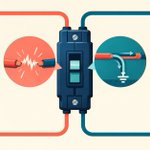
ALT Illustration contrasts a ground-leak path from a circuit with a small electrical arc at damaged wiring beside a breaker.

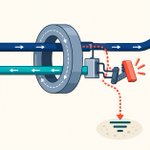
ALT A cutaway GFCI diagram shows blue and teal current paths passing through a circular sensor; a small red dotted path branches toward ground.

ALT An underwater turbine sits on the seafloor with bidirectional arrows showing tidal flow and a cable running toward shore.

ALT Wind and hydro power sources connect through a branching transmission network to homes.

ALT A transformer with copper coils on each side of an iron core connects to transmission lines.

ALT Two reservoirs at different heights connect through a turbine and pipe, with arrows showing water moving downhill and uphill.

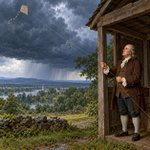
ALT Benjamin Franklin flies a kite from beneath a small shelter as a storm brews in the distance.

ALT A tiny nucleus is shown at the center of a large spherical atom outline beside a stadium for scale.

ALT Microwave waves reflect inside an oven and heat food in a bowl.

ALT Two parallel capacitor plates hold opposite charges, with a small circuit symbol beside them.

ALT A crystal between two plates is compressed; a small electrical signal travels to a meter.

ALT A house cutaway shows an outdoor heat-pump unit and arrows moving heat into a warm room.

ALT Sound waves from a speaker enter a microphone; a waveform travels along its cable to a small recorder.

ALT A cutaway shows heated underground rock, a fluid loop rising to a turbine-generator at the surface, and a return well.

ALT A microwave oven sits beside a prism that splits a beam of white light into a rainbow.

ALT A vehicle cutaway shows an illuminated wheel connected to an electric motor and a battery, with arrows flowing toward the battery.

ALT A metal pan sits above an induction coil. Curved field lines rise from the coil, and current loops glow inside the pan.
