Multidisciplinary Author & Independent Researcher
Canada • Japan • Taiwan
Joined May 2025
- Tweets6.7K
- Following3K
- Followers3.2K
- Likes24.3K


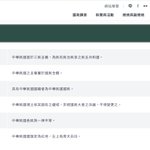

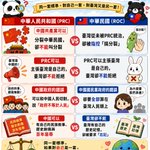



2024年,美國德國馬歇爾基金會(German Marshall Fund)發表 Jacques deLisle 與 Bonnie S. Glaser 的研究,分析北京如何利用第2758號決議影響聯合國對臺灣的處理方式。
其中記錄:
2010年10月27日,聯合國法律事務廳(Office of Legal Affairs)發出法律備忘錄,稱聯合國將臺灣視為中國的一個省,秘書處文件採用「Taiwan, Province of China」。
該備忘錄的背景,是中國反對當時與臺灣有邦交的諾魯,在提交聯合國的國家報告中使用「Republic of China (Taiwan)」。
但同一份備忘錄也指出,聯合國原則上不應擅自改動會員國提交文件的用語,因為這會干預會員國的官方立場。
這正好暴露出制度矛盾。
一方面,秘書處聲稱遵循聯合國既有決定;另一方面,它採用的臺灣地位表述,卻超出了第2758號決議明文處理的中國代表權問題。
而北京又引用秘書處的法律意見,支持自己的主權主張。2025年中國外交部的正式立場文件,就延續了這種論證。

After the Republic of China Lost China's UN Representation in 1971, What Law Prevents It from Joining Again?
On October 25, 1971, the United Nations General Assembly debated the question of China's representation. Before the vote on Resolution 2758, the delegation of the Republic of China (ROC) announced its withdrawal from the General Assembly. The resolution was subsequently adopted by 76 votes in favor, 35 against, and 17 abstentions.
From that day onward, the Government of the People's Republic of China (PRC) represented China at the United Nations, while the Government of the Republic of China no longer did so.
Fifty-five years later, three legal questions deserve renewed examination.
First, did the ROC delegation's announcement of withdrawal in 1971 mean that the Republic of China, as a state, had formally withdrawn from the United Nations?
The delegation's departure is a matter of historical record. But the withdrawal of a delegation, the loss of a government's authority to represent a Member State, and the formal withdrawal of a Member State from the United Nations are not legally identical events.
Article 6 of the United Nations Charter provides that a Member State which has persistently violated the principles contained in the Charter may be expelled from the Organization by the General Assembly upon the recommendation of the Security Council.
Resolution 2758, however, was not an expulsion decision adopted under Article 6. It referred to the “representatives of Chiang Kai-shek,” rather than declaring that the Republic of China, as a state, was being expelled under Article 6.
The United Nations' current official records treat China as a continuing original Member State. They record that China was represented by the Government of the Republic of China until October 25, 1971, and by the Government of the People's Republic of China thereafter. Under this institutional approach, a change in representation would not necessarily require a separate decision expelling a Member State.
On what legal principles and formal decisions, then, does the United Nations base its treatment of the 1971 change in China's representation as one that did not interrupt the membership of the original Member State? And how was the statehood claimed by the Republic of China addressed after its government lost the right to represent China?
Second, which provision of the United Nations Charter permanently prohibits the Republic of China from applying for UN membership again?
Article 4 of the United Nations Charter provides that membership is open to peace-loving states that meet the conditions specified in the Charter. Admission requires a recommendation from the Security Council followed by a decision of the General Assembly.
No provision of the Charter states that a state represented by a government that has lost the right to represent a Member State is thereafter permanently barred from applying for membership.
Of course, the absence of an express prohibition does not mean that the United Nations has already determined that the Republic of China qualifies for admission as a separate state. Whether an application may be submitted, whether the applicant satisfies the requirements of statehood, and whether it ultimately secures a Security Council recommendation and General Assembly approval are separate legal and procedural questions.
The People's Republic of China is a permanent member of the Security Council and holds veto power. Consequently, any attempt by the Republic of China to seek UN membership as a state distinct from the People's Republic of China would face substantial political and institutional obstacles.
But political obstacles should not be presented as an express prohibition under the United Nations Charter.
If someone maintains that the Republic of China is permanently barred by law from joining the United Nations, which specific legal provision establishes that prohibition? And if the Republic of China submitted an application for membership, what legal conditions and procedures would govern its consideration?
Third, did Resolution 2758 declare that the Republic of China had ceased to exist, or determine that it was no longer a state?
Consider the actual text of Resolution 2758, adopted on October 25, 1971.
The resolution uses language restoring all the rights of the People's Republic of China at the United Nations, recognizes the representatives of its government as the only lawful representatives of China to the Organization, and decides to expel the representatives of Chiang Kai-shek from the seats they occupied.
Nowhere does the resolution declare that the Republic of China has ceased to exist. Nor does it expressly determine that the Republic of China no longer possesses statehood or that territorial sovereignty over Taiwan belongs to the People's Republic of China.
The absence of these determinations does not mean that the resolution recognized the Republic of China as another independent state. Equally, legal conclusions that do not appear in the resolution cannot simply be presented as determinations expressly made by the United Nations.
In 1971, the United Nations addressed the question of China's representation. Whether the Republic of China continues to possess statehood, whether it could apply for UN membership as a separate state, and the legal status of territorial sovereignty over Taiwan are distinct questions, each requiring its own legal basis.
Anyone claiming that Resolution 2758 settled all these questions should identify the specific language of the resolution and explain the legal consequences attributed to it, rather than treating subsequent political interpretations as though they were part of the resolution's original text.
The Government of the Republic of China continues to exist and exercises effective governmental authority in Taiwan. That is an observable reality. Its status as a state under international law, and its legal relationship with the People's Republic of China, cannot be conclusively determined from the text of Resolution 2758 alone.
The United Nations has the authority to decide who represents China within the Organization. But the legal consequences of that decision should be explained by reference to the United Nations Charter, the resolution itself, and the Organization's official institutional records.
This leaves three questions requiring answers.
Did the ROC delegation's departure from the General Assembly in 1971 involve a formal legal decision terminating a separate membership of the Republic of China? Or did the United Nations treat the matter throughout as a change in government representation of the same original Member State?
If the Republic of China sought UN membership today as a separate state, what legal conditions and procedures would govern consideration of its application?
If Resolution 2758 neither declared the Republic of China extinct nor expressly determined that it lacked statehood, has the United Nations adopted any other formal decision addressing these questions? If so, what are the relevant documents, which organ made the decision, and what was its legal basis?
Each of these questions should have an identifiable legal basis.
History cannot be judged solely by political outcomes. Nor can the law be reduced to the question of who occupies a seat at the United Nations.
Resolution 2758 determined the arrangements for China's representation at the United Nations. That decision alone cannot substitute for proof concerning other legal questions that the resolution did not expressly address.
Official United Nations Sources
Charter of the United Nations, Chapter II, Articles 3–6
un.org/en/about-us/un-charte…
United Nations General Assembly Resolution 2758 (XXVI), October 25, 1971
digitallibrary.un.org/record…
United Nations Research Guide: The Question of China's Representation in 1971
ask.un.org/faq/320138
United Nations Treaty Collection: Historical Information on China
treaties.un.org/pages/histor…
United Nations General Assembly, 1976th Plenary Meeting, Official Record
docs.un.org/en/A/PV.1976
#UnitedNations #UNResolution2758 #RepublicOfChina #Taiwan #InternationalLaw #ChinaRepresentation

1971年中華民國失去中國代表權後,究竟哪一條法律禁止它再次加入聯合國?
1971年10月25日,聯合國大會討論中國代表權問題。當天,中華民國代表團在第2758號決議表決前宣布退出聯合國大會。隨後,聯合國大會以76票贊成、35票反對、17票棄權,通過第2758號決議。
從那一天開始,中華人民共和國政府取得中國在聯合國的代表權,中華民國政府不再代表中國參與聯合國。
五十五年過去了,有三個法律問題值得重新檢視。
第一,中華民國代表團在1971年自行宣布退出,是否等於中華民國這個國家已經正式退出聯合國?
代表團離開會場,是可以確認的歷史事實。但代表團退出、政府失去代表權,以及會員國正式退出聯合國,在法律上並不是完全相同的事情。
《聯合國憲章》第六條規定,會員國若持續違反憲章原則,可以經安全理事會建議,由聯合國大會將其除名。
然而,第2758號決議並不是依照第六條作出的會員國除名決議。決議使用的是「蔣介石的代表」,而不是宣布將「中華民國」這個國家依照第六條除名。
聯合國現行官方紀錄將中國視為持續存在的原始會員國,並記載1971年10月25日以前由中華民國政府代表中國,此後改由中華人民共和國政府代表中國。在這種制度處理方式下,代表權變更未必需要另一項會員國除名決議。
那麼,聯合國究竟依據哪些法律原則與正式決定,認定1971年的中國代表權變更不涉及原始會員國資格的中斷?中華民國政府在失去中國代表權之後,其所主張的國家法律地位又如何處理?
第二,《聯合國憲章》究竟哪一條規定,中華民國永遠不能再次申請加入聯合國?
《聯合國憲章》第四條規定,會員資格向符合條件的愛好和平國家開放。新會員的加入,需要安全理事會推薦,再由聯合國大會決定。
憲章沒有任何條文規定,曾經失去代表權的政府所主張代表的國家,從此永遠不得提出會員資格申請。
當然,憲章沒有明文禁止申請,並不代表中華民國已經被聯合國認定符合以另一個國家身分加入的資格。能否提出申請、是否符合國家資格,以及最終能否獲得安全理事會推薦與聯合國大會批准,是不同的法律與程序問題。
中華人民共和國是安全理事會常任理事國,擁有否決權。這使中華民國若以獨立於中華人民共和國的國家身分尋求加入聯合國,面臨重大的政治與制度障礙。
但政治上的阻礙,不能直接說成《聯合國憲章》明文禁止。
如果有人主張中華民國依法永遠不得加入聯合國,請問具體法律依據是哪一條?如果中華民國提出會員資格申請,聯合國又應依據哪些法律條件與程序審查?
第三,第2758號決議究竟有沒有宣布中華民國滅亡,或者裁定中華民國不再是一個國家?
請直接閱讀1971年10月25日通過的第2758號決議。
決議使用恢復中華人民共和國在聯合國一切權利的文字,承認中華人民共和國政府的代表是中國在聯合國的唯一合法代表,並決定將蔣介石的代表逐出其所占有的席位。
決議全文沒有宣布中華民國滅亡,沒有明文裁定中華民國不再具有國家資格,也沒有裁定臺灣領土主權歸屬中華人民共和國。
決議沒有作出這些裁定,並不等於它已經承認中華民國是另一個獨立國家。但同樣不能反過來,將決議沒有寫出的法律結論,當成聯合國已經明文作出的決定。
1971年聯合國處理的是中國代表權問題。中華民國是否仍具有國家資格、能否以另一個國家身分申請加入聯合國,以及臺灣領土主權的法律歸屬,都需要各自的法律依據。
如果主張第2758號決議已經解決所有這些問題,就應該指出決議中的具體文字,並說明相關法律效果,而不是將後來的政治解釋當成1971年決議的原文。
中華民國政府至今仍然存在,並持續在臺灣行使實際治理權。這是可以觀察的現實。至於其國際法上的國家地位,以及與中華人民共和國之間的法律關係,則不能僅憑第2758號決議的文字得出完整結論。
聯合國有權決定由誰代表中國,但這項代表權決定究竟產生了哪些法律效果,仍應根據《聯合國憲章》、決議原文與正式制度紀錄加以說明。
因此,真正需要回答的是:
1971年中華民國代表團離開聯合國大會,是否存在一項正式終止中華民國獨立會員資格的法律決定?或者聯合國從始至終都將此事視為同一個原始會員國的政府代表權變更?
如果中華民國今天以另一個國家身分尋求會員資格,聯合國究竟依據哪些法律條件與程序審查其申請?
如果第2758號決議沒有宣布中華民國滅亡,也沒有明文裁定其不具有國家資格,聯合國是否另有正式決定處理這些問題?如果有,相關文件、決定機關及法律依據是什麼?
這三個問題,都應該有可以查證的法律依據。
歷史不能只看政治結果,法律也不能只看誰掌握了聯合國的席位。
第2758號決議決定了中國在聯合國的代表權安排,但這項決定本身,不能代替對決議未明文處理的其他法律問題的證明。
聯合國官方資料
《聯合國憲章》第二章,第三至第六條
un.org/en/about-us/un-charte…
聯合國大會第2758號決議(1971年10月25日)
digitallibrary.un.org/record…
聯合國1971年中國代表權問題官方資料
ask.un.org/faq/320138
聯合國條約資料庫:中國的歷史紀錄
treaties.un.org/pages/histor…
聯合國大會第1976次全體會議紀錄
docs.un.org/en/A/PV.1976
#聯合國 #第2758號決議 #中華民國 #臺灣 #國際法 #中國代表權 #UNResolution2758 #UnitedNations #Taiwan
In 1945, the Government of the Republic of China signed and ratified the United Nations Charter on behalf of China.
In 1949, the People's Republic of China was established.
In 1971, the UN General Assembly adopted Resolution 2758, recognizing the representatives of the Government of the People's Republic of China as the only legitimate representatives of China at the United Nations.
Yet today, the UN membership directory lists “China (the People's Republic of)” with an admission date of October 24, 1945.
This raises a question worth examining:
On what legal basis does the United Nations treat the original Member State “China” in 1945 and “China,” represented by the Government of the People's Republic of China since 1971, as the same continuing international legal person?
UN membership, government representation, and territorial sovereignty are distinct legal questions.
What exactly did Resolution 2758 decide? And which legal documents, principles, or institutional practices explain the continuity of China's UN membership?
Drawing on official UN historical records, the UN Charter, and Resolution 2758, I have published a formal inquiry examining these questions.
I welcome readers to examine the evidence and share their views, particularly where they can point to relevant historical documents or legal authorities.
Who Was the Original UN Member “China”? The Legal Question Behind Resolution 2758
nitter.gq/FalianWanlin/status/21…
@realDonaldTrump @WhiteHouse
#UNResolution2758 #UnitedNations #InternationalLaw

1945年,代表中國簽署並批准《聯合國憲章》的,是中華民國政府。
1949年,中華人民共和國成立。
1971年,聯合國大會通過第2758號決議,承認中華人民共和國政府的代表為中國在聯合國的唯一合法代表。
然而,今天聯合國的會員國名錄,卻將「中國(中華人民共和國)」的入會日期列為1945年10月24日。
這就產生了一個值得釐清的法律問題:
1945年的創始會員國「中國」,與1971年以來由中華人民共和國政府代表的「中國」,究竟依據什麼法律原則,被認定為同一個持續存在的國際法律人格?
聯合國會員資格、政府代表權與領土主權,是不同的法律問題。
第2758號決議究竟決定了什麼?聯合國又是依據哪些法律文件、法律原則與制度實踐,處理中國會員資格的連續性?
我整理了聯合國官方歷史紀錄、《聯合國憲章》及第2758號決議,提出一份公開法律詢問。
歡迎閱讀,也歡迎提出有文獻依據的不同見解。
《誰才是聯合國創始會員國「中國」?第2758號決議背後的法律問題》
nitter.gq/FalianWanlin/status/21…
#UNResolution2758 #UnitedNations #InternationalLaw
國民黨說共產黨有多壞,共產黨說國民黨有多壞,那麼人民究竟經歷了什麼?
最近與中國網友討論國共內戰,發現一個讓人感慨的現象。
中國大陸的網友經常告訴我,當年的中國國民黨如何圍剿共產黨、鎮壓革命,蔣介石如何腐敗、獨裁,甚至在日本侵略中國時,仍然堅持剿共。
可是我從小聽一些外省朋友談起當年在中國大陸的往事,聽到的卻是另一套故事。
他們說共產黨如何清算地主、進行政治鬥爭,如何讓許多家庭失去財產、親人,甚至被迫逃離故鄉。
兩邊都有說不完的苦難,也都有對另一方的憤怒。
聽得越多,越讓人想問:如果雙方所說的迫害都有歷史根據,那麼當年的中國人民究竟承受了多少苦難?
1927年國共決裂,國民黨展開清共,共產黨則發動武裝革命。雙方從政治合作走向軍事對抗。
1931年日本侵占中國東北,1934年紅軍開始長征,1937年中日全面戰爭爆發。國共雖然再次合作抗日,彼此的政治與軍事矛盾卻始終存在。
1945年,日本終於投降。中國人民經歷多年戰爭,好不容易盼到和平,國共卻又陷入全面內戰。
1949年,中華人民共和國成立,中華民國政府撤退至臺灣。
對中國大陸的人民而言,戰爭之後還有土地改革、鎮壓反革命、反右運動、大躍進與文化大革命等重大政治與社會變動,其中多次運動造成大量人民遭受迫害、失去自由甚至生命。
而對臺灣人而言,災難早在1949年以前就已經開始。
1895年,清朝透過《馬關條約》將臺灣割讓給日本,臺灣人民沒有參與決定的權利。
1945年日本戰敗,中華民國政府奉盟軍安排接收臺灣。許多臺灣人原本期待戰爭結束後能夠迎來更好的生活,卻面對行政失當、官員貪腐、軍紀敗壞、經濟失序、物價飛漲與政治上的差別待遇。
1947年二二八事件爆發。
臺灣人民對政府施政的不滿,在查緝私菸引發的流血事件後迅速擴大。各地民眾與地方人士提出改革要求,國民政府卻派遣軍隊來臺鎮壓,隨後展開清鄉,造成大量人民死亡、失蹤、遭逮捕與迫害。
1949年,中國國民黨政府在國共內戰中失去中國大陸的統治權,撤退至臺灣,卻繼續以中華民國政府的名義統治臺灣。
臺灣隨後經歷長達38年的戒嚴。
在白色恐怖時期,政府以反共、肅清匪諜及維護政權安全為理由,監控社會、限制言論、禁止組織反對黨,許多人因政治思想、言論、閱讀、結社或遭人檢舉而被逮捕、監禁,甚至處決。
受害者包括臺灣本省人、外省人、原住民族人士、民主運動者、左翼人士,以及主張臺灣獨立的人。
有人只是希望政府改革,有人要求民主與自由,有人被懷疑與共產黨有關,也有人根本沒有參與任何政治活動。
他們卻可能因此失去自由、家庭與生命。
這些臺灣人沒有參與1927年的國共決裂,也沒有決定1934年的長征,更沒有權力決定1945年後國共兩黨是否繼續內戰。
為什麼他們也必須承受這場權力鬥爭的後果?
回頭看這段歷史,會發現一個令人難以理解的現象。
中國國民黨指責共產黨迫害人民,中國共產黨指責國民黨鎮壓人民。
可是兩個政黨在不同時期掌握政權後,都留下了以國家權力迫害人民的歷史紀錄。
他們都曾經宣稱自己是在救國、救民,為人民爭取更好的未來。
那麼那些被逮捕、被處決、失去財產、失去家園、被迫與親人分離的人,又是為了誰而犧牲?
如果一個政黨可以用國家安全的名義剝奪人民的自由,可以用革命的名義清算人民,也可以用維護政權的理由消滅反對者,那麼人民究竟是國家的主人,還是掌權者爭奪天下時可以犧牲的代價?
我是一個臺灣人。
中國網友告訴我國民黨當年做過多少壞事,外省朋友告訴我共產黨當年做過多少壞事,而臺灣自己的歷史,也記錄了國民黨來臺後對臺灣人民造成的傷害。
這些歷史放在一起,讓人很難只從某一個政黨的立場去理解整個時代。
更值得思考的是,為什麼政治人物爭奪權力所造成的傷害,最後總是由普通人民承受?
今天國共兩黨的政治人物可以見面、握手、交流、和好,甚至談合作。
可是當年那些被殺害的人已經無法回來。那些失去父母的孩子、失去子女的家庭,以及被迫離開故鄉的人,他們的人生也無法重新開始。
中國的朋友們,當你們談起國民黨如何迫害共產黨時,有沒有想過國民黨後來在臺灣做過什麼?
而當有人談起共產黨如何迫害人民時,你們是否願意聽聽那些家庭留下的記憶?
如果兩個政黨都曾經以人民的名義爭奪政權,為什麼人民反而一次又一次成為政治鬥爭的犧牲者?
國共內戰是中國兩個政黨之間的歷史衝突。臺灣人已經為這段歷史付出了沉重代價。
如今中國國民黨與中國共產黨之間的恩怨可以談和解,為什麼臺灣人還要繼續生活在戰爭威脅之下?
難道過去幾代人的苦難,還不足以讓今天的人明白,戰爭與政治鬥爭究竟會給普通人民帶來什麼後果?
更令人難以理解的是,人類經歷了這麼多戰爭、殺戮與迫害,為什麼今天仍然有人可以如此輕易地談論戰爭?
有些人在網路上談起轟炸、消滅敵人、武力統一,彷彿戰爭只是一場遊戲,只要打贏了,就可以重新開始生活。
可是現實中的生命,哪有重新開始的機會?
遊戲中的人物死了,可以重新再玩。現實中的人死了,卻永遠無法回到家人身邊。
一場戰爭結束,勝利者可以慶祝,政治人物可以宣稱自己完成了歷史使命。可是那些失去孩子的父母、失去伴侶的夫妻、失去家園的家庭,又該如何繼續生活?
為什麼有些人談論殺人時,可以如此輕描淡寫?
是因為沒有經歷過戰爭,所以不知道戰爭有多殘酷?還是因為從小接受的教育,讓人只記得國家與民族的勝利,卻忘記每一個被殺害的人,原本也有自己的人生?
為什麼人類總是有辦法替戰爭找到理由,卻很少認真思考如何避免戰爭?
人類已經有能力建造城市、發展科技、治療疾病、探索宇宙,也有能力讓更多人過上安定、富足而有尊嚴的生活。
既然如此,為什麼還要把那麼多智慧、資源與生命投入互相殘殺?
為什麼沒有人想要看到美好的人間呢?
難道和平、自由、尊重、尊嚴,以及每個人都有機會幸福地生活,會比征服別人的土地、消滅自己的敵人更難讓人感到驕傲嗎?
中國的朋友們,當你們回顧國共內戰,看到兩個政黨曾經如何互相殘殺,又如何在掌權後迫害人民,是否也會想一想,這些歷史究竟應該教會我們什麼?
如果過去的政治恩怨已經讓無數家庭付出代價,為什麼今天還要有人主張用另一場戰爭來解決問題?
臺灣人有自己的歷史、家庭與生活,也有追求和平與幸福的權利。
歷史不能改寫,但未來還有選擇。
難道我們還要讓下一代,繼續承受上一代沒有解決的政治恩怨?
難道人類就不能選擇共同創造一個美好的人間嗎?
#臺灣歷史 #國共內戰 #二二八事件 #白色恐怖 #歷史真相 #政治迫害 #臺海和平 #反戰 #人權 #PeaceForTaiwan #TaiwanHistory #HumanRights #StopWar

世界各國為什麼不能自由選擇與中華民國建交?國際法真的禁止嗎?
1949年,中華人民共和國在中國大陸建立政權,中華民國政府遷至臺灣,形成兩岸分治。
1971年,聯合國大會通過第2758號決議,中華人民共和國取得中國在聯合國的代表權,中華民國政府的代表則被排除在聯合國之外。
如今,中華人民共和國已經取得中國在聯合國的代表權,也實際統治中國大陸。
那麼問題來了:
為什麼世界各國不能自由選擇是否與中華民國建立正式外交關係?
一、聯合國第2758號決議究竟決定了什麼?
1971年10月25日,聯合國大會通過第2758號決議,承認中華人民共和國政府的代表是中國在聯合國的唯一合法代表,並將蔣介石的代表逐出聯合國及其相關組織。
但決議全文並沒有明文宣布中華民國滅亡,也沒有裁定臺灣主權歸屬,更沒有規定世界各國不得與中華民國建立外交關係。
聯合國代表權、國家主體資格、領土主權與雙邊外交承認,是不同的法律問題。
中華人民共和國取得中國在聯合國的代表權,究竟依據哪一項國際法規則,就能使中華民國自動喪失國家主體資格?
如果存在這樣的法律依據,具體條文在哪裡?
二、承認中華人民共和國政府,是否等於承認臺灣屬於中華人民共和國?
1970年10月13日,中華人民共和國與加拿大建立外交關係。
《中加建交聯合公報》明確記載:
「中國政府重申:臺灣是中華人民共和國領土不可分割的一部分。加拿大政府注意到中國政府的這一立場。」
同一份公報又寫道:
「加拿大政府承認中華人民共和國政府為中國的唯一合法政府。」
請注意,這是兩個不同的表述。
加拿大承認中華人民共和國政府是中國的唯一合法政府,但對北京主張臺灣屬於中華人民共和國,加拿大只是表示「注意到」。
加拿大政府後來也明確說明,其一個中國政策並未贊同或否定北京對臺灣的主權主張。
既然如此,為什麼有人把世界各國承認中華人民共和國政府,直接解釋成世界各國都已經承認臺灣屬於中華人民共和國?
三、世界各國的一個中國政策,真的完全相同嗎?
中華人民共和國主張「一個中國原則」,要求與其建交的國家不得同時與中華民國維持正式外交關係。
但各國建交公報對臺灣問題的措辭並不完全相同。
有些國家承認北京政府代表中國,卻沒有明文承認北京對臺灣擁有主權。
有些國家則採取不同的外交表述。
既然各國的外交承認與對臺灣主權問題的立場並不完全一致,為什麼要把所有國家的外交政策都解釋成同一個意思?
四、中華民國究竟是否已經不存在?
1949年,中華民國政府失去中國大陸的統治權,但並沒有停止運作。
直到今天,中華民國政府仍實際治理臺灣、澎湖、金門、馬祖,並持續行使行政、立法、司法及軍事權力。
此外,仍有國家與中華民國維持正式外交關係。
如果主張中華民國已經滅亡,或者已經完全喪失國家主體資格,請問具體的國際法依據是什麼?
如果主張中華民國只是流亡政府,又該如何解釋它持續在實際管轄的領土內行使政府權力?
當然,實際治理並不等於所有國家都承認其國家地位。但不被普遍承認,是否就能直接推導出國家已經滅亡?
五、世界各國不與中華民國建交,究竟是法律禁止,還是外交選擇?
目前仍有12個國家與中華民國維持正式外交關係。
這至少說明,與中華民國建交並不是一件在國際外交實務中完全不存在的事情。
其他國家選擇與中華人民共和國維持正式邦交,有其外交政策、國際關係與政治利益的考量。
北京也明確反對其他國家同時與中華民國建立正式外交關係。
但北京的外交要求,與國際法是否普遍禁止各國承認中華民國,是兩個不同的問題。
如果聯合國第2758號決議沒有明文禁止,如果世界各國對臺灣主權問題的法律立場也不完全相同,那麼究竟是哪一項國際法規則,禁止其他國家自行決定是否與中華民國建交?
中華人民共和國已經代表中國在聯合國行使權利,也實際統治中國大陸。
為什麼中華民國與其他國家建立外交關係,仍然是北京極力反對的事情?
北京政府到底在怕什麼?
這究竟是國際法上的必然結果,還是各國在現實外交壓力與政治利益之間作出的選擇?
如果有人主張世界各國依法不得與中華民國建交,請提出具體的國際條約、聯合國決議或其他法律依據。
外交政策可以不同,政治立場可以不同,但歷史事實與國際法的法律效果,應該能夠接受公開檢驗。
#中華民國 #臺灣 #聯合國2758號決議 #國際法 #外交承認 #TaiwanHistory
中華人民共和國已經取得中國在聯合國的代表權,也實際統治中國大陸。
既然如此,為什麼北京政府仍然極力反對其他國家與中華民國建立正式外交關係?
如果聯合國第2758號決議沒有明文禁止各國與中華民國建交,那麼北京反對的法律依據究竟是什麼?
北京政府到底在怕什麼?
清朝戰敗割讓臺灣,為什麼今天挨罵的反而是臺灣人?
中國歷史上曾多次受到外族征服與統治,蒙古人建立元朝,滿洲人建立清朝,如今都被納入中國歷史。
1895年,清朝戰敗,簽訂《馬關條約》,將臺灣割讓日本。臺灣因此經歷了50年的日本殖民統治。臺灣人被大清出賣,還承受了50年的殖民歷史。
既然中國人可以承認元朝、清朝的歷史,也可以討論這些王朝的建設與貢獻,為什麼臺灣人談論日本統治時期的歷史,甚至肯定其中某些建設,就要遭到辱罵?
清朝戰敗割讓臺灣,日本實施殖民統治,究竟哪一項是由臺灣人民造成的?
承認歷史不等於支持殖民,討論歷史也不等於背叛民族。
為什麼連臺灣人陳述自己歷史的權利,都有人不能接受?
為什麼有人雙標得這麼嚴重呢?
#臺灣歷史 #馬關條約 #歷史真相 #TaiwanHistory
🤖 Made with AI

到底還有多少人沒有看懂臺灣與中國的問題出在哪裡?
1949年,中華人民共和國成立,開始統治中國大陸,中華民國政府遷至臺灣,兩岸從此分治。
1971年,聯合國通過第2758號決議,中華人民共和國政府取得中國在聯合國的代表權,中華民國政府失去這項資格。
從此,中華人民共和國在聯合國代表中國,中華民國則繼續實際治理臺灣。
問題來了:
既然中華人民共和國已經取得中國的代表權,為什麼還要反對其他國家與中華民國建立正式外交關係?
中華民國即使保留對中國大陸的領土主張,也不可能僅憑歷史主張或其他國家的外交承認,就重新取得中國大陸的統治權。
同樣的道理,中華人民共和國取得中國在聯合國的代表權,也不代表能夠自動取得臺灣的主權與統治權。
第2758號決議究竟哪一條寫著臺灣主權歸屬中華人民共和國?
有人可能會說,1971年的聯合國決議沒有宣布兩個國家正式分離,中華民國也沒有在當年正式放棄對中國大陸的領土主張。
但這又如何?
1949年,兩岸已經實際分治。1971年,聯合國又完成了中國代表權的轉移。
其他國家即使與中華民國建交,也不會因此自動撤銷第2758號決議,不會讓中華民國恢復中國在聯合國的席位,更不會讓中華人民共和國失去對中國大陸的統治權。
既然如此,中華人民共和國究竟在顧慮什麼?
承認中華人民共和國政府是中國的唯一合法政府,與承認臺灣屬於中華人民共和國,是兩個不同的問題。
與中華民國建交,也不等於將中國大陸的代表權交還中華民國。
北京反對的,究竟是中國代表權受到威脅,還是忌妒其他國家承認中華民國具有獨立的外交地位?
既然中國在聯合國的代表權早已確定,為什麼其他國家不能與實際治理臺灣的中華民國建立外交關係?
真的很想問: 其他國家跟台灣建交,北京究竟在怕什麼?
#Taiwan #China #UN2758 #TaiwanHistory