

💊 Pharmacist turned builder | https://xitter.cf/t.co/8Lg11v0l4w: screen recorder, no subscriptions | https://xitter.cf/t.co/tjzxUiJWiQ: vetted remote talent from $12/hr
Joined December 2017
- Tweets28.3K
- Following4.4K
- Followers5.6K
- Likes15.6K





A product doesn't earn loyalty just by working.
It earns loyalty when it keeps working, handles mistakes gracefully, and doesn't make you regret trusting it with your time.
Reliability is a feature, too.
Hiring remotely shouldn't mean lowering your standards
or spending all week interviewing people.
ZenStack helps growing teams find dedicated remote
talent for roles like SDRs, appointment setters, and
social media managers, so founders can spend less
time searching and more time building.
the small ones keep their cost hidden. each day of putting it off feels free, so nobody adds up the total until the setup is finally done.
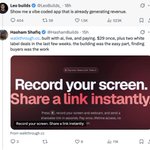
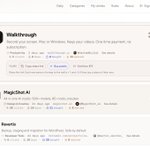
walkthrough.cc: a screen recorder with no subscription. $29 once, and recordings save straight to your own google drive.

Because the companies that send the codes care more about not getting blamed for a hack than they do about your time. Security theater still wins.
Irritation stops the scroll. Meaning usually doesn’t. That’s why the annoying ones get more attention.
Most of those connections only exist when both people are online. The coffee kind needs someone willing to leave the house.
Plain HTML + Tailwind. For a landing page you usually don’t need a full framework, and AI tends to keep it simpler when you don’t ask for one.
Followers measure attention. Trust is what happens when someone is willing to risk their own name by recommending you. Those are different numbers.
Not really. They’re better at specific tasks and faster at pattern matching, but they still don’t understand the world the way people do. Most of the “smarter” talk is just marketing.
Most founders keep adding features while the customer is still waiting for the original problem to actually go away.
Most founders say yes until they have to pull out their own card. That’s usually when the real answer shows up.
A lot of people skip the call because they’re scared of the silence. Then they spend a week building something just to get the same silence later.
Ideas and ambition are free. The hard part is keeping the determination when the resources still aren’t there.
The 10 paying ones. Signups feel good. Customers tell you whether the channel is actually worth keeping.
Most people optimize for the first launch. The ones who last optimize for how painful the second version is going to be.
Waiting for ready is usually just waiting for the fear to go away. It doesn’t. You start anyway and the fear comes with you.