

Provider of HD-mapless AI-based autonomous mobility solutions that improve public transportation #AI #selfdriving #autonomousvehicles
San Jose, CA, USA; Israel
Joined May 2013
- Tweets755
- Following272
- Followers363
- Likes262






*English version follows Japanese
【自動運転バスは、日本の公共交通の課題にどうアプローチするか】
日本のモビリティメディア「LIGARE」のインタビューで、Imagry日本統括でカスタマーサクセスマネージャーのYusuke Kobuneが、当社の自動運転バス事業と日本市場へのアプローチについてお話ししました。
運転手不足、路線の廃止や減便などの課題を通し、なぜ日本が弊社にとって重要な市場であるのか。また、HDマップに頼らずカメラで走るImagryの技術が、既存の交通環境にどう対応するのか。そして、消費者の快適な交通手段を減らさないために、なぜ大型バスへの対応が重要なのか。インタビューではお話ししています。
日本の交通法規や左側通行への対応など、実証プロジェクトの進捗に加え、将来的な長期目標である自動運転バスの全国展開についても紹介しています。
地域社会にとって不可欠な路線バスサービスをどのように維持していくか模索する中で、Imagryの自動運転バスは、事業者が安定したサービスを維持し、地域を支える解決策になり得るでしょう。
📖 インタビュー全文はこちら
eu1.hubs.ly/H0zsdJL0
🚌 𝐇𝐨𝐰 𝐜𝐚𝐧 𝐚𝐮𝐭𝐨𝐧𝐨𝐦𝐨𝐮𝐬 𝐛𝐮𝐬𝐞𝐬 𝐡𝐞𝐥𝐩 𝐚𝐝𝐝𝐫𝐞𝐬𝐬 𝐉𝐚𝐩𝐚𝐧’𝐬 𝐩𝐮𝐛𝐥𝐢𝐜 𝐭𝐫𝐚𝐧𝐬𝐩𝐨𝐫𝐭𝐚𝐭𝐢𝐨𝐧 𝐜𝐡𝐚𝐥𝐥𝐞𝐧𝐠𝐞𝐬?
In a recent interview with Japanese mobility publication LIGARE, Imagry’s Customer Success Manager in Japan, Yusuke Kobune, discusses our approach to autonomous bus driving and our plans for the Japanese market.
From driver shortages to route closures and reduced service frequency, the conversation explores why Japan is a key market for autonomous public transportation. Yusuke explains how Imagry’s camera-based, HD-mapless technology responds to real-world traffic conditions, and why supporting full-sized buses matters for maintaining passenger capacity.
He also shares progress on our pilot project, including preparations for Japanese traffic regulations and left-hand traffic, alongside our longer-term goal of building a scalable autonomous bus platform for deployment across Japan.
As communities look for ways to preserve essential bus services, autonomous driving has the potential to help operators maintain reliable transportation and support regions facing growing mobility challenges.
📖 Read the full interview:
eu1.hubs.ly/H0zsdJL0
#Imagry #AutonomousBuses #AutonomousDriving #PublicTransport #SmartMobility #Japan

🏆𝐅𝐫𝐨𝐬𝐭 & 𝐒𝐮𝐥𝐥𝐢𝐯𝐚𝐧 𝐀𝐰𝐚𝐫𝐝𝐬 𝐈𝐦𝐚𝐠𝐫𝐲 𝐰𝐢𝐭𝐡 𝐄𝐧𝐚𝐛𝐥𝐢𝐧𝐠 𝐓𝐞𝐜𝐡𝐧𝐨𝐥𝐨𝐠𝐲 𝐋𝐞𝐚𝐝𝐞𝐫𝐬𝐡𝐢𝐩 𝐑𝐞𝐜𝐨𝐠𝐧𝐢𝐭𝐢𝐨𝐧 𝐢𝐧 𝐭𝐡𝐞 𝐆𝐥𝐨𝐛𝐚𝐥 𝐀𝐮𝐭𝐨𝐧𝐨𝐦𝐨𝐮𝐬 𝐁𝐮𝐬 𝐈𝐧𝐝𝐮𝐬𝐭𝐫𝐲 𝐟𝐨𝐫 𝟐𝟎𝟐𝟔
We’re proud to announce that Frost & Sullivan has named Imagry’s HD mapless, camera-based autonomous driving technology a recipient of their 2026 Best Practices award.
This marks our third Frost & Sullivan Best Practices Recognition, following our 2023 Enabling Technology Leadership Award and 2025 Global Customer Value Leadership Award.
In its report supporting the award, Frost & Sullivan highlights how Imagry helps public transport operators expand services amid driver shortages. They noted that our software supports sedans, vans, and buses on a single platform, allowing vehicle choices to reflect each market’s needs. By eliminating the need for LiDAR and pre-built HD maps, Imagry's approach also enables faster, more cost-effective deployment.
Our CEO, Eran Ofir, states: “Self-driving technology delivers the greatest public benefit when it moves large numbers of people, and that means buses.”
This recognition validates the path we’ve chosen and strengthens our commitment to improving public transportation worldwide with our autonomous solutions.
🔗 Read Frost & Sullivan’s full report: eu1.hubs.ly/H0zvt880
#Imagry #AutonomousBuses #PublicTransportation #FrostAndSullivan

We’re excited to share that Dr. Liang Zhao, Deep Learning Engineer at Imagry, will speak at the 9th IRF Global R2T Conference & Exhibition, organized by the International Road Federation (IRF Global).
The conference brings together global leaders in roads and mobility to explore how pilot projects can become scalable, real-world solutions. This year’s themes include AI-enabled safety, smart mobility technologies, and preparing infrastructure for autonomous and automated vehicles.
Dr. Zhao will present “Beyond the Bus Stop: Autonomous Public Transit for Last Mile Connectivity” in the session “Community-Centered Streets & Accessible Transit.”
📅 Thursday, November 5, 2026, 3:30 to 5:00 pm PST
📍 Santa Clara Convention Center, California
👉 Details: eu1.hubs.ly/H0zshGN0
🎫 Interested in setting up a meeting? Let’s connect: 📩 [email protected]

🚍 𝐈𝐦𝐚𝐠𝐫𝐲’𝐬 𝐀𝐏𝐓𝐀 𝐄𝐗𝐏𝐎 𝐝𝐞𝐛𝐮𝐭 𝐢𝐧 𝐂𝐡𝐢𝐜𝐚𝐠𝐨
Imagry joined transit agencies, partners, and industry leaders at APTA TRANSform & EXPO in Chicago for our first appearance at the event.
A key takeaway from the event was the importance of Buy America compliance for transit agencies evaluating autonomous transportation solutions, alongside the need for practical technologies that can integrate into existing transit networks.
A few themes stood out:
🔵 Buy America compliance remains a major consideration for transit agencies and future deployments.
🔵 Agencies are looking for vehicles ready for autonomous driving, while availability in the U.S. market remains limited.
🔵 Interest in autonomous solutions spans first- and last-mile connectivity, paratransit, corporate shuttles, and airport services.
At @ImagryCo, we’re addressing these needs with Buy America compliant buses and shuttles, combining our AI-based, HD-mapless autonomous driving software with U.S. vehicle platforms.
🙌 Thank you to the American Public Transportation Association, everyone who visited our booth, and our team Eran Ofir, Slava Ostrovsky, and Ilana Tenberg for a great week in Chicago!
👉 Learn more about Imagry: eu1.hubs.ly/H0zgmzZ0
#APTAEXPO #Imagry #BuyAmerica #AutonomousBuses #PublicTransport #SmartMobility


🚍 𝐈𝐦𝐚𝐠𝐫𝐲 𝐚𝐭 𝐀𝐮𝐭𝐨𝐧𝐨𝐦𝐨𝐮𝐬 𝐕𝐞𝐡𝐢𝐜𝐥𝐞𝐬 𝐚𝐧𝐝 𝐏𝐮𝐛𝐥𝐢𝐜 𝐓𝐫𝐚𝐧𝐬𝐩𝐨𝐫𝐭 𝐔𝐊, 𝐋𝐨𝐧𝐝𝐨𝐧
Last week, Imagry took part in the first-ever Autonomous Vehicles and Public Transport UK conference in London, which brought together stakeholders from across the mobility sector, including bus union representatives.
Imagry’s Marketing Director, Ruth Bridger, joined the panel “Strategies and Best Practices for Deployment of Autonomous Buses.”
The lively Q&A sessions highlighted how different markets have different pain points. Participants raised concerns about preventing vandalism on vehicles without a human driver present, prompting a broader discussion about staffing in autonomous services and how solving the driver shortage does not necessarily mean removing all staff from the service.
At @ImagryCo, these discussions reinforce the importance of adapting deployment to local needs and operational requirements.
🙌 Thank you to Global Mass Transit, and everyone who joined the discussion, for an insightful exchange in London!
👉 Learn more about Imagry: eu1.hubs.ly/H0z9rjf0
#Imagry #AutonomousBuses #PublicTransport #AutomatedMobility #FutureOfMobility


🚍 𝐇𝐨𝐰 𝐜𝐚𝐧 𝐬𝐡𝐚𝐫𝐞𝐝 𝐦𝐨𝐛𝐢𝐥𝐢𝐭𝐲 𝐢𝐦𝐩𝐫𝐨𝐯𝐞 𝐩𝐮𝐛𝐥𝐢𝐜 𝐭𝐫𝐚𝐧𝐬𝐢𝐭?
UITP MENA recently held a webinar entitled “Shared Mobility in MENA: Integrating Innovation with Public Transport” which explored how on-demand services, micromobility, and autonomous vehicles can become part of a connected transport network.
A central point from the discussion was that every service needs a clear role within the wider transport network. Shared mobility can connect people to bus or rail stations, serve areas with lower demand, and provide options where a fixed route may be less practical. These are also important questions when planning where autonomous buses and shuttles could add value.
Some key takeaways from the session:
🔵 Integration needs to be planned from the start. Convenient pickup points matter, as do clear journey information and operating arrangements that support the wider public transport network.
🔵 Success is about the journeys people can make. The number of vehicles on the road tells us less than whether a service improves access, coverage and connections.
🔵 Autonomy is a capability that can strengthen shared mobility. Its value depends on how it is used to move more people and support existing transport services.
At Imagry Autonomous Buses, this discussion connects closely to why we focus on autonomous driving for buses and shuttles. The goal is to help Public Transportation Operators (PTOs) provide transit that fits into a connected network and responds to where and when people need to travel.
Thank you to UITP MENA and to @Dure Shewar, @Anan Alamri, @Dr. Dheeraj Bhardwaj and @Aamir Saleem for sharing their perspectives.
Learn more about Imagry at eu1.hubs.ly/H0yNZbC0
#PublicTransportation #SharedMobility #AutonomousBuses #UrbanMobility #MENA


𝐀 𝐫𝐨𝐛𝐨𝐭𝐚𝐱𝐢 𝐜𝐚𝐧 𝐝𝐫𝐢𝐯𝐞 𝐢𝐭𝐬𝐞𝐥𝐟. 𝐓𝐡𝐚𝐭 𝐝𝐨𝐞𝐬𝐧’𝐭 𝐧𝐞𝐜𝐞𝐬𝐬𝐚𝐫𝐢𝐥𝐲 𝐦𝐞𝐚𝐧 𝐢𝐭 𝐦𝐨𝐯𝐞𝐬 𝐩𝐞𝐨𝐩𝐥𝐞 𝐦𝐨𝐫𝐞 𝐞𝐟𝐟𝐢𝐜𝐢𝐞𝐧𝐭𝐥𝐲.
A recent study by the Sam Schwartz Transportation Research Program at Hunter College and Open Plans, Inc. examined what large-scale robotaxi deployment could mean for a dense urban environment like New York City.
Using publicly available operational data, the researchers compared robotaxi activity in California with New York City’s existing high-volume for-hire vehicle fleet: eu1.hubs.ly/H0ysgkB0?
The findings point to one particular challenge: empty vehicle miles.
🔹 41.6% of the robotaxi vehicle miles analyzed were traveled without a passenger, compared with 33% for New York City’s high-volume for-hire fleet.
🔹 For every passenger mile traveled, the robotaxis generated 0.71 additional vehicle miles, compared with 0.49 for the New York fleet.
Together, these figures point to a higher level of deadheading. In other words, moving the same passenger distance can require more total vehicle miles when more of the journey is spent traveling empty.
But the report also raises a broader question: 𝐢𝐟 𝐜𝐢𝐭𝐢𝐞𝐬 𝐚𝐫𝐞 𝐠𝐨𝐢𝐧𝐠 𝐭𝐨 𝐢𝐧𝐭𝐫𝐨𝐝𝐮𝐜𝐞 𝐚𝐮𝐭𝐨𝐧𝐨𝐦𝐲, 𝐡𝐨𝐰 𝐜𝐚𝐧 𝐢𝐭 𝐛𝐞 𝐮𝐬𝐞𝐝 𝐭𝐨 𝐢𝐦𝐩𝐫𝐨𝐯𝐞 𝐭𝐡𝐞 𝐭𝐫𝐚𝐧𝐬𝐩𝐨𝐫𝐭𝐚𝐭𝐢𝐨𝐧 𝐬𝐲𝐬𝐭𝐞𝐦 𝐚𝐬 𝐚 𝐰𝐡𝐨𝐥𝐞?
One of the report’s recommendations is to look beyond single-use autonomous vehicles and explore how automated public transportation can increase service and help fill gaps in existing transit networks.
At Imagry Autonomous Buses, we believe that applying autonomous driving technology to buses and shuttles can help public transport operators address driver shortages, increase service availability, and move more passengers through the existing transportation network.
Learn more: eu1.hubs.ly/H0ysgl00
#AutonomousDriving #AutonomousVehicles #AutonomousBuses #PublicTransportation #Robotaxis #UrbanMobility #SmartMobility #Imagry

🚌 𝐓𝐡𝐞 𝐧𝐞𝐱𝐭 𝐠𝐞𝐧𝐞𝐫𝐚𝐭𝐢𝐨𝐧 𝐨𝐟 𝐔.𝐒. 𝐭𝐫𝐚𝐧𝐬𝐢𝐭 𝐛𝐮𝐬𝐞𝐬 𝐢𝐬 𝐚 𝐝𝐞𝐜𝐢𝐬𝐢𝐨𝐧 𝐛𝐞𝐢𝐧𝐠 𝐦𝐚𝐝𝐞 𝐧𝐨𝐰.
A new "Buses Mean Business" report estimates that more than 54% of the U.S. heavy-duty transit bus fleet, approximately 35,200 buses, has already exceeded or will reach the Federal Transit Administration’s 12-year useful-life benchmark within five years: eu1.hubs.ly/H0yNV7m0
That does not mean all of those buses will be retired within five years. But it does indicate the enormity of the fleet replacement decisions facing U.S. transit agencies over that period.
When an aging bus is due for replacement, the decision is not solely which vehicle should take its place. Rather, because a new bus may remain in service for more than a decade, agencies are also deciding which capabilities their fleets will have for years to come.
𝐅𝐥𝐞𝐞𝐭 𝐫𝐞𝐧𝐞𝐰𝐚𝐥 𝐩𝐫𝐞𝐬𝐞𝐧𝐭𝐬 𝐭𝐡𝐞 𝐩𝐞𝐫𝐟𝐞𝐜𝐭 𝐨𝐩𝐩𝐨𝐫𝐭𝐮𝐧𝐢𝐭𝐲 𝐭𝐨 𝐚𝐝𝐝𝐫𝐞𝐬𝐬 𝐭𝐡𝐞 𝐜𝐡𝐚𝐥𝐥𝐞𝐧𝐠𝐞𝐬 𝐭𝐫𝐚𝐧𝐬𝐢𝐭 𝐚𝐠𝐞𝐧𝐜𝐢𝐞𝐬 𝐚𝐥𝐫𝐞𝐚𝐝𝐲 𝐟𝐚𝐜𝐞.
Fleet planning involves balancing reliability, accessibility, emissions, operating costs, infrastructure, workforce capacity, and the needs of each network. Within that broader process, agencies can also evaluate whether autonomous operation could support their future service plans.
On suitable routes and within the right operating and regulatory conditions, autonomous buses could give operators additional flexibility to respond to driver shortages, increase service frequency, extend operating hours, or support services that are difficult to sustain under conventional operations.
At Imagry Autonomous Buses, our AI-based, camera-centric, HD-mapless autonomous driving technology is designed for integration into both buses and shuttles, supporting operators as they assess where autonomous services could fit within their existing networks and future fleet plans.
Replacing an aging fleet is a necessary investment. It is also an opportunity to consider what the next generation of public transportation vehicles should be able to deliver.
Learn more about Imagry’s autonomous bus solutions: eu1.hubs.ly/H0yNV6j0
#Imagry #AutonomousBuses #PublicTransportation #AutonomousDriving #FutureOfTransit

🚍 𝐖𝐡𝐚𝐭 𝐝𝐨𝐞𝐬 𝐦𝐨𝐛𝐢𝐥𝐢𝐭𝐲 𝐥𝐨𝐨𝐤 𝐥𝐢𝐤𝐞 𝐚𝐜𝐫𝐨𝐬𝐬 𝐚 𝐥𝐢𝐟𝐞𝐭𝐢𝐦𝐞?
Last week, we attended EIT Urban Mobility webinar, “Citizen Engagement Across the Circle of Life,” which explored how people at different stages of life can help shape the mobility systems they use.
One idea stayed with us: a single journey can mean very different things to different passengers. For a child, it might be a first step toward independence. For a parent, it might depend on whether the route feels safe and fits the family’s routine. As our circumstances change, so does the support we need to move around.
Some key takeaways from the session:
🔵 Safety and accessibility matter, but so do convenience, trust and the experience of getting to and from a service.
🔵 Involving people early can reveal barriers that planners may not anticipate and help shape services around the journeys people actually make.
🔵 Travel choices are social, too. Family routines, friends and community relationships can all influence whether people use a service.
These insights are relevant to autonomous public transportation. Introducing an autonomous bus is one part of creating a useful service. Where it runs, when it is available, how people reach it and whether they feel comfortable using it all shape the role it can play in everyday life.
At @ImagryCo, we see autonomous driving as an opportunity to help public transportation respond to changing needs. Listening to passengers and communities helps identify where that opportunity can make a meaningful difference.
Thank you to EIT Urban Mobility and to Yann Simon, Carolina Cominotti, Stephanie Geertman, Panayiotis Thrasyvoulou and Giulia Sonetti for the discussion and for sharing perspectives from across the mobility journey.
#PublicTransportation #CitizenEngagement #UrbanMobility #AccessibleMobility #AutonomousBuses


As autonomous vehicle (AV) regulation develops across the U.S., some states are considering laws that would require specific hardware: combinations of cameras, radar, and LiDAR.
In a new opinion piece for Unite.AI, Imagry CEO Eran Ofir argues that regulators may be focusing on the wrong measure of safety.
Rather than defining which sensors an autonomous vehicle must carry, Eran argues that regulation should focus on how well the vehicle actually performs using the technology that was developed, implemented, tested, and deployed.
💬 As Eran writes:
"𝘛𝘩𝘦 𝘣𝘪𝘭𝘭 𝘳𝘦𝘨𝘶𝘭𝘢𝘵𝘦𝘴 𝘸𝘩𝘢𝘵 𝘴𝘦𝘯𝘴𝘰𝘳𝘴 𝘢 𝘷𝘦𝘩𝘪𝘤𝘭𝘦 𝘤𝘢𝘳𝘳𝘪𝘦𝘴, 𝘯𝘦𝘷𝘦𝘳 𝘩𝘰𝘸 𝘸𝘦𝘭𝘭 𝘪𝘵 𝘥𝘳𝘪𝘷𝘦𝘴, 𝘢𝘯𝘥 𝘵𝘩𝘢𝘵'𝘴 𝘵𝘩𝘦 𝘧𝘭𝘢𝘸."
"𝘔𝘰𝘳𝘦 𝘴𝘦𝘯𝘴𝘰𝘳𝘴 𝘥𝘰𝘯'𝘵 𝘢𝘶𝘵𝘰𝘮𝘢𝘵𝘪𝘤𝘢𝘭𝘭𝘺 𝘮𝘢𝘬𝘦 𝘢 𝘷𝘦𝘩𝘪𝘤𝘭𝘦 𝘴𝘢𝘧𝘦𝘳, 𝘢𝘯𝘥 𝘧𝘦𝘸𝘦𝘳 𝘴𝘦𝘯𝘴𝘰𝘳𝘴 𝘥𝘰𝘯'𝘵 𝘢𝘶𝘵𝘰𝘮𝘢𝘵𝘪𝘤𝘢𝘭𝘭𝘺 𝘮𝘢𝘬𝘦 𝘪𝘵 𝘳𝘪𝘴𝘬𝘪𝘦𝘳."
The article explores why performance-based regulation could provide a more meaningful way to evaluate autonomous driving systems:
▪️ Why hardware requirements alone do not demonstrate how safely an autonomous vehicle will perform
▪️ Why mandating specific sensor configurations can lock current technology into regulation
▪️ Why camera-only and multi-sensor systems should be evaluated against the same real-world safety benchmarks
▪️ Why crash rates, near-misses, and performance across different traffic and weather conditions can provide a more meaningful measure of safety
As autonomous driving technology continues to evolve, regulations should not mandate which hardware an AV uses. Instead, they should focus on how safely and reliably the AV actually performs.
👉 Read Eran’s full opinion piece in eu1.hubs.ly/H0ysgkq0:
eu1.hubs.ly/H0ysgkr0
#AutonomousVehicles #AutonomousDriving #AI #AutonomousBuses #MobilityInnovation #Transportation
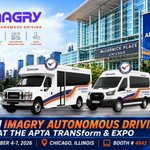
🚍 𝐀𝐏𝐓𝐀 𝐄𝐗𝐏𝐎 𝐢𝐬 𝐚𝐥𝐦𝐨𝐬𝐭 𝐡𝐞𝐫𝐞. 𝐌𝐞𝐞𝐭 𝐈𝐦𝐚𝐠𝐫𝐲 𝐢𝐧 𝐂𝐡𝐢𝐜𝐚𝐠𝐨!
APTA TRANSform EXPO brings the public transportation industry together to explore the technologies and partnerships shaping the future of transit. We’re looking forward to joining the conversation as we expand our autonomous public transportation deployments in the U.S.
Visit us at Booth #4642 to learn about Imagry’s “Buy American Act” compliant buses and shuttles and discuss how they could fit into your fleet. Our CEO Eran Ofir and Bus Programs Manager Slava Ostrovsky will be there to meet you.
📍 October 4–7, 2026 | Chicago
👉 Join us in Chicago. Let’s connect and talk about the future of public transportation.
📩 Want to meet with our team at APTA EXPO? Email us at [email protected] to set up a meeting.
#APTAEXPO #AutonomousBuses #PublicTransportation #SmartMobility #Imagry

*English version below
「2025年度に50カ所程度、2027年度までに100カ所以上で、自動運転サービス(レベル4)を実現する」
これは日本政府の公式目標です。しかし、2026年6月時点でレベル4自動運転が稼働しているのは全国で11カ所でした。
この目標を現実にするため、国土交通省は「交通空白」解消予算を前年度比3.61倍の835億円に増額要求し、自動運転の社会実装も支援対象に含めています。
11箇所から100箇所へ——目標達成に向けた課題はコストです。今、新たな場所での運行開始はほぼゼロから作る個別プロジェクト。測量し、地図を作成し、運行のための検証を繰り返します。難しいのは、それを何十回も繰り返しながら、最終的には全国にこの技術を届けることです。
Imagryのマップレス自動運転はこの根本的な課題を解決します。事前構築された地図が不要なため、新しい場所でもゼロからではなく、これまでの積み上げをそのまま引き継げます。ハードウェア非依存・車載完結の運転判断もこれを大いにサポートします。
日本では豊田通商株式会社とともに、このシステムを多くの場所で実装し、ドライバー不足や山間部の交通手段不足を解決していきます。
ご興味があれば、10月13日〜16日、幕張メッセのJapan Mobility Show BizweekのImagryブースへ、ぜひお越しください。
日本が直面する交通課題を、共に解決していきましょう。
参加登録:eu1.hubs.ly/H0yKxVN0
[English]
"50 locations by FY2025. Over 100 by FY2027 — realizing Level 4 autonomous mobility services."
That was Japan's official target as stated in 2024. Yet as of June 2026, only 11 locations nationwide had Level 4 autonomous driving up and running.
To make that goal a reality, the government is already moving: MLIT's FY2027 budget request asks for ¥83.5B to close Japan's "transit deserts".
So — from 11 locations to 100, what's the real bottleneck? It's cost. Each new location today is its own project, built almost from scratch: survey the route, build the map, repeat the verification needed to operate. What's hard is doing this dozens of times over and eventually bringing the technology nationwide.
Imagry's mapless autonomous driving solves this fundamental problem. Our system needs no pre-built map — each new location inherits everything we've already built, so it's not a fresh start. Our hardware-agnostic, fully onboard driving decisions support this approach as well.
In Japan, we're working with Toyota Tsusho Corporation to deploy autonomous buses across many locations — tackling driver shortages and the lack of transport in mountainous regions.
If you're interested, please come visit S-33 Imagry booth at Japan Mobility Show Bizweek, Oct 13–16, Makuhari Messe.
Let's solve the transportation challenges Japan faces, together.
Register: eu1.hubs.ly/H0yKxVN0

🏆 𝐅𝐫𝐨𝐦 𝐒𝐡𝐨𝐫𝐭𝐥𝐢𝐬𝐭 𝐭𝐨 𝐅𝐢𝐧𝐚𝐥𝐢𝐬𝐭!
We’re excited to share that Imagry's autonomous driving technology, the brain behind our Autonobus™ self-driving buses and shuttles, has advanced to the finals of The 2026 A.I. Awards in the “Best Use of AI in Transportation & Logistics” category.
Reaching the finals brings further recognition to the work our team is doing to apply AI-based solutions to real-world transportation challenges and advance autonomous public transportation.
Thank you to The A.I. Awards and The Cloud Awards for the recognition. We’re looking forward to the final results!
🔗 View the 2026 finalists: eu1.hubs.ly/H0ysgkl0
#Imagry #AIAwards #ArtificialIntelligence #AutonomousDriving #AutonomousVehicles #PublicTransportation #SmartMobility

*English version below
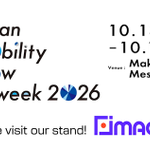
𝐈𝐦𝐚𝐠𝐫𝐲は𝐉𝐚𝐩𝐚𝐧 𝐌𝐨𝐛𝐢𝐥𝐢𝐭𝐲 𝐒𝐡𝐨𝐰 𝐁𝐢𝐳𝐰𝐞𝐞𝐤 2026に出展します。
幕張メッセで開催される「Japan Mobility Show Bizweek 2026」に、出展企業として参加し、ピッチにも登壇します。
本イベントは、自動車産業からより広い「モビリティ産業」への変革を背景に、さまざまなパートナーが集まり、社会課題の解決と新たな価値の創出を目指す場です。
Imagryの公共交通向け自動運転技術は、イベントが掲げる「7つのMOVEs」のうち、以下の2つに貢献します。
🔹 𝐌𝐎𝐕𝐄 𝐏𝐞𝐨𝐩𝐥𝐞:人の行動や移動、選択を変える挑戦
🔹 𝐌𝐎𝐕𝐄 𝐒𝐨𝐜𝐢𝐞𝐭𝐲:都市や精度をアップデートし、社会基盤を築く挑戦
ブースでは、Imagryの自動運転技術について詳しくご紹介するとともに、東京における自動運転バス導入に向けたプロジェクトについてもご紹介します。
📅 2026年10月13日(火)~16日(金)
📍 幕張メッセ(千葉県)
👉 ぜひ当日Imagryブースへお越しください。 未来のモビリティを、ともに考え、創っていきましょう。
展示会への入場は無料ですが、事前登録が必要です。
参加登録はこちら: eu1.hubs.ly/H0yC4MX0
[English]
𝐈𝐦𝐚𝐠𝐫𝐲 𝐢𝐬 𝐡𝐞𝐚𝐝𝐢𝐧𝐠 𝐭𝐨 𝐉𝐚𝐩𝐚𝐧 𝐌𝐨𝐛𝐢𝐥𝐢𝐭𝐲 𝐒𝐡𝐨𝐰 𝐁𝐢𝐳𝐰𝐞𝐞𝐤 𝟐𝟎𝟐𝟔
Imagry is excited to sponsor, exhibit, and pitch at Japan Mobility Show Bizweek 2026, taking place at Makuhari Messe outside Tokyo.
The event reflects the automotive industry’s transformation into a broader mobility industry, bringing partners together to solve societal challenges and create new value.
Imagry’s autonomous driving solutions for public transportation directly support two of the event’s “Seven MOVEs”:
🔹 𝐌𝐎𝐕𝐄 𝐏𝐞𝐨𝐩𝐥𝐞: Transforming how people travel, make decisions, and take action
🔹 𝐌𝐎𝐕𝐄 𝐒𝐨𝐜𝐢𝐞𝐭𝐲: Updating cities and systems to strengthen the foundations of society
At our booth, visitors will be able to learn more about our autonomous driving technology and the progress of our first autonomous bus deployment in Tokyo.
📅 October 13-16, 2026
📍 Makuhari Messe, Japan
👉 Join us! Let’s connect and shape the future of mobility together.
Admission to the exhibition is free, but advance registration is required. Register here: eu1.hubs.ly/H0yC4MX0
#JapanMobilityShow #JMSBizweek #AutonomousDriving #AutonomousBuses #PublicTransport #SmartMobility #Imagry

𝐀𝐮𝐭𝐨𝐧𝐨𝐦𝐨𝐮𝐬 𝐩𝐮𝐛𝐥𝐢𝐜 𝐭𝐫𝐚𝐧𝐬𝐩𝐨𝐫𝐭 𝐢𝐬 𝐜𝐨𝐦𝐢𝐧𝐠 𝐭𝐨 𝐋𝐨𝐧𝐝𝐨𝐧
Imagry is excited to speak and exhibit at the inaugural Autonomous Vehicles (AVs) and Public Transport conference, organized by AV America and Global Mass Transit.
As public transport systems across the UK face growing pressure to improve operational efficiency, address workforce shortages, reduce emissions, enhance accessibility, and provide more flexible mobility options, autonomous technology offers a new path forward.
During our presentation, we will explore:
🔹 Why public transportation is the true test case for autonomous driving
🔹 What a genuinely scalable autonomous driving solution requires
🔹 Best practices for building public acceptance of autonomous buses
The conference will bring together key stakeholders to discuss autonomous bus and shuttle deployments, operational challenges, safety, cybersecurity, economic sustainability, passenger trust, and accessibility.
📅 October 6, 2026
📍 Park Plaza London Riverbank
We look forward to meeting public transport authorities, operators, and mobility leaders in London and discussing how autonomous technology can support better public transportation.
👉 Register here: eu1.hubs.ly/H0ysgkd0
#AutonomousVehicles #PublicTransport #AutonomousBuses #SmartMobility #FutureOfMobility #Imagry

🚍 𝐖𝐡𝐚𝐭 𝐰𝐨𝐮𝐥𝐝 𝐢𝐭 𝐭𝐚𝐤𝐞 𝐭𝐨 𝐦𝐚𝐤𝐞 𝐥𝐞𝐚𝐯𝐢𝐧𝐠 𝐭𝐡𝐞 𝐜𝐚𝐫 𝐚𝐭 𝐡𝐨𝐦𝐞 𝐚 𝐩𝐫𝐚𝐜𝐭𝐢𝐜𝐚𝐥 𝐜𝐡𝐨𝐢𝐜𝐞?
September 22 marks #CarFreeDay, an opportunity to rethink how we move through our cities and what people need in order to rely less on private vehicles.
But let's face it: going car-free is only realistic when there is a reliable alternative!
For example: public transportation that is available when and where people need it, with enough frequency and coverage to make everyday trips possible without depending on a private car.
At Imagry Autonomous Buses, we believe autonomous technology can help Public Transportation Operators (PTOs) and Public Transit Authorities (PTAs) expand the role transit plays in that equation. By enabling autonomous bus and shuttle services, these bodies can have another tool for increasing service availability, extending coverage, and making better use of existing fleets and road infrastructure -- benefitting both the operators and the communities they serve.
Car Free Day may last only 24 hours, but the bigger question lasts all year:
𝐇𝐨𝐰 𝐝𝐨 𝐰𝐞 𝐦𝐚𝐤𝐞 𝐩𝐮𝐛𝐥𝐢𝐜 𝐭𝐫𝐚𝐧𝐬𝐩𝐨𝐫𝐭𝐚𝐭𝐢𝐨𝐧 𝐜𝐨𝐧𝐯𝐞𝐧𝐢𝐞𝐧𝐭 𝐞𝐧𝐨𝐮𝐠𝐡 𝐭𝐡𝐚𝐭 𝐥𝐞𝐚𝐯𝐢𝐧𝐠 𝐭𝐡𝐞 𝐜𝐚𝐫 𝐛𝐞𝐡𝐢𝐧𝐝 𝐛𝐞𝐜𝐨𝐦𝐞𝐬 𝐚 𝐫𝐞𝐚𝐥 𝐨𝐩𝐭𝐢𝐨𝐧?
Learn more: eu1.hubs.ly/H0ywplM0
#CarFreeDay #PublicTransport #AutonomousBuses #AutonomousDriving #UrbanMobility #SmartMobility

𝐀𝐈 𝐢𝐬 𝐚𝐥𝐫𝐞𝐚𝐝𝐲 𝐜𝐡𝐚𝐧𝐠𝐢𝐧𝐠 𝐡𝐨𝐰 𝐩𝐮𝐛𝐥𝐢𝐜 𝐭𝐫𝐚𝐧𝐬𝐩𝐨𝐫𝐭𝐚𝐭𝐢𝐨𝐧 𝐨𝐩𝐞𝐫𝐚𝐭𝐞𝐬. 𝐀𝐮𝐭𝐨𝐧𝐨𝐦𝐲 𝐜𝐨𝐮𝐥𝐝 𝐜𝐡𝐚𝐧𝐠𝐞 𝐡𝐨𝐰 𝐢𝐭 𝐦𝐨𝐯𝐞𝐬.
Transit agencies are already applying AI across predictive maintenance, dispatch, disruption management, bus lane enforcement, and passenger support.
A recent article by Art Guzzetti of the American Public Transportation Association looks at this growing role of AI alongside another major shift in public transportation: autonomous vehicles. eu1.hubs.ly/H0yrYns0
While AI is increasingly being integrated into day-to-day transit operations, vehicle automation could open new possibilities for first- and last-mile connections, flexible service, and access in underserved or lower-density communities.
Both also bring new questions around workforce transformation, cybersecurity, regulation, data, and how these technologies should ultimately fit into public transportation networks.
That makes the direction of deployment just as important as the technology itself.
As Guzzetti argues, AI and AV policies need to be linked to measurable public outcomes so that investment translates into tangible improvements in safety, reliability, operational efficiency, community life, and the passenger experience.
For autonomous buses, that means thinking beyond the ability of a vehicle to drive itself and toward the role autonomy can play within the wider transit system.
At @ImagryCo, our AI-based, camera-centric, HD-mapless autonomous driving technology is designed to help public transport operators introduce autonomous service without dependence on HD maps or additional roadside infrastructure.
As AI and autonomy continue to advance together, the opportunity is not simply to make public transportation more technologically sophisticated, but to make it work better for the people and communities it serves.
#Imagry #AutonomousBuses #AutonomousDriving #ArtificialIntelligence #PublicTransportation #SmartMobility #FutureOfTransit

🚍 𝐀 𝐛𝐞𝐭𝐭𝐞𝐫 𝐜𝐨𝐦𝐦𝐮𝐭𝐞 𝐢𝐬 𝐧𝐨𝐭 𝐣𝐮𝐬𝐭 𝐚𝐛𝐨𝐮𝐭 𝐠𝐞𝐭𝐭𝐢𝐧𝐠 𝐭𝐡𝐞𝐫𝐞 𝐟𝐚𝐬𝐭𝐞𝐫.
We recently attended a webinar coordinated by EIT Urban Mobility, “Building Better Commutes: How European Cities Are Improving Everyday Mobility”. The discussion explored how daily commuting affects wellbeing and what cities can do to improve the everyday travel experience.
One point from the panel stood out: predictability matters.
A 40-minute journey can feel manageable when passengers know it will actually take 40 minutes. The experience changes when delays, disruptions, or limited alternatives leave people unsure of when they will arrive or what they can do next.
The discussion highlighted several ways cities are trying to address this, including improving reliability, increasing capacity during peak hours, providing better real-time information when disruptions occur, and continuously adapting services based on passenger feedback.
The panel also touched on another growing challenge: recent heatwaves across Europe, and how extreme weather is adding a new layer to the way cities think about passenger comfort and the everyday travel experience.
For us at @ImagryCo, these conversations are important because autonomous public transportation is not only about introducing a new technology. It is about how that technology can help public transport systems respond to the realities passengers face every day.
More frequent service, greater operational flexibility, and reliable transportation are ultimately part of the same goal: making public transport a practical and dependable part of everyday mobility.
Learn more about Imagry Autonomous Buses: eu1.hubs.ly/H0ypvrv0
#PublicTransportation #AutonomousVehicles #UrbanMobility #SmartMobility #EuropeanMobilityWeek

We’re pleased to announce that Imagry Autonomous Buses will be sponsoring the upcoming Autonomous Vehicles and Public Transport UK Conference, taking place on October 6, 2026, at Park Plaza London Riverbank.
Organized by Global Mass Transit, the conference will bring together transport authorities, policymakers, public transport operators, technology providers, OEMs, startups, and mobility leaders to discuss the growing role of autonomous vehicles in public transportation.
As the UK moves toward wider deployment of autonomous mobility, the conference will focus on the practical considerations involved in integrating autonomous buses, shuttles, and other shared mobility solutions into existing public transport networks.
Imagry’s Marketing Director, Ruth Bridger, will join other industry leaders at the conference to discuss developments shaping autonomous public transportation in the UK and beyond.
We look forward to seeing you in London! Let us know if you want to pre-set a meeting with us.
Register here: eu1.hubs.ly/H0yj5Cr0)
#AVPTUK2026 #AutonomousVehicles #AutonomousMobility #PublicTransport #AutonomousDriving #SmartMobility #FutureOfMobility

𝐀 𝐛𝐮𝐬 𝐬𝐭𝐨𝐩 𝐜𝐚𝐧 𝐛𝐞 𝐭𝐡𝐫𝐞𝐞 𝐛𝐥𝐨𝐜𝐤𝐬 𝐚𝐰𝐚𝐲 𝐚𝐧𝐝 𝐬𝐭𝐢𝐥𝐥 𝐧𝐨𝐭 𝐟𝐞𝐞𝐥 𝐜𝐥𝐨𝐬𝐞 𝐢𝐟 𝐭𝐡𝐞 𝐛𝐮𝐬 𝐨𝐧𝐥𝐲 𝐜𝐨𝐦𝐞𝐬 𝐟𝐨𝐮𝐫 𝐭𝐢𝐦𝐞𝐬 𝐚 𝐝𝐚𝐲.
Public transportation is often measured through distance: route coverage, number of stops, or how many people live within a certain radius of a service.
But for passengers, another measure can matter just as much: 𝐭𝐢𝐦𝐞.
A analysis by the Urban Institute, carried out with the Washington Metropolitan Area Transit Authority, found that increasing frequency by approximately 35% on a set of existing DC bus corridors could allow the average resident to reach almost 30,000 additional jobs within 30 minutes, an increase of around 60%. The researchers put most of that gain down to shorter waits: eu1.hubs.ly/H0yhm7D0
The routes and destinations did not need to move. What changed was how successful passengers were in reaching their destinations within the time they had.
𝐓𝐡𝐚𝐭 𝐦𝐚𝐤𝐞𝐬 𝐟𝐫𝐞𝐪𝐮𝐞𝐧𝐜𝐲 𝐚𝐧 𝐚𝐜𝐜𝐞𝐬𝐬 𝐦𝐞𝐭𝐫𝐢𝐜, 𝐧𝐨𝐭 𝐣𝐮𝐬𝐭 𝐚 𝐬𝐞𝐫𝐯𝐢𝐜𝐞 𝐦𝐞𝐭𝐫𝐢𝐜.
Increasing service frequency requires additional driver capacity. When driver availability is constrained, transit operators have less flexibility to add departures, extend operating hours, or expand service.
This is where autonomous public transportation can change the operating equation. By reducing dependence on driver availability, autonomy can give operators greater flexibility to increase frequency, extend service hours, and serve routes that may be difficult to sustain under conventional operations.
At @ImagryCo, our AI-based, camera-centric, HD-mapless autonomous driving technology is designed to help operators deploy autonomous bus services to better meet the requirements of their passengers.
Because where destinations cannot be brought closer, better public transportation can help bring them closer 𝐢𝐧 𝐭𝐢𝐦𝐞.
#AutonomousBuses #PublicTransport #SmartMobility #UrbanMobility #AutonomousDriving #FutureOfTransit
