

Travel enthusiast ✈️ Camera aficionado 📸 Part-time comedian 🎭 Full-time fashionista 👠 Diplomatic advisor to the Potato King 👑🥔
- Tweets245
- Following363
- Followers239
- Likes76



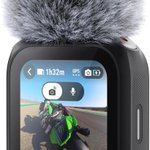





ALT DJI Action 6 and Insta360 Ace Pro 2


ALT DJI Osmo Nano camera


ALT IF YOU ARE ARRESTED Before arresting you, the police should explain that you’re being arrested, what offence, and why. If you’re arrested, say “no comment” to all questions and do NOT accept a caution until you have legal advice. Seek advice from a solicitor with expertise in protest law (see below). You have the right to: • Tell someone about your arrest • An interpreter if English isn’t your first language • An appropriate adult if you’re under 18 or a vulnerable person You are not legally required to share your nationality or immigration status when arrested, although police may check this if they suspect you’re not a British citizen. For guidance on the implications of being arrested at a protest, see jcwi.org.uk/immigration-advice-for-protesters SOLICITORS OFFERING FREE 24 HOUR ADVICE: ITN solicitors 020 3909 8100 Hodge Jones & Allen 0844 848 0222 Kellys 01273 674 898 / 0800 387 463 MTC 07956 308 127 Bindmans 020 7305 5638 Commons 020 3865 5403 LEGAL OBSERVERS & OTHER SUPPORT:

ALT DO I HAVE TO ANSWER POLICE QUESTIONS? If you are stopped and questioned by the police, or they talk to you at a protest, you have the right not to respond, unless you are engaging in “anti-social” behaviour (causing, or likely to cause “harassment, alarm or distress”). You shouldn’t provide false information to the police, as this is a criminal offence. You can’t be searched or arrested just because you lawfully refused to answer police questions. DO I HAVE THE RIGHT TO PROTEST? Yes. Your right to protest is protected by the Human Rights Act and can only be lawfully restricted by the police for certain specified purposes (such as preventing crime or disorder) and in a way that is proportionate. For more information and guidance on organising a protest, police powers to restrict or prohibit protests, and your rights if arrested, go to libertyhumanrights.org.uk/advice-and-information and select the topic of ‘protest’ or use the QR code below.
