

Lakefolio turns a concentrated company stock into a clear, tax-aware sell plan so you know when to sell without guessing.
Joined August 2026
- Tweets381
- Following60
- Followers13
- Likes16




If you would not buy that employer stock today with cash, holding the leftover shares is still a buy.
Shares from separate vests keep separate holding periods. Count each vest before you sell this year.
Shares from different vests do not share a holding period. Count each vest before you sell this year.
Leftover shares already counted as pay on the vest year’s W-2. Keeping them is a new buy of that stock.
Sell leftover RSUs near the vest price and you add little tax beyond the W-2 the vest already made. Do you still want that stock?
Today up to 319.0 million shares become eligible. Eligible is not sold. How many of yours belong in 2026?
Federal estimated tax is due September 15. Vest pay is already on this year’s return. Are you adding a sale on top?
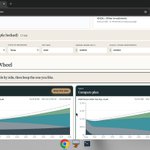
Same sample. 20% a year vs sell every share you can this year. Tax $129,335 vs $71,382. $57,953 less tax on this sample.
lakefolio.com

Same sample. 20% a year vs sell every share you can this year. Tax $129,335 vs $71,382. $57,953 less tax on this sample.
lakefolio.com

Same sample. 20% a year vs sell every share you can this year. Tax $129,335 vs $71,382. $57,953 less tax on this sample.
lakefolio.com

Same sample. 20% a year vs sell every share you can this year. Tax $129,335 vs $71,382. $57,953 less tax on this sample.
lakefolio.com
