

Opening up access to moving image and sound since 1948. We run BoB (Box of Broadcasts) and the Learning on Screen Awards 🎬
United Kingdom
Joined April 2009
- Tweets7K
- Following1.1K
- Followers2.8K
- Likes1.4K



Learning on Screen retweeted

It's very good to see that the News on Screen database of British newsreels and cinemagazines has undergone a redesign by @LearnonScreen and looks as useful and essential as ever learningonscreen.ac.uk/newso…

We wish all our members and partners a Happy Christmas.
We'll be taking a well deserved break until 6th January 2025 and we hope you all will be too!
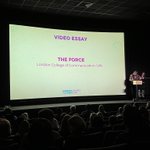
We are looking forward to hosting an exciting panel event at our AGM tomorrow.
Our panelists will be debating whether we are doing enough to embed moving image and sound in post-16 education.
We will be looking to host more interactive webinars next year - watch this space!

As #COP29 brings leaders together to address climate change, we're pleased to share a playlist which addresses this important issue.
Curated by Dr Lynda Dunlop @UniOfYork this resource can be used to stimulate dialogue about the causes, consequences & responses to climate change
Discover Your Local Arena, a project that combines iconic BBC’s Arena documentaries with local literature festivals, inspiring new artwork and storytelling.
➡️ learningonscreen.ac.uk/yourl…

Learning on Screen retweeted

Confused by copyright? Register for Learning on Screen’s free webinar ‘Copyright Clarity’ next Wednesday (16th) tailored for those working in post-16 education: learning-on-screen.thinkific…


Are you in post-16 education and confused by copyright?
Check out our ten top tips for navigating the complexities of UK #CopyrightLaw (THREAD)

If you want to learn more, why not sign up to one of our free 'Copyright clarity' webinars.
The next session is on October 16th.
Sign up for free here 👉 learning-on-screen.thinkific…
10) Stay updated with copyright developments
Educators should stay informed on changes in legislation, new licensing agreements, and best practices. Regularly reviewing your knowledge and policies will ensure ongoing compliance and support a culture of responsible content use.
9) Create copyright experts and ambassadors
Copyright law can be complex, and the consequences of infringement can be severe. If you're unsure about whether your use of a work complies with copyright legislation, it’s a great idea to invest in training to build your knowledge.
8) Implement copyright policy for staff and students
Developing a clear copyright policy that outlines the dos and don'ts for staff and students is essential. This policy should include guidelines on using third-party content, digitising materials, and sharing resources.
7) Develop robust processes and procedures
Academic institutions often host a variety of online resources. It’s crucial to implement effective copyright management practices for these resources to help safeguard from legal risks and ensure resources are shared responsibly.
6) Be cautious with the use of AI
When using AI tools, ensure that the datasets used to train these models do not infringe on existing copyright. Always verify that the source material is either in the public domain, licensed for such use, or falls within relevant exceptions.
5) Take advantage of licences and licensed content
When using copyrighted materials in reading lists, virtual learning environments or lectures, ensure that you have the necessary licences. Verify your institution's licensing agreements and make use of them appropriately.
4) Be cautious with online content
Ensure that any digital content used in virtual learning environments or online courses is either owned by the institution, appropriately licensed for educational use, or falls within the fair dealing exceptions.
3) Harness the educational exceptions to copyright
UK copyright law provides certain exceptions for educational use. However, these exceptions are limited. Only a reasonable and necessary portion of the content can be used, and it must directly support the educational purpose.
2) Know the duration of copyright protection
Generally, literary, dramatic, musical, and artistic works are protected for the creator's lifetime plus 70 years, but different rules apply for works like sound recordings and broadcasts. Understanding these timeframes is vital.
1) Understand what is protected by copyright
In the UK, copyright protects a wide range of works. Educators should be well-versed in what constitutes a protected work to avoid unintentional infringement during teaching, research, and resource sharing.
Are you in post-16 education and confused by copyright?
Check out our ten top tips for navigating the complexities of UK #CopyrightLaw (THREAD)