

We make Medieval-style bread & ale. Stone Angel is our delicious, complex, herb-infused old English amber ale. Try it and get Medieval on your tastebuds.
Bradford-on-Avon, England
Joined January 2017
- Tweets228
- Following250
- Followers185
- Likes692







I have tried sorghum beer and like it, but never come across fonio beer. Fonio is one of the most ancient grains and possibly most ancient beers. Tempted to make long detour to Cajarc in France where Kalao brewery from Senegal are at #Africajarc Festival
theguardian.com/environment/…

Love this I need to spend time with a Master at work in northern Europe on raw ales to learn. My few experiments with raw ale have gone sour despite scrupulous cleaning and it has frightened me off. Brewing Modern Raw Ales brewingnordic.com/new-nordic… via @Brewing Nordic
4
Wormwood? Why ruin a 3,000 year old millet beer recipe with wormwood of all herbs? One teaspoon is enough to ruin that batch. english.radio.cz/czech-scien…
2

Vikings ate meat, fish & sourdough baked with sour milk & sometimes poisonous grains. They had worms too (all that pork) so I wonder if they tried remedies for the worms? Wormwood ale perhaps? (worse than it sounds, believe me). What else did they drink?
history.com/news/the-surpris…
1
Ye fresh and sweet ale with cardomon, coriander seeds and cumin. No boil, no hops, wild yeast, ancient Sumerian style.

My latest video is up - making 4000 year old beer. Eagle eyed viewers might spot the Lego set up!
m.youtube.com/watch?v=aeZWqW…
1
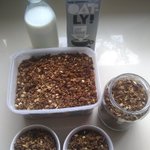
What to do with all the spent barley used in brewing? Animal feed obviously, my chickens love it. It can make up to 10% of a sweetish loaf before it becomes inedibly stodgy. But what else? I doubt granola was a big part of a Medieval diet. Historians, any ideas?

This was the recipe for granola but it takes hours in the oven to dry out barley, is good but quite sweet and, let's be honest, there's only do much granola a brewer can eat... brooklynbrewshop.com/blogs/t…
We know the church enriched itself by confiscating the property of 'witches' across Medieval Europe, but it seems that unscrupulous ale makers may have use accusations of witchcraft against rival ale wives, especially widowed ones. A chilling history.
braciatrix.com/2017/08/07/wi…
How to get birch water from a silver birch without drilling or invasive cutting. A subtly flavoured, refreshing, cold drink that can be made into beer or wine.


Here's how. With my tree I got as far as tying down a slim branch when it started dripping from a point so I just put a pan under that a sieved into a glass a couple of hours later. If I had cut the branch I would have got more, no doubt. youtu.be/kSCyd319S4I
2
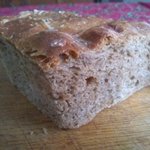
When home-brewing I used to pour the trub/sediment away after fermentation. Ten years ago I tried making bread. It rises beautifully & can taste amazing. With gruit ale the taste can be strong. I've learned that if the bread tastes good the ale will too. This one tastes great.

A brewery where waste food is recycled into beer. A zero carbon, zero waste economy would be a beautiful thing. nitter.gq/BusinessGreen/status/1…

Rise Up: Toast Ale unveils new range of beers in campaign to transform food system businessgreen.com/news/40238…
Brute Norse eloquent on how bog myrtle was the bittering agent of pre Medieval ales across Europe, until relentless march of hops from 9th century Bavaria finally all but stamped out gruit by the 20th century. Luckily it clings on in a few dark corners... brutenorse.com/blog/2019/1/1…

@brutenorse the missing piece of this fabulous jigsaw is the role, if any, of the Reformation and tussles between Catholic and Protestant traditions and the first legally sanctioned 'war on drugs'. Or am I being a historical heretic here?
2
In case ye thirst most grievously for Stone Angel prithee mark: kettlesmithbrewing.com
