

Robot mowers, smart lawn tech, reviews, tips & deals. Making lawn care simple.
North Garden, VA
Joined May 2022
- Tweets1.3K
- Following3.2K
- Followers5K
- Likes16.5K



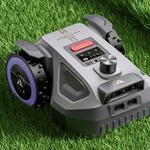






Before next season, what would you improve about your yard for a robot mower: clearer boundaries, fewer obstacles, a better dock location, or stronger Wi-Fi/cellular coverage?
56
Running a Lawn Care Crew: Routes, Rain Days and Happy Customers
Mowing a lawn well is the easy part of a lawn care business. Most owners can stripe a yard, edge a driveway and blow off the clippings in their sleep. The work around the mowing wears them down: building routes for the week, shuffling them when it rains, answering customers who want to know when the crew is coming and keeping track of who paid.
This guide is for owners running one to five crews. It covers the parts of the job that don’t involve an engine.
Build routes by neighborhood, not by sign-up date
New lawn care businesses tend to add customers to the schedule in the order they sign up. By midseason, the crew zigzags across town, burning fuel and daylight. A trailer full of mowers doesn’t turn around quickly, and every extra mile adds wear on the truck.
Reorganize your routes once you have twenty or more customers. Group them into zones by neighborhood and assign each zone to a day of the week. Monday is the north side, Tuesday the east side and so on. Inside each zone, order the stops so the crew moves in a loop rather than back and forth.
Leave Friday partly open. You will need it for rain catch-up, one-off jobs and new customers who want service this week.
When a new customer calls from a zone you already serve, you can price more competitively, because the drive time is nearly zero. Some owners offer a small discount for neighbors of existing customers for this reason.
Know your real time per property
Many owners price by gut feel and lose money on a handful of properties without noticing. Track how long your crew spends at each address for a couple of weeks, from unloading the trailer to pulling away. Include trimming, edging and cleanup.
You will usually find a few yards that take twice as long as you thought: steep slopes, lots of beds to trim around, a gate the mower barely fits through. Either raise the price or let those customers go to someone else. A route full of profitable stops beats a longer route that includes three money losers.
Plan for rain before it rains
Rain is the defining scheduling problem of lawn care. Mowing wet grass tears the blades, leaves clumps and rutting, and pushes the crew into slower, riskier work on slopes.
Decide your rain policy in advance and tell customers about it when they sign up. Common approaches:
Shift the whole route by one day and let the Friday buffer absorb it.
Skip that week for customers on a weekly plan, with a clear note about billing.
Prioritize customers with events or high-visibility properties, then work through the rest.
Whatever you choose, apply it the same way every time. Customers handle delays better when they know the rule and hear about the change before the crew is late, not after.
Keep customers in the loop without picking up the phone
A big share of calls to a lawn care business are some version of “Are you coming today?” or “Did you come yesterday?” Each call breaks the owner’s concentration and often catches him behind the wheel.
Simple automation cuts most of these. A text the evening before or when the crew is on the way answers the first question. A short completion message, ideally with a photo of the finished lawn, answers the second. Photos also protect you when a customer claims the crew skipped them or damaged a flower bed.
Plenty of small crews start with a spreadsheet and text messages. Around the second or third crew, that setup starts to crack. At that point, job scheduling software for home service businesses can hold your routes, send arrival notifications, collect completion photos and show you which crews finished their day. Landscapers share most of their scheduling problems with cleaning and pest control companies, so tools built for those trades usually fit well.
Track equipment as carefully as customers
Mower downtime in peak season is expensive. A broken deck belt on a Tuesday can push half a week of work into overtime. Keep a simple maintenance log for each machine: blade sharpening, oil changes, belt and filter replacements, hours of use.
Sharpen blades often. Dull blades shred grass tips, leave a brownish cast on the lawn a day later and give customers the impression of a sloppy job. Many crews swap blades midweek so they always have a sharp set ready.
Upsell with the calendar, not with pressure
The mowing season gives you natural moments to offer more services. Spring cleanup and first fertilizer application. Midsummer grub control. Fall aeration and overseeding. Leaf removal. Winterizing irrigation systems where that applies.
Put these on your calendar for each zone and mention them to customers a couple of weeks ahead. A note like “We’ll be aerating on the east side the week of the 15th, want us to add your lawn?” sells better than a generic flyer, because it is concrete and it fits a route you are already running.
The season is a sprint, the business is a marathon
Lawn care owners often treat winter as recovery time. It is also the best moment to fix the system: redraw zones, raise prices on unprofitable properties, choose software and service the equipment. Walk into spring with a clean schedule, and the season that follows will feel very different from the last one.
The post Running a Lawn Care Crew: Routes, Rain Days and Happy Customers appeared first on Mowing Magic.
ift.tt/HfAksyi

3
1
131
Black Friday robot mower tip: advertised lawn size isn't the whole story. Compare slope capability, narrow passages, navigation, edge trimming, service support, and blade costs.
2
1
51
How Lawn Care Businesses Can Build Neighborhood Recognition Season After Season
For a lawn care business, great work is only part of staying busy. Homeowners also need to remember your name when the grass starts growing, when shrubs get out of hand, or when a neighbor asks who maintains the neat yard down the street.
That kind of recognition usually builds slowly. It comes from repeated, positive impressions in the same neighborhoods over time. The good news is that a lawn care company does not need a huge budget to become familiar. Small habits, consistent branding, and thoughtful follow-up can make a local business easier to remember and recommend.
Here are practical ways lawn care professionals can build neighborhood recognition throughout the season without making every interaction feel like a sales pitch.
Make Every Job Site Look Organized
A lawn care crew is often seen by more people than the customer who booked the service. Neighbors walk dogs, drive by, pick up mail, or work from home near the property. A clean, organized job site sends a message before anyone speaks to the crew.
Simple details matter. Park trucks neatly when possible. Keep tools off sidewalks. Avoid blocking driveways longer than necessary. Make sure clippings are cleared from walkways and curbs before leaving.
When a crew looks professional and respectful, nearby homeowners are more likely to notice. They may not call right away, but they start connecting your business name with a clean result and a low-stress experience.
This is especially useful in neighborhoods where homes have similar lot sizes and maintenance needs. One tidy job can lead to another because neighbors can easily picture the same level of service at their own property.
Use Consistent Branding Without Overdoing It
Branding does not have to be loud to be effective. In lawn care, consistency often works better than flashy design. A readable logo, a clear business name, and matching colors across trucks, shirts, invoices, and yard signs can make your company feel familiar.
The key is to make your information easy to recognize at a glance. If a homeowner sees your truck on Monday, your crew shirt on Wednesday, and a yard sign on Friday, those repeated impressions help your name stick.
Small details can help too: yard signs, branded hats, door hangers, refrigerator magnets, and custom pins can all give customers something physical to remember after a job is done.
The goal is not to cover every surface with a logo. It is to create enough repetition that people do not have to search their memory when they need help with mowing, edging, seasonal cleanup, or lawn maintenance. For more ideas, see these small offline branding ideas for lawn care businesses.
Leave Behind Something Useful
A leave-behind item works better when it has a purpose. Homeowners are more likely to keep something that helps them remember service dates, seasonal tasks, or contact information.
For example, a simple seasonal lawn care card can include reminders such as when to schedule aeration, when to reduce watering, or when to plan leaf cleanup. A small magnet with your phone number and service area can go on a garage fridge. A printed care note after a fertilization visit can explain when pets and kids can return to the lawn.
These items should feel helpful, not pushy. A short note like “Thanks for having us out today. Here are a few care tips for the next week” feels more personal than a generic flyer.
Useful leave-behinds also give customers something to pass along. If a neighbor asks who handled their lawn, the customer may have your information close by instead of needing to search through old messages. (We cover more options in marketing leave-behinds people may actually use.)
Be Easy to Identify and Easy to Contact
Many lawn care leads happen in quick moments. A neighbor may see your crew working and want to ask about pricing. Someone driving by may notice a clean edging job and try to remember the business name later.
Make that process simple. Vehicle lettering should be readable from a reasonable distance. A phone number or website should not be too small. Crew members should know how to respond politely when someone asks for information.
This does not mean every employee needs to be a salesperson. A simple response is enough: “We would be happy to help. The office can give you an estimate, and the number is on the truck.”
You can also keep a few small information cards in each vehicle. These are useful when someone asks about weekly mowing, mulch installation, trimming, or cleanup services. The card should include the business name, contact details, service area, and a brief list of core services.
Build Recognition Through Routine Communication
Customers remember businesses that communicate clearly. This is especially important in lawn care because weather, growth rates, and seasonal changes can affect schedules.
A quick message about a rain delay, a reminder before a seasonal service, or a follow-up after a larger project can reduce confusion and build trust. Over time, customers begin to see the company as dependable, not just available.
Routine communication also creates natural opportunities to stay visible. For example, an email in early spring can remind customers to schedule cleanup before mowing season gets busy. A midsummer note can share watering guidance during dry weeks. An autumn message can explain leaf removal timing and winter preparation.
These updates should be short and useful. Homeowners do not need a long newsletter every week. They need timely information that helps them take care of their property.
Encourage Word of Mouth in a Neighborly Way
Referrals are important in lawn care because neighbors often trust each other more than advertisements. A homeowner who is happy with the way their yard looks may mention your company naturally when someone asks.
You can encourage that without being aggressive. After finishing a job, let customers know you appreciate referrals from neighbors, friends, or family. If you offer a small referral credit, explain it clearly and keep the process simple.
Another practical approach is to focus on clusters of service. If you already maintain several homes in the same area, scheduling them on the same day can make routes more efficient and increase visibility. People tend to notice when the same company is working on multiple properties nearby.
Still, quality has to come first. A referral only works if the original customer feels confident recommending you. Clean work, respectful crews, and reliable scheduling do more for word of mouth than any printed piece alone.
Show Up Locally Outside of Work Hours
Neighborhood recognition can also grow through community involvement. Sponsoring a youth sports team, donating time for a local cleanup day, or participating in a community event can help people connect your business with the area you serve.
These efforts do not need to be complicated. A lawn care company might help freshen up a small public space, provide mulch for a school garden, or volunteer equipment for a neighborhood cleanup. When done sincerely, local involvement shows that the business is part of the community, not just working in it.
The same principle applies online. Sharing simple photos from completed projects, seasonal reminders, or community participation can reinforce what people already see in their neighborhood. Keep the tone practical and grounded. Before-and-after photos, mowing schedule updates, and yard care tips are often more useful than overly polished posts.
Keep the Customer Experience Consistent
Recognition only helps if the experience supports it. If a homeowner remembers your business but also remembers missed appointments or poor cleanup, familiarity will not help.
Consistency is built through systems. Crews should know service expectations. Customers should understand what is included. Billing should be clear. If mistakes happen, they should be addressed quickly and professionally.
A consistent customer experience makes every visible branding effort more effective. When someone sees your truck down the street, they should associate it with reliable work and respectful service.
This is where small businesses often have an advantage. A local lawn care company can be more personal, flexible, and attentive than a larger operation if it has good habits in place.
Conclusion
Neighborhood recognition is not built from one sign, one flyer, or one busy week in spring. It comes from repeated impressions that feel professional, helpful, and consistent.
For lawn care businesses, every job site is a chance to be noticed. Every clear message, clean edge, polite conversation, and useful leave-behind can make the company easier to remember.
When homeowners see the same business doing dependable work throughout the season, trust grows naturally. Over time, that familiarity can turn into repeat customers, neighbor referrals, and a stronger local presence year after year.
The post How Lawn Care Businesses Can Build Neighborhood Recognition Season After Season appeared first on Mowing Magic.
ift.tt/4wf32ly

4
4
172
Robot mower winter prep: check your model's manual for storage charge and temperature, clean it, power it down, and store it as the manufacturer recommends. One routine does NOT fit every brand.
1
37
Waiting for Black Friday to buy a robot mower? 🛒
Pick your model before the deals drop so you're not guessing at checkout.
Find the right one for your yard: mowingmagic.com/robot-mower-…

1
58
Maximising Home Privacy and Kerb Appeal Through Smart Landscaping and Window Treatments
Creating a comfortable and secure living space starts at the boundary line. For many Australian homeowners, finding the perfect balance between welcoming kerb appeal and essential household privacy can feel like a difficult task. However, recent property trends reveal that this balance is not only achievable but highly profitable. According to the 2026 Plant Value Report by Domain and Greener Spaces Better Places, houses marketed with established greenery sell for an average of 17.4% more nationally. This equates to roughly a $140,000 premium on the capital city median. A well-designed exterior does more than just boost property value, as it sets the stage for a layered approach to home security and thermal comfort.
Establishing Boundaries with Smart Landscaping
The first defensive layer for your property is the front garden. Instead of building imposing brick walls, modern design favours natural and inviting barriers. Crime Prevention Through Environmental Design (CPTED) principles emphasise that front yard vegetation should define property lines without creating solid, impenetrable walls. Security experts advise sloping front-yard vegetation back in height and maintaining clear sightlines near driveways. This ensures your home retains natural surveillance from the street and prevents overgrown hedges from inadvertently becoming hiding spots for intruders.
When planning your outdoor spaces, you can easily bridge the gap between exterior maintenance and interior lifestyle by focusing on natural screening. For those looking to upgrade their exterior, checking out dedicated home garden guides can help you select the best fast-growing shrubs that suit your specific soil type and local climate conditions. A carefully maintained lawn paired with strategic planting forms a beautiful yet highly practical property border that enhances your everyday lifestyle.
Layering Outdoor Greenery with Indoor Treatments
While a leafy front garden provides excellent daytime screening and softens the look of a house from the street, it cannot offer complete night-time privacy. When the sun goes down and the interior lights turn on, windows become highly visible from the outside. Implementing a strategy of territorial reinforcement means combining well-maintained low hedges externally with practical indoor solutions. Selecting the right set of Blinds is crucial for ensuring that your living spaces remain completely private after dark. This dual approach allows homeowners to dictate their privacy levels without sacrificing physical security or street appeal.
Thermal Performance and Energy Savings
The synergy between outdoor shading and indoor window coverings extends far beyond just privacy. Together, they create a highly effective thermal barrier against the harsh Australian climate. Unprotected glass is a major vulnerability in any house. In fact, official government data reveals that almost 90% of a home’s heat is gained, and up to 40% of heating energy is lost through its windows. This staggering statistic underscores the absolute necessity of combining exterior leafy shade with proper interior treatments.
Independent modelling data launched in 2026 by the Window Shading Association of Australia (WSAA) reinforces this strategy. Their WincovER simulator demonstrates that installing close-fitting blockout solutions in a standard single-storey brick veneer home can reduce total energy costs by up to 33.5% in cities like Brisbane, and over 30% in Perth. Furthermore, scientific testing shows that cellular or honeycomb-style designs can reduce solar heat gain by over 57%. By pairing these indoor energy-efficient choices with the dappled shade of a front yard tree, you can drastically cut your reliance on air conditioning.
Top Fast-Growing Privacy Plants for Australian Gardens
Choosing the right species is vital for establishing a reliable and attractive natural screen. Landscaping experts consistently recommend the following options for Australian front yards:
Straight and Narrow Lilly Pilly: This cultivar is perfect for narrow side boundaries and tight driveways. Its naturally upright growth provides dense vertical screening without encroaching on limited horizontal space.
Psyllid-Resistant Lilly Pilly Varieties: Options like ‘Resilience’ or ‘Hinterland Gold’ are highly recommended by horticulturalists. These specific types resist the sap-sucking insects that cause unsightly pimple-like bumps on the leaves, ensuring your hedge remains pristine all year long.
Murraya (Orange Jessamine): Frequently utilised as a compact alternative to native shrubs, Murraya produces a sweet scent and thick, bushy foliage that responds exceptionally well to regular trimming and shaping.
Maximising your property’s overall potential requires looking at the house and garden as a single, connected ecosystem rather than separate zones. By uniting thoughtful exterior landscaping with smart indoor styling choices, you can create a beautiful home that is highly secure, remarkably energy-efficient, and wonderfully private from the street.
The post Maximising Home Privacy and Kerb Appeal Through Smart Landscaping and Window Treatments appeared first on Mowing Magic.
ift.tt/rJD2WZ8

1
106
Holiday gift debate 🎁
Is a robot mower a dream gift, or the outdoor version of getting a vacuum for Christmas? 😄
1
31
Quick math: a lawn service at $40 a mow, 28 mows a season, is $1,120 a year. 💵
What do you pay per mow? Would a robot mower pay for itself at your place?
54
Robot Lawn Mowers for Challenging Yards: What Features Actually Matter?
Not Every Lawn Is Easy to Automate
A robot lawn mower can make routine grass cutting easier, but not every yard is straightforward to maintain. Trees can interfere with positioning signals, narrow passages may limit movement, and uneven ground can affect traction. Even a relatively small lawn can present challenges if it has several separate sections or complicated boundaries.
That is why choosing a mower based on lawn size alone can lead to disappointment. The more useful approach is to identify the conditions that make your yard difficult to maintain, then look for a model with features designed to handle those specific challenges.
Start by Identifying Your Lawn’s Biggest Challenge
Before choosing a robot mower, take a closer look at your garden. Measure the actual grass area, then identify any features that could affect mowing. Are there trees or buildings that may interfere with positioning signals? Are there narrow passages between lawn sections? Does the ground have steep slopes, uneven patches, or several separate mowing zones?
Also consider how you want to handle grass clippings. Mulching may be enough for some lawns, while others benefit from a mower that collects and empties clippings automatically.
You do not need to prioritize every feature. Focus on the one or two conditions that make your lawn hardest to maintain, and use those as the starting point for comparing models.
For Narrow Passages and Tight Corners
Gardens with narrow pathways, tight corners, or several connected lawn sections need a mower that can navigate limited space without getting stuck. Before buying, measure the narrowest passage and check the mower’s dimensions and minimum clearance requirements. A compact design can also make it easier to move around smaller garden layouts.
For lawns up to 500㎡, the ANTHBOT M5 is one option to consider. It combines RTK positioning with Dual Vision navigation in a compact, wire-free design. However, navigation technology alone does not guarantee that a mower can pass through every tight gap. Always compare the mower’s required passage width with your garden measurements before making a decision.
For Tree Cover and Complicated Lawn Layouts
Trees, buildings, and multiple lawn sections can make navigation more challenging, particularly when satellite signals are partially blocked. In these gardens, look for a mower that combines different positioning technologies with reliable mapping and multi-zone management. This helps it navigate varied conditions and maintain separate mowing areas without requiring constant manual adjustments.
The ANTHBOT M5 Pro, designed for lawns up to 500㎡, uses HoloSense Quad-Fusion technology, combining 360° LiDAR, RTK/NetRTK, and AI Vision. It also supports automatic mapping and multi-zone management, making it worth considering for gardens with complex layouts. Its AI Vision can recognize more than 1,000 types of obstacles, helping it respond to objects around the lawn. However, dense tree cover and obstructed areas can still affect navigation, so check the garden’s conditions before choosing a model.
For Slopes and Uneven Ground
If your garden has sloping sections or uneven terrain, pay close attention to the mower’s climbing ability and traction. Check the manufacturer’s maximum slope rating, but remember that this figure does not guarantee the same performance on every surface. Wet grass, loose soil, bumps, and sharp turns can all make climbing more difficult.
Look for a model with suitable wheels, stable traction, and enough ground clearance to handle minor surface variations. If your lawn has steep inclines, check whether the stated slope limit applies to the entire mowing area or only specific conditions. For particularly uneven gardens, a quick assessment of the terrain can help you avoid choosing a mower that struggles during everyday use.
When Grass Clippings Become Another Chore
For larger lawns, dealing with grass clippings can take almost as much effort as mowing. Mulching returns fine clippings to the soil, but longer grass or heavy growth may leave visible cuttings that need clearing. If you prefer a tidier lawn with less manual work, consider a mower with a collection system.
The ANTHBOT N8, designed for lawns up to 1,500㎡, combines mowing, mulching, grass collection, and leaf sweeping. Its 23L collection bag can also empty automatically, reducing the need to handle clippings after every mowing session. This type of system is worth considering if your garden produces a lot of cut grass or seasonal leaves, although collection capacity and emptying frequency will depend on how quickly vegetation builds up.
What to Check Before Installing a Robot Mower
Even a mower with advanced navigation needs a suitable setup. Before installation, check a few practical details:
Passage width: Make sure narrow routes between lawn sections meet the mower’s clearance requirements.
Charging station: Choose a level, accessible location with a nearby power supply and enough room for the mower to dock.
Signal conditions: Check whether trees, walls, or buildings could affect positioning and navigation.
Mowing zones: Identify separate grass areas and confirm the mower supports the number of zones your garden needs.
Obstacles and boundaries: Mark flowerbeds, ponds, paths, and other areas that should be excluded from mowing.
A little preparation can prevent navigation problems and reduce the need for adjustments after the mower starts working.
Match the Mower to the Problem, Not Just the Lawn Size
The right robot lawn mower depends on more than how many square metres it can cover. A compact model may suit a small garden with tight passages, while a mower with advanced positioning and multi-zone mapping may be more appropriate for a lawn with trees and separate sections. Larger gardens may also benefit from automatic grass collection.
Before buying, consider your garden’s layout, terrain, signal conditions, and maintenance needs. Compare these requirements with the mower’s actual specifications rather than relying on headline coverage figures alone. Choosing a robot mower model that addresses your lawn’s biggest challenges is more likely to deliver reliable, convenient mowing over time.
The post Robot Lawn Mowers for Challenging Yards: What Features Actually Matter? appeared first on Mowing Magic.
ift.tt/lUEedY8

192
If you could add ONE feature to next season's robot mowers, what would it be? 🤖
Perfect edges? Climbs anything? Bags clippings? Mows in the rain?
64
Myth or fact: mowing more often and taking off just a little each time helps grass grow thicker. 🌱
It's the whole idea behind robot mowers.
Seen a difference in your lawn?
43
Mammotion Black Friday 2026: Save Up to $850 + Free Gift (Sale Runs Through Nov 29)
Mammotion’s Black Friday sale is live now and runs through November 29. You can save up to $850 on select robot mowers, and featured models come with a free gift.
Below you’ll find the schedule, the featured models, the extra rewards, and help choosing the right LUBA for your lawn.
Shop Mammotion’s Black Friday Sale →
Mammotion Black Friday 2026 Schedule
Black Friday Sale: November 10–29. Discounts of up to $850 are live.
Cyber Monday: November 30. Final offers.
You have a few weeks to decide, but if you’re eyeing a popular configuration, don’t wait until the last weekend. Big-ticket models can sell out during the event.
Featured Black Friday Products
Mammotion’s Black Friday page highlights three products, and featured mowers include a free gift, a Mower Cleaning Stand ($79 value). Check the sale page for each model’s current Black Friday price, since discounts vary by model and configuration.
LUBA 3 AWD 3000
The LUBA 3 AWD 3000 covers up to 0.75 acre and uses Mammotion’s Tri-Fusion navigation, which combines 360° LiDAR, NetRTK, and AI vision. All-wheel drive handles slopes up to 80% (38.6°), it manages up to 30 mowing zones, and it includes a built-in 4G module with 3 years of free 4G service. Regular price is $2,799. It’s the pick for mid-size to large lawns with hills, trees, or multiple zones.
If you want to know how the LUBA AWD platform holds up on a big property, read our honest take on the LUBA 3 AWD after testing 3 acres.
LUBA mini 2 AWD 1500H
The LUBA mini 2 AWD 1500H brings all-wheel drive and 80% slope handling to smaller lawns of up to 0.37 acre. It navigates with 360° LiDAR and dual-camera AI vision, includes 3 years of free 4G, and uses an edge-cutting disc that mows within about 2.1 inches of walls. The “H” version cuts between roughly 2.2 and 4.0 inches, making it a good fit for tall-fescue lawns. Regular price is $1,999.
SPINO E1 Robotic Pool Cleaner
Mammotion is also discounting its SPINO E1 pool robot, which handles pools up to 1,600 sq. ft. with up to 210 minutes of runtime and parks at the waterline for easy retrieval. Regular price is $799.
Extra Rewards During the Sale
Double points (through November 30): Join Mammotion’s free rewards program to earn double points on purchases during the event.
Referral rewards (through November 30): Refer a friend and you both earn bonus points, and you also get a free Mower Cleaning Stand after their first eligible purchase.
Standard perks also apply when you buy direct: up to $50 off your first order, free shipping on orders over $99 to the continental U.S., 30-day returns, and up to a 3-year warranty.
Which Mammotion Should You Buy?
Under about a third of an acre, with slopes: LUBA mini 2 AWD 1500H.
A third of an acre to 0.75 acre, or a complicated yard: LUBA 3 AWD 3000.
Bigger than that: Look at the larger LUBA 3 AWD models (up to 5000), which are also part of the sale.
Managing commercial turf: Mammotion’s new commercial mower isn’t part of the consumer sale, but our Mammotion Maston review covers what it offers.
Our Robot Mower Finder can narrow it down based on your lawn size, slope, and obstacles. You can also check our Mammotion discount code page for any additional savings.
Is Now the Time to Buy?
If you’ve been planning on a Mammotion, yes. Up to $850 off plus a free gift is about as good as Mammotion pricing gets, and buying now gives you the winter to map your yard and set up zones before spring mowing starts. Join the rewards program first so your purchase earns double points, then pick your model before November 29.
See Mammotion’s Black Friday Deals →
The post Mammotion Black Friday 2026: Save Up to $850 + Free Gift (Sale Runs Through Nov 29) appeared first on Mowing Magic.
ift.tt/PSRw38n

1
177
Yarbo Black Friday 2026: Deals Are Live + How to Get an Extra $100 Off
Yarbo’s 2026 Black Friday deals are live now. The sale covers Y40 and Y40P systems plus individual modules, with savings of up to $1,200 advertised. Email subscribers can also get an extra $100 coupon on top.
Yarbo hasn’t posted an end date, so if you’ve been waiting for the right time to buy a Yarbo before snow season, this is it.
Shop Yarbo’s Black Friday Deals →
What’s in Yarbo’s Black Friday Sale
Products: Y40 and Y40P configurations, the Snow Blower Module Gen 2, the Lawn Mower Pro Module, and other compatible modules.
Savings: Up to $1,200, with the biggest discounts on multi-module bundles.
Extra $100 coupon: Sign up for Yarbo’s emails on the Black Friday page to get an additional $100 off.
Dates: Yarbo hasn’t announced when the sale ends.
Our advice: grab the $100 subscriber coupon before you check out. It’s the easiest extra savings in the sale.
Yarbo Regular Prices
These were the regular prices on Yarbo’s site just before the sale started, so you can see how much the Black Friday price takes off:
Y40 Core with Snow Blower Module Gen 2: $6,199
Y40 Core with Snow Blower Gen 2 and Lawn Mower Pro Modules: $8,199
Y40 Core with Snow Blower Gen 2, Lawn Mower Pro, Blower and Trimmer Modules: $10,599
Yarbo also offers 0% APR financing for 12 months through Yarbo Pay, free delivery in 3–8 business days, a 30-day trial, and up to a 5-year warranty.
What Happened Last Year
Yarbo’s 2025 Black Friday sale ran from November 20 through December 1, 2025, after an early-access window that opened November 12. Discounts reached up to $1,200 on bundles, and the standalone Snow Blower dropped $1,000 to $3,999. We covered it in Yarbo’s 2025 Black Friday blowout.
Yarbo’s product line has moved to the Y40 platform since then, so 2026 prices won’t match last year’s exactly. But the “up to $1,200” figure this year points to a similar scale of discount on the bigger bundles. If the timing follows last year’s pattern, expect the deals to wrap up around the start of December.
Snow Blower, Mower, or Both?
Yarbo is different from every other robot in our Black Friday coverage. It’s a modular yard robot: one Core (the drive unit and brain) that swaps between a snow blower, a lawn mower, a leaf blower, and a trimmer. That makes Black Friday timing especially relevant, since you’re buying right before snow season.
Snow blower only: Makes sense if snow clearing is your biggest pain point and you already have a mowing solution. You can add the Lawn Mower Pro Module later.
Snow blower + Lawn Mower Pro: The best value for most buyers. You pay for the Core once and use it year-round.
Full four-module system: For large properties where leaf cleanup and trimming eat as much time as mowing and plowing.
Before you commit, our guide to turning a mower into a winter workhorse covers what to know about four-season machines, and our Yarbo mower review covers how the mowing side performs. If you’re mostly interested in mowing, check out the smaller Yarbo M Series, which is currently on pre-order.
Should You Buy Now?
If you’re set on a Yarbo, yes. The sale is live, there’s no end date posted, and last year’s best bundles sold out during the event. Delivery takes up to 8 business days, so ordering early gives you the best chance of having it set up before the first big storm. Get the $100 coupon, pick your configuration, and order sooner rather than later.
Not sure a Yarbo is the right fit? Our Robot Mower Finder can point you to a mowing-only option, and you can check our Yarbo coupon code page for other ways to save.
Check Yarbo’s Black Friday Deals →
The post Yarbo Black Friday 2026: Deals Are Live + How to Get an Extra $100 Off appeared first on Mowing Magic.
ift.tt/RoMAEUP

84
Would you trust a $2,000 robot mower in your front yard? 🔒
Most have PIN locks and alarms, and many add GPS tracking.
Owners: has security ever actually been a problem for you?
1
58
TerraMow Black Friday Sale 2026: V1000 Robot Mower Drops to $934
If the TerraMow V1000 has been on your wish list, Black Friday is the time to pull the trigger. TerraMow’s U.S. Black Friday offer drops the V1000 to $934, down from $1,399. That’s $465 off (about 33%) and the lowest price we’ve seen on this mower in the States. It beats the spring sale price by more than $300.
Get the TerraMow V1000 for $934 (Save $465)
The Deal at a Glance
Model
TerraMow V1000 wire-free robot mower
Regular price
$1,399
Black Friday price
$934
You save
$465 (about 33%)
Region
United States
Availability
Limited time, while supplies last
Why the V1000 Is Worth It at This Price
I’ve run the V1000 on my own property in central Virginia, and you can read the full write-up in my TerraMow V1000 review. At $1,399 it was a strong mid-range pick. At $934 it competes with mowers that need boundary wires or RTK antennas, and it doesn’t need either one.
No wires, no antennas. TerraVision 2.0 uses a triple-camera setup (two stereo 3D cameras plus a semantic AI camera) to map and navigate your yard. Setup takes minutes, not a weekend.
Whisper quiet. At about 54 dB, it’s the quietest robot mower I’ve tested. You can run it early or late without bothering the neighbors.
Handles slopes. It’s rated for inclines up to 33% (18°), and it handled the hills on my property without missing spots.
Solid runtime. Expect about 150 minutes per charge and roughly 120 minutes to recharge.
Smart obstacle avoidance. It spots objects as small as 10×10×5 cm, from toys to fallen branches.
Full app control. Set virtual no-go zones, multi-zone schedules, cutting height (1″–3″), speed modes and edge-only mowing. You also get a live camera feed.
Weatherproof. The IPX6 rating means surprise rain showers won’t stop it.
Who Should Buy It
TerraMow rates the V1000 for lawns up to 1,200 m², or roughly 0.3 acre. It’s a great fit if you have:
A small-to-medium suburban yard with flower beds, trees or tight side passages
Spots where trees or nearby buildings would block a GPS/RTK signal
Close neighbors, where low noise matters
No interest in burying perimeter wire
If your lawn is well over a third of an acre, you can still make it work with multiple zones and sessions, like I did on my 1-acre lot. A higher-capacity mower may suit you better, though. Not sure? Take two minutes with our Robot Mower Finder to see which models fit your yard.
A Few Things to Know Before You Buy
Edge cutting: The blade disc sits in the center of the body, which leaves a gap of a few inches along hard edges. The app’s edge settings and corner retouch help, but plan on occasional trimming along fences and beds.
Connectivity: It works on 2.4 GHz and 5 GHz Wi-Fi. Optional 4G connectivity is available for spots where Wi-Fi doesn’t reach the yard.
Timing: Black Friday pricing is limited-time and U.S.-only. Check the price at checkout before you buy, since it can change once the promotion ends.
Is It a Good Time to Buy a Robot Mower?
Yes, and it’s a better time than most people think. Mowing season is winding down in much of the country, so brands cut prices hard in November to move inventory. Buy now, and your mower is sitting in the garage ready to map your lawn on the first warm weekend of spring, at a price you won’t see once demand picks back up.
Bottom Line
At $934, the TerraMow V1000 is one of the best robot mower values of Black Friday 2026. It’s quiet, wire-free and easy to set up, and it’s smart enough to handle a complicated yard. If your lawn is in its size range, this is the deal to grab.
Shop the TerraMow Black Friday Sale Now
FAQs
How much is the TerraMow V1000 on Black Friday? TerraMow’s U.S. Black Friday price for the V1000 is $934, down from its regular $1,399, a savings of $465.
Does the TerraMow V1000 need a boundary wire? No. It navigates with TerraMow’s TerraVision 2.0 camera system, so there’s no perimeter wire and no RTK antenna to install.
How big a lawn can the V1000 handle? TerraMow rates it for up to 1,200 m², or roughly 0.3 acre. Larger yards can be handled across multiple zones and sessions.
Is this deal available outside the U.S.? The $934 price is TerraMow’s U.S. offer. Pricing and promotions vary by country.
Disclosure: Mowing Magic may earn a commission when you buy through links on this page, at no extra cost to you. Prices are accurate at the time of publishing and may change.
The post TerraMow Black Friday Sale 2026: V1000 Robot Mower Drops to $934 appeared first on Mowing Magic.
ift.tt/TaVcEKh

1
404
Gas mower owners: what would it take to get you to switch? ⛽➡️🔋
A lower price? Proof it handles your hills? Longer runtime?
Or are you gas for life?
1
1
57
Landscape Design Options: In-Person vs. Online vs. Apps vs. AI (Costs Compared)
There has never been more ways to design a yard. You can still hire a local designer to walk your property with a measuring wheel, but you can also mail off a few photos to an online design studio, drag-and-drop a plan on your phone, or ask an AI tool to redraw your backyard in about 30 seconds. Each route lands at a very different price point, and each one hands you a very different finished product.
This guide breaks down the four main landscape design options — in-person, online, software/app, and AI — with what each one costs, what you actually get, and which type of project each is best for. If you already know you want a pro and just need numbers, our landscape design cost guide goes deeper on fees.
Landscape Design Options at a Glance
Option
Typical Cost
Turnaround
What You Get
Best For
In-person designer or landscape architect
$500–$15,000 (most pay $2,000–$6,000)
3–8 weeks
Site visit, measured plans, grading/drainage, contractor oversight
Big budgets, slopes, drainage, hardscape-heavy projects
Online landscape design service
$199–$3,850 (flat fee)
1–4 weeks
Custom 2D/3D plan from a real designer, plant list, contractor-ready drawings
Most homeowners doing a front or backyard makeover
Design software or app
Free–$30/month (pro CAD $1,000+/year)
As fast as you work
Your own layout on a photo or overhead plan
DIYers, small beds, budget projects
AI landscape design tool
Free–$40/month
Seconds
Photorealistic concept images of your own yard
Inspiration, picking a style, testing ideas before paying a pro
Remember that every number above is for design only. Plants, materials, and installation labor are a separate (and much bigger) line item. Use our landscaping cost calculator to rough out what the build itself might run.
Option 1: Hire an In-Person Landscape Designer or Architect
Cost level: $$$$
The traditional route is still the most thorough. A local landscape designer comes to your property, measures it, looks at sun exposure, soil, slope, and drainage, and talks through how you actually use the yard. You end up with a scaled plan that a contractor can build from, and many designers will stay involved during installation to make sure the plan is followed.
According to LawnStarter’s 2026 cost data, landscape designers typically charge $50 to $150 per hour, and a full design commonly runs $2,200 to $6,180, with simple jobs as low as $500 and complex properties reaching $15,000. Licensed landscape architects cost more, often $65 to $250 per hour, because they’re qualified to handle grading, retaining walls, stormwater, and permit-ready drawings.
How in-person designers charge
Consultation fee: Often $100–$400 for a first visit, sometimes credited toward the full design.
Hourly: Common for small projects, revisions, and site supervision.
Flat fee per plan: Most common for full residential designs.
Percentage of project cost: Some firms charge 10%–20% of the total build, usually when they manage installation too.
Design-build credit: Many landscaping companies offer design free or discounted if you hire them to install it. That can be a great deal, but you lose the ability to shop the plan to other contractors.
Pros and cons
Pros: Someone actually walks your site; best for slopes, drainage problems, and structural hardscape; local plant knowledge; can oversee the build.
Cons: Highest cost; longer wait in spring when designers are booked; quality varies a lot from one designer to the next.
Best for: Whole-property overhauls, sloped or wet lots, projects with retaining walls, pools, or outdoor kitchens, and anyone who wants one person accountable from plan to finished yard. For more on why a pro plan pays off over time, see how professional landscape design improves lawn maintenance results.
Tip: Book design work in late fall or winter. Designers have more availability, and with the leaves down it’s easier to see the bones of your property.
Want to compare local pros? Here are top-rated landscape designers in your area:
Option 2: Use an Online Landscape Design Service
Cost level: $$
Online landscape design services are the sweet spot for most homeowners. You fill out a questionnaire, upload photos and measurements of your yard, share inspiration, and a real designer builds a custom plan remotely. Most use satellite imagery and 3D software to produce renderings of your actual property, plus a plant list and a plan you can hand to a contractor or install yourself.
Because there’s no travel and the software handles a lot of the drafting, prices are flat and far lower than a typical local designer. Here’s roughly where the popular services land:
Service
Price Range
Standout Feature
ShrubHub
About $197–$997
Most budget-friendly full-service option
Path & Plant
$499 flat per yard
Measured plan, ZIP-code plant list, line-item install budget
BACQYARD
$495–$3,850
One-on-one designer time, day and night 3D renders
Yardzen
About $649–$3,495
Contractor matching through its Pro Network
Prices change often and most of these companies run frequent sales, so check current pricing before you buy. Mowing Magic readers can use code MOWINGMAGIC at BACQYARD for the best current sale price.
Pros and cons
Pros: A real designer at a fraction of local rates; flat, upfront pricing; 3D renders make it easy to picture the result; you own the plan and can bid it out to any installer.
Cons: Nobody visits your site, so your photos and measurements need to be accurate; tough slopes or drainage issues may need a local pro anyway; revision rounds are usually capped.
Best for: Front yard curb appeal projects, backyard makeovers, and homeowners who want professional design without paying professional-local prices. A good measuring tool helps you send accurate dimensions; our guide to landscape measuring tools covers the options.
Go deeper: best online landscape design services, ShrubHub vs. Yardzen vs. Bacqyard, our Bacqyard review, and our Path & Plant review.
Option 3: Design It Yourself With Software or an App
Cost level: $ (free to low monthly)
If you have a clear idea of what you want and enjoy the planning process, landscape design software lets you be your own designer. Consumer apps let you place plants, pavers, and structures on a photo of your yard or on an overhead plan, so you can move things around until the layout feels right — then shop with a list instead of guessing at the garden center.
Free planners: Browser tools like the Gardena myGarden planner cost nothing and are great for simple layouts and sprinkler planning.
Consumer apps: Photo-based apps like PRO Landscape Home and iScape run from free to about $30 a month for full plant libraries.
Professional CAD: Programs like AutoCAD, Vectorworks, and SketchUp produce scaled, construction-ready drawings, but subscriptions can top $1,000 a year and the learning curve is steep.
Pros and cons
Pros: Cheapest option with real control; unlimited revisions; great for phased projects you’ll tackle a bed at a time.
Cons: The plan is only as good as your design sense and plant knowledge; consumer apps don’t handle grading or drainage; it takes your time.
Best for: Hands-on DIYers, small garden beds, and budget refreshes. Compare the top tools in our roundup of the best landscape design apps and websites, brush up on layout basics with our simple rules for designing your garden, or level up your skills with one of the best online landscape design courses.
Option 4: Try an AI Landscape Design Tool
Cost level: $ (free to about $40/month)
AI landscape design is the newest option and the fastest by far. You snap a photo of your yard, pick a style — modern, cottage, Japanese, xeriscape, and so on — and the tool generates a photorealistic redesign of your actual property in seconds. Many apps are free to download with a weekly or monthly subscription to unlock unlimited designs, and most paid plans land somewhere between a few dollars a week and about $20 to $40 a month.
The catch is that most AI tools produce concept images, not plans. You’ll get a beautiful picture, but usually not measured dimensions, a plant schedule matched to your sun and soil, or anything a contractor can bid from. AI can also suggest plants that won’t survive your climate or features that don’t fit your lot, so treat the results as a mood board rather than a blueprint.
Pros and cons
Pros: Near-instant results; very low cost; great for trying a dozen styles before committing; helps you communicate what you want to a designer or contractor.
Cons: Images rather than buildable plans; no site analysis; plant suggestions need double-checking; subscription costs can creep if you forget to cancel.
Best for: Inspiration and deciding on a direction before spending real money. A growing middle ground is the AI-assisted design service: Path & Plant, for example, uses AI to speed up its renders and first drafts, then has a person review every design and delivers a measured plan and install budget for a flat $499.
Mix and Match: The Smartest Way to Save
You don’t have to pick just one. Some of the best results we see come from stacking these options:
Start with AI to explore styles for a few dollars and figure out what you actually like.
Hand those images to an online design service so a real designer can turn the look into a measured, buildable plan.
Bring in a local pro only where it counts — a consultation for drainage or a retaining wall — instead of paying for a full in-person design.
Use an app to plan later phases yourself as budget allows.
Which Landscape Design Option Is Right for You?
If you…
Go with
Have a sloped lot, drainage issues, or major hardscape planned
In-person designer or landscape architect
Want a pro-quality plan for one yard on a mid-range budget
Online landscape design service
Enjoy DIY and are working on beds or a small garden
Design software or app
Aren’t sure what style you want yet
AI landscape design tool
Want the most value for the money
AI for ideas + online service for the plan
Design With Your Mower in Mind
Whatever route you take, tell your designer (or your app) how you’ll maintain the lawn. If a robot mower is in your future, small layout choices make a big difference: sweeping curves instead of tight corners, no narrow strips of grass, paths and patios set flush with the turf, and a level, sheltered spot for the charging station. Our guide to designing landscapes for robot mowing success covers the details, and the Robot Mower Finder can match a mower to the yard you end up with.
Frequently Asked Questions
What is the cheapest way to get a landscape design?
Free design apps and AI tools are the cheapest, but they give you ideas rather than a buildable plan. If you want a real designer, an online landscape design service starting around $200 to $500 is the lowest-cost professional option.
Is an online landscape design as good as an in-person one?
For most flat or gently sloped residential yards, yes. Online designers are trained professionals working from your photos and measurements. In-person design wins when your site has grading, drainage, or structural challenges that need to be seen up close.
Can AI design my landscape?
AI can generate realistic images of what your yard could look like, which is great for inspiration. It typically won’t produce a measured plan, verify plants for your climate, or account for drainage, so most homeowners still need a designer or a careful DIY plan before installation.
Does landscape design cost include installation?
No. Design fees cover the plan only. Plants, materials, and labor are billed separately, and installation usually costs several times more than the design itself. Try our landscaping cost calculator to estimate the build.
The Bottom Line
In-person design gives you the most expertise at the highest price. Online services deliver a professional, buildable plan for a fraction of the cost and fit most homeowners best. Software and apps are ideal for hands-on DIYers, and AI tools are an inexpensive way to explore styles before you commit. Match the option to your budget and how complicated your yard is, and don’t be afraid to combine them.
Compare the Best Online Landscape Design Services
The post Landscape Design Options: In-Person vs. Online vs. Apps vs. AI (Costs Compared) appeared first on Mowing Magic.
ift.tt/fpgiWlk

5
532
Lymow Black Friday Mega Sale 2026: Up to $655 Off the One Plus + $513 in Free Gifts
Lymow’s Black Friday Mega Sale is live, and it’s the lowest we’ve seen the One Plus priced on Lymow’s own store. The flagship 10A model is now $2,599, which is $200 below the price during Lymow’s September sale, and the brand is stacking up to $513 in free gifts on top. Lymow is advertising total savings of up to $1,168 when you combine the biggest bundle discount with the gift pack.
Shop the Lymow Black Friday Sale →
Lymow Black Friday Deals
Here’s the current pricing on Lymow’s Black Friday page as of November 8, 2026:
One Plus 10A (up to 1.73 acres/day): $2,599, down from $3,199 — save $600
One Plus 5A (up to 1.1 acres/day): $2,499, down from $2,999 — save $500
One Plus 10A Enhanced Discharge: $2,653, down from $3,308 — save $655
One Plus 5A Enhanced Discharge: $2,553, down from $3,108 — save $555
Financing is available starting around $104 a month, with 0% APR offers for qualified buyers.
What’s the Enhanced Discharge version?
The Enhanced Discharge bundles add Lymow’s Grass Discharge Kit, which uses a scraper to clear clippings from the cutting deck while the mower runs. It’s aimed at damp-grass conditions, where clippings tend to cake up inside the deck. For only $54 more than the standard models, it’s worth it if you mow early in the morning, deal with heavy dew, or have thick, fast-growing turf.
Up to $513 in Free Gifts
Every One Plus model in the sale comes with a free gift pack, but it’s limited to the first 50 orders each day. The full set is worth $513:
Lymow Outdoor Adventure Pack: backpack, hat, and tote bag ($199)
Custom skin wrap ($169)
Two rotary blade sets ($60)
One Series protective cover ($50)
1 year of 4G service ($35)
Gifts ship separately from the mower. The blades, cover, and 4G service are the genuinely useful pieces here; the rest is a nice bonus. If you’re set on buying, ordering early in the day gives you the best shot at landing inside that 50-order window.
More Ways to Save
Spin to win: Lymow’s lucky wheel guarantees a reward on every spin.
Referral program: Give a friend $50 off and earn $100 back when they buy.
Coverage: 3-year warranty and a 30-day return policy.
Why the One Plus Stands Out
We’ve reviewed the Lymow One Plus in depth, and the short version is that it’s built for the yards most robot mowers can’t handle. Instead of wheels, it runs on tracks rated for slopes up to 100% (45°), and dual SK5 rotary blades spin at up to 6,000 RPM to chew through tall or thick grass instead of nibbling at it like most robot mowers.
The 10A model covers up to 1.73 acres a day, which puts it in a different class from the compact mowers that dominate Black Friday sales. Navigation runs on RTK plus Lymow’s vision system, so there’s no boundary wire to bury.
Who Should Buy the Lymow One Plus This Black Friday?
Buy it if you have an acre or more, steep or bumpy terrain, or grass that regularly gets ahead of you. Those are the conditions where the One Plus earns its price, and $2,599 is the best price we’ve tracked for the 10A on Lymow’s site.
Skip it if your lawn is small, flat, and simple. You’ll get more value from a compact wire-free mower for a third of the price. Run your yard through our Robot Mower Finder if you’re not sure which camp you’re in, or browse our best robot mowers of 2026.
5A or 10A? The 5A is $100 cheaper and covers about 1.1 acres a day. Unless your lawn is well under an acre, the 10A is the better long-term buy for $100 more.
Lymow hasn’t posted an end date for the Mega Sale, and the gift pack is capped daily, so if the One Plus is already on your list, there’s no real advantage in waiting until November 27.
Get the Lymow One Plus for $2,599 →
The post Lymow Black Friday Mega Sale 2026: Up to $655 Off the One Plus + $513 in Free Gifts appeared first on Mowing Magic.
ift.tt/tDUocrR

1
204
ANTHBOT Black Friday Sale 2026: Up to $700 Off, Gift Card Bonuses, and a 30-Day Price Guarantee
ANTHBOT has gone all-in on Black Friday this year. Instead of a single weekend sale, the brand is running a month-long event split into three phases, with discounts on nearly every mower in its lineup, bonus-value gift cards, and a 30-day price guarantee that takes most of the guesswork out of when to buy.
Here’s what’s on the table as of November 8, 2026, and how to pick the right model.
Shop the ANTHBOT Black Friday Sale →
ANTHBOT Black Friday 2026 Dates
ANTHBOT is running the event in three stages:
Early Access: November 1–9
Black Friday Mega Sale: November 10–30
Last Chance: December 1–7 (shown on the sale page timeline)
Offers change by phase, so the prices below may shift once the Mega Sale kicks off on November 10. That’s where the price guarantee comes in (more on that below).
ANTHBOT Black Friday Deals at a Glance
Current pricing on ANTHBOT’s Black Friday page:
ANTHBOT M9 (up to 1,000 m², about 0.25 acre): $699, down from $899 — save $200
ANTHBOT M5 (up to 500 m², about 0.12 acre): $679, down from $799 — save $120
M5 + Garage bundle: $679, down from $968 — save $289 (the garage is effectively free)
Genie 1000 (up to 2,000 m², about 0.49 acre): $799, down from $1,199 — save $400, plus 1 year of free 4G
M5 LiDAR (up to 500 m²): $949, with 3 months of free 4G
M5 PRO (LiDAR + RTK & NetRTK + Vision): $1,099
M9 PRO (up to 1,000 m², LiDAR + RTK & NetRTK + Vision): $1,399
N8 4-in-1 mower (mow, mulch, collect, sweep; up to 1,500 m²): $1,699, with 1 year of free 4G
M5 PRO + Garage bundle: $1,298 (reserved with a deposit)
ANTHBOT is advertising savings of up to $700 across the event, and every featured mower earns 2x reward points.
The Extras Worth Knowing About
Gift card bonuses
This is the sleeper deal. ANTHBOT is selling gift cards with built-in bonus value: pay $100 for a $105 card, $300 for $330, $500 for $550, or $1,000 for $1,150. Gift cards can be used as payment on eligible purchases, so if you’re planning to buy a mower or accessories, a gift card can stretch your budget a little further. Check the combination rules on the sale page before you count on stacking it with a specific discount.
30-day price guarantee
ANTHBOT’s 30-Day Price Guarantee is the reason you don’t have to sweat the timing. If you buy during Early Access and the price drops during the Mega Sale, the guarantee is designed to cover the difference. Read the policy terms on ANTHBOT’s site before relying on it, but it makes buying early a lot less risky than usual.
Spin & Win and $1 flash drops (Early Access only)
Through November 9, subscribers can spin a prize wheel for discounts of up to 50% off, a free garage, or dollar-off coupons. ANTHBOT is also running $1 flash drops on blades, a Garage M, and even an M9, but these are limited-stock items released in random batches and sell out fast. Treat them as a lottery, not a plan.
Standard perks
$50 off your first order when you subscribe by email
Free shipping on orders over $99
30-day returns and a 3-year warranty
500 bonus points for an approved product review after purchase
Which ANTHBOT Model Should You Buy?
Small, simple lawn: The M5 at $679 is the value play, and the M5 + Garage bundle at the same price is the better buy if you want weather protection. The M9 is only $20 more and doubles the coverage, so if your lawn is anywhere near the M5’s limit, step up.
Average suburban lot with shade or tight spots: The M9 PRO adds LiDAR on top of RTK and vision, which helps under trees and near buildings where satellite signal gets spotty. We covered how it handles those tricky yards in our ANTHBOT M9 Pro review. If your yard is open and sunny, the standard ANTHBOT M9 at $699 is the smarter spend.
Up to half an acre on a budget: The Genie 1000 at $799 covers about 0.49 acre, which is a lot of mower for the money. See our ANTHBOT Genie review for how setup and mapping work.
Leaves and clippings are your real problem: The N8 is the only mower here that collects clippings and sweeps leaves, which matters a lot in fall.
Still not sure? Our Robot Mower Finder matches you to a model based on your lawn size, slopes, and obstacles, and the Robot Mower Calculator shows how long a robot mower takes to pay for itself.
Is the ANTHBOT Black Friday Sale Worth It?
Yes, especially on the M9 and the M5 + Garage bundle, which are priced well below what most wire-free RTK mowers cost. The 30-day price guarantee means there’s little reason to wait for November 27 if you’ve already picked your model. Just remember that ANTHBOT’s lineup is best suited to small and mid-size lawns. If you’re mowing an acre or more, compare it against the larger mowers in our best robot mowers guide before you buy.
You can also check our ANTHBOT coupon code page for any additional savings.
See Today’s ANTHBOT Black Friday Prices →
The post ANTHBOT Black Friday Sale 2026: Up to $700 Off, Gift Card Bonuses, and a 30-Day Price Guarantee appeared first on Mowing Magic.
ift.tt/yr9JTLH

1
208