

Horn of Africa Analyst | Senior Researcher @CSSII | Ethiopia • Red Sea • African Union • GERD & Nile | Media Commentator: Al Jazeera • BBC & others
Addis Ababa, Ethiopia
Joined July 2020
- Tweets6.3K
- Following2.3K
- Followers21.4K
- Likes7.3K





Pinned Tweet
أهلًا بكم في حسابي.
أنا موسى شيخو، باحث أول في مركز الدراسات الاستراتيجية ومبادرات التكامل (CSSII)، ومحلل متخصص في شؤون إثيوبيا، القرن الأفريقي، البحر الأحمر، الاتحاد الأفريقي، سد النهضة وملف النيل.
أشارك هنا قراءات وتحليلات للتطورات السياسية والأمنية والإقليمية، مع التركيز على السياق، وما وراء الخبر، ودلالاته.
🎥 نموذج من مشاركاتي الإعلامية في برنامج «محاولة فهم» على قناة الجزيرة.
للتواصل الإعلامي والبحثي: الرسائل الخاصة.
السؤال لوزير الخارجية السوداني هو: هل تدافع الخرطوم عن مصالح السودان في النيل، أم أصبحت تدافع عن الموقف المصري باعتباره موقفها الوطني؟.
هل ما زالت الخرطوم تمتلك مساحة مستقلة لصياغة موقفها من إثيوبيا؟
السودان دولة ذات سيادة، وليس خط دفاع متقدمًا عن السياسة المائية المصرية. وإذا كانت قيادته تؤمن بهذه الحقيقة، فعليها أن تثبتها في خطابها وقراراتها.
فالتحالفات لا تصنع حقوقًا مائية جديدة، والبيانات المشتركة لا تلغي الجغرافيا، ولا تستطيع القاهرة أن تمنح السودان صوتًا أعلى من صوته الوطني ثم تقدم ذلك باعتباره إجماعًا إقليميًا ضد إثيوبيا.
احموا مصالح السودان أولًا، واحتفظوا باستقلال قراركم. فإثيوبيا ستظل جارتكم على النيل، مهما تبدلت التحالفات وتغيرت العواصم التي تصدر منها البيانات.
موسى شيخو
#النيل #اثيوبيا.

من «الطرف الثالث» إلى حماية مياه مصر.. هل فقد السودان استقلال قراره في ملف النيل؟
موسى شيخو | الباحث في الشؤون الإفريقية
أعاد تصريح وزير الخارجية السوداني محيي الدين سالم في القاهرة، يوم 2 نوفمبر 2026، سؤال استقلال القرار السوداني إلى واجهة الجدل الإقليمي، بعدما أعلن أن «مياه مصر سيحميها أهل السودان قبل أن يحميها شعب مصر».
فهل كان الوزير يتحدث باسم المصالح السودانية، أم يعكس حجم التأثير المصري في توجهات الخرطوم تجاه إثيوبيا؟
لطالما حذرت الدبلوماسية الإثيوبية من تأثير «الطرف الثالث» في العلاقات بين أديس أبابا والخرطوم، في إشارة فُسرت بأنها تعني القاهرة. واليوم، تمنح تصريحات سالم هذا الجدل بُعدًا جديدًا، خصوصًا أنه تحدث أيضًا عن حماية مصر لأمن السودان.
ولم تأت هذه التصريحات بمعزل عن السياق السياسي؛ فمن قمة العلمين الرباعية التي جمعت مصر والسودان وإريتريا والصومال، إلى اجتماع القاهرة المصري السوداني، تتشكل ملامح اصطفاف دبلوماسي تآمري متزايد تجاه إثيوبيا، يمتد من سد النهضة إلى أمن البحر الأحمر والأمن في القرن الإفريقي .
لكن السودان ليس امتدادًا للموقف المصري، ولا ينبغي أن يتحول إلى خط دفاع عن الحصة المائية المصرية.
فللخرطوم مصالح مستقلة في مياه النيل والزراعة والكهرباء وإدارة الفيضانات، تختلف في جوانب مهمة عن حسابات القاهرة.
والأخطر أن البلدين يعيدان التمسك باتفاقية 1959، رغم أن إثيوبيا لم تكن طرفًا فيها. فكيف يُراد لاتفاق ثنائي أن يقيّد حقوق دولة ثالثة في التنمية؟
إن تضامن السودان مع مصر حق سيادي، لكنه لا ينبغي أن يأتي على حساب استقلال موقفه تجاه جارته الإثيوبية.
وهذه حجة قاطعة وأدلة دامغة بأن تصريحات الوزير تثبت فقدان السودان لسيادته، وتثير سؤالًا مشروعًا عن حدود استقلال قراره السياسي.
وعلى الخرطوم أن تدرك أن مصالحها مع إثيوبيا تفرض التعاون لا الاصطفاف الدائم وليس التآمر .
فالتحالفات لا تلغي الجغرافيا، واتفاقية 1959 لا تسقط حق إثيوبيا في الاستخدام المنصف والمعقول لمياه النيل. وأمن المنطقة لا يُبنى بمحاصرة التنمية الإثيوبية، بل باحترام مصالح الدول الثلاث.
موسى شيخو
الباحث في الشؤون الإفريقية.
#اثيوبيا #النيل #مصر #السودان #أسمرا
@AmbNebiatG @ObaOumer

سيكتب التاريخ أن مجموعة عسكرية وأخرى أيدلوجية حولوا بلدا عظيما مثل السودان إلى محافظة مصرية.

مراقبون: إثيوبيا شماعة جديدة للكيزان للهروب من الانهيار الاقتصادي
أواب عزام البوشي
أكد مراقبون للشأن السوداني أن الحملة التي تقودها الحركة الإسلامية والجهات المحسوبة عليها في حكومة بورتسودان ضد دولة إثيوبيا تأتي في إطار محاولة للهروب من الفشل الاقتصادي المتفاقم، والتغطية على حالة الغضب الشعبي بسبب الانهيار المستمر للعملة الوطنية وارتفاع الأسعار وتدهور الأوضاع المعيشية.
وأوضح المراقبون أن الأزمة الاقتصادية التي يعيشها السودان ترتبط بصورة مباشرة باستمرار الحرب، وانتشار الفساد والرشاوى داخل مؤسسات الدولة، وسوء إدارة الموارد الوطنية، مشيرين إلى أن تدهور الجنيه السوداني وتراجع القدرة الشرائية للمواطنين يعكسان حجم الأزمة الداخلية التي فشلت حكومة بورتسودان في معالجتها.
وأضافوا أن تصعيد الخطاب ضد إثيوبيا وإثارة المخاوف من المؤامرات الخارجية يأتيان في توقيت يشهد فيه المواطن السوداني ضغوطاً معيشية غير مسبوقة، معتبرين أن الهدف من هذه الحملات هو تحويل الأنظار عن الأزمة الاقتصادية واحتواء الغضب الشعبي المتصاعد نتيجة انهيار العملة وارتفاع تكاليف الحياة.
وأشار المراقبون إلى أن تهريب الذهب السوداني يمثل أحد أبرز مظاهر استنزاف الثروة الوطنية، في ظل تقارير دولية تتحدث عن خروج كميات كبيرة من الذهب عبر قنوات غير رسمية، وعدم انعكاس عائداته بالشكل المطلوب على خزينة الدولة، إلى جانب انتشار الفساد وضعف الرقابة على المؤسسات الاقتصادية.
وأكدوا أن خطاب المؤامرات الخارجية ليس جديداً على الحركة الإسلامية، بل يمثل سياسة قديمة استخدمها نظام الإنقاذ للهروب من مسؤولية الأزمات الداخلية، مستشهدين بأزمة المحروقات واحتجاجات عام 2013، عندما جرى الترويج لوجود مؤامرات تستهدف السودان بالتزامن مع ارتفاع الأسعار وتدهور الأوضاع الاقتصادية.
واختتم المراقبون حديثهم بالتأكيد على أن إثارة الأزمات مع دول الجوار لن تعالج انهيار الاقتصاد السوداني، وأن الأزمة الحقيقية تكمن في استمرار الحرب والفساد وسوء الإدارة، محذرين من أن تحويل الأنظار نحو الخارج لن يؤدي إلا إلى تعميق معاناة المواطنين وتأجيل مواجهة أسباب الفشل الاقتصادي.

إثيوبيا ليست دولة بالوكالة.. ولا تحتاج إلى وصيّ على سيادتها!
موسى شيخو | باحث في الشؤون الأفريقية
ما إن أُعلن عن تسلّم إثيوبيا 12 مقاتلة روسية من طراز سوخوي-35، حتى سارعت بعض الصفحات والحسابات العربية إلى نسج روايات تزعم أن الإمارات هي الممول، وأن إسرائيل تقف خلف الصفقة، وكأن إثيوبيا دولة عاجزة عن اتخاذ قرار عسكري أو إدارة شؤونها الدفاعية دون وصاية خارجية!
هذه ليست قراءة استراتيجية جادة، بل محاولة مكشوفة لتجريد إثيوبيا من أهليتها السياسية والعسكرية، واختزال دولة عريقة في مجرد أداة تحركها عواصم أخرى.
من يملك دليلاً على تمويل الصفقة فليقدمه. أما تحويل التخمينات إلى حقائق، ثم بناء اتهامات عليها، فليس تحليلاً سياسياً، بل تضليل إعلامي.
إثيوبيا ليست دولة طارئة على التاريخ العسكري. إنها دولة دافعت عن استقلالها في وجه الاستعمار، وبنت مؤسسات عسكرية وطنية، وامتلكت خبرة طويلة في إدارة علاقاتها الدفاعية مع القوى الدولية.
ولم تبدأ علاقاتها العسكرية مع روسيا بالأمس، حتى يُصوَّر كل تعاون بين أديس أبابا وموسكو باعتباره مؤامرة تديرها أطراف ثالثة.
والأغرب أن بعض الأصوات تتعامل مع تسليح الدول الأخرى باعتباره ممارسة طبيعية للسيادة، لكنها حين يتعلق الأمر بإثيوبيا تبحث فوراً عن ممول خفي وراعٍ خارجي!
أي ازدواجية هذه؟ ومن منح هؤلاء حق تحديد ما تستطيع إثيوبيا امتلاكه أو ما ينبغي أن تظل محرومة منه؟
من حق الجميع مناقشة تداعيات التوازن العسكري في القرن الأفريقي، لكن ليس من حق أحد إنكار استقلال القرار الإثيوبي لمجرد أن تطور قدرات البلاد الدفاعية لا يروق له.
إثيوبيا تقيم شراكاتها وفق مصالحها الوطنية العليا، وتحديث قواتها الجوية ومنظومات دفاعها ليس استئذاناً من أحد، ولا إعلان عداء لأحد.
كرامة إثيوبيا وسيادتها وأمن حدودها ليست موضوعاً للمساومة، وقوة مؤسساتها العسكرية لا تحتاج إلى شهادة اعتراف من صفحات التواصل الاجتماعي أو الحملات الإعلامية المضللة.
#اثيوبيا #النيل

Ethiopia Is No Proxy State — Nor Does It Need Permission to Defend Its Sovereignty
Musa Sheikho | Researcher in African Affairs
No sooner had Ethiopia announced the delivery of 12 Russian-made Su-35 fighter jets than certain Arab social media accounts began circulating claims that the United Arab Emirates had financed the deal and that Israel was operating behind the scenes.
The underlying insinuation is unmistakable: Ethiopia is supposedly incapable of making sovereign military decisions without foreign sponsorship.
This is not serious strategic analysis. It is an attempt to deny Ethiopia its political agency and reduce a sovereign nation to a pawn in someone else’s geopolitical game.
Those claiming to know who financed the acquisition should produce credible evidence. Speculation presented as established fact is not journalism; it is misinformation.
Ethiopia is no newcomer to military history. It defended its independence against colonial aggression, built enduring national defence institutions, and developed decades of military cooperation with international partners.
Its defence relationship with Russia did not begin yesterday. Portraying every agreement between Addis Ababa and Moscow as a conspiracy orchestrated by third parties is intellectually dishonest.
The double standard is equally striking. When other countries modernise their armed forces, it is treated as a legitimate exercise of sovereignty. When Ethiopia does the same, some commentators immediately search for a hidden financier or foreign mastermind.
Who appointed them arbiters of what Ethiopia may acquire or how it should defend itself?
Regional military balances are legitimate subjects of debate. Denying Ethiopia’s independence of judgment simply because its growing capabilities make certain observers uncomfortable is not.
Ethiopia pursues defence partnerships according to its supreme national interests. Modernising its air force and air-defence capabilities requires neither external permission nor an apology.
Ethiopia’s dignity, sovereignty and territorial integrity are not negotiable. The strength of its military institutions does not depend on validation from social media commentators or misleading media campaigns.
#Ethiopia
@AKorybko @reda_getachew
@amrwaked
@AmbNebiyuTedla

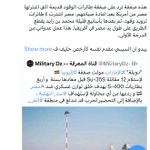
Our comprehensive efforts to sustainably ensure our country's peace and security have reached a new milestone today. The state of readiness being built within Ethiopia's defense forces is endowing the nation with the capability to preemptively deter aggression.
In accordance with our prior agreement with the Russian government, we have today taken delivery of the first twelve Su-35 4++ Generation fighter jets. Additionally, Ethiopia will receive four S-400 air defense system batteries.
I would like to express my gratitude to my friend, Russian President Vladimir Putin, for his dedication in ensuring we received these warplanes a year ahead of our agreed schedule. By equipping itself with these fighter jets, Ethiopia has taken the lead among Sub-Saharan African nations.
This historic achievement further strengthens our nation's sovereignty, and it will serve as a massive capability boost that allows us to confidently continue our journey toward ensuring our collective security and regional stability in the future.


🔴 من النيل إلى البحر الأحمر.. إثيوبيا ترسم معادلة التنمية والسيادة وتفرض حضورها في مستقبل القرن الأفريقي. 👇
تزامن ثلاثة منتديات إقليمية خلال أيام قليلة يعكس حجم التحولات التي تشهدها منطقة القرن الأفريقي وحوض النيل. ففي الوقت الذي اختتمت فيه مدينة بحر دار الإثيوبية منتدى تانا للأمن في أفريقيا، انطلقت فعاليات أسبوع القاهرة للمياه، على أن يعقبها المؤتمر العربي السابع للمياه.
انعقد منتدى تانا بين 23 و25 أكتوبر، مركزًا على السيادة الاقتصادية والتحولات الجيوسياسية ومسارات السلام في أفريقيا، بينما تستضيف القاهرة أسبوع المياه من 25 إلى 29 أكتوبر، والمؤتمر العربي للمياه يومي 26 و27 أكتوبر.
هذه ليست مجرد أجندات مؤتمرات متزامنة؛ إنها فرصة لقراءة التحول في مفهوم الأمن الإقليمي، حيث أصبحت المياه والطاقة والموانئ والممرات التجارية عناصر أساسية في حسابات التنمية والسيادة.
والسؤال الذي يستحق الاهتمام هنا: كيف تتحول إثيوبيا من دولة تدافع عن حقها في استغلال مواردها إلى قوة اقتصادية تساهم في صياغة مستقبل المنطقة؟
أولًا، لم يعد ملف النيل بالنسبة إلى إثيوبيا قضية سد واحد أو خلاف فني حول تشغيله. فسـد النهضة يمثل جزءًا من تحول اقتصادي أوسع يستهدف إنتاج الكهرباء وتوسيع الصناعة وتحسين البنية التحتية. ومن الخطأ اختزال الطموح الإثيوبي في نزاع ثنائي مع مصر، بينما القضية الحقيقية تتعلق بحق دول المنابع والمصب في تنمية مواردها وفق مبادئ الاستخدام المنصف والمعقول والتعاون المشترك.
ثانيًا، يرتبط ملف البحر الأحمر بالمعادلة الاقتصادية نفسها. فإثيوبيا تحتاج إلى منافذ تجارية مستقرة ومتنوعة تتناسب مع احتياجات اقتصادها وسكانها. والوصول البحري ليس مجرد مطلب جغرافي، بل قضية تتصل بتكاليف النقل والتنافسية الصناعية والأمن الاقتصادي. وتحقيقه عبر الاتفاقات والشراكات مع الدول الساحلية يمنح المنطقة فرصًا للتكامل بدل التنافس الصفري.
ثالثًا، يبرز السلام الداخلي باعتباره أحد أهم مقومات القوة الوطنية. فاستقرار إثيوبيا وتماسك مؤسساتها وتوسيع فرص العمل والاستثمار هي الأسس التي تتيح تحويل المشروعات الكبرى إلى مكاسب مستدامة للمواطنين.
ولا ينفصل ملف النيل عن الأمن الداخلي الإثيوبي؛ فتعزيز الاستقرار الوطني يحصّن المصالح المائية ويقوّي موقف أديس أبابا الاستراتيجي.
ومن هذه الزاوية، تكتسب استضافة إثيوبيا لمنتدى تانا دلالة تتجاوز البعد البروتوكولي. فهي تضع النقاش الأفريقي حول السيادة الاقتصادية والسلام في بيئة ترتبط مباشرة بقضايا التنمية والطاقة والاتصال التجاري.
أما مؤتمرات القاهرة، فتمثل منصات مهمة للدبلوماسية المائية، لكنها تطرح أيضًا سؤالًا لا يمكن تجاوزه: هل يمكن بناء مستقبل مستقر للنيل دون الاعتراف بالمصالح التنموية المتساوية لدول الحوض؟
الواقع أن الأمن المائي لا يتحقق بتجميد التنمية، كما أن التنمية المستدامة لا تقوم على تجاهل احتياجات الجيران. المطلوب إطار تعاون يحول النيل من مصدر للخلاف إلى أساس لشراكة اقتصادية طويلة الأمد.
وهنا تكمن الفرصة الاستراتيجية أمام أديس أبابا: أن تقدم للعالم رؤية مترابطة تجمع بين الطاقة النظيفة، والتكامل التجاري، والوصول البحري التفاوضي، والسلام والاستقرار.
فالقوة الحقيقية لا تقاس فقط بحجم الموارد التي تمتلكها الدولة، بل بقدرتها على تحويل تلك الموارد إلى إنتاج وشراكات ونفوذ اقتصادي مستدام.
إثيوبيا اليوم أمام معادلة واضحة: النيل مصدر للطاقة والتنمية، والبحر الأحمر بوابة للتجارة، والسلام أساس للاستقرار والازدهار.
ومن يقرأ هذه الملفات منفصلة يفوته جوهر التحول الجاري في القرن الأفريقي؛ أما من يربط بينها، فيدرك أن مستقبل المنطقة يتشكل عند نقطة التقاء المياه والاقتصاد والجغرافيا السياسية
🔴إن إثيوبيا لا تطالب بحق استثنائي في النيل، ولا بامتياز على حساب جيرانها في البحر الأحمر؛ بل تدافع عن فرصتها في التنمية، وعن مكانتها كشريك اقتصادي وأمني لا يمكن تجاهله في القرن الأفريقي
موسى شيخو.
#النيل #اثيوبيا #tanaforum

أيام زمان. ❤️ 💔 اثيوبيا والسودان

#السودان و #اثيوبيا زمان. 😭😭👇🏻👇🏻
نلتقيك اليوم يا وطني.. لقاء الأوفياء
قد تنادينا خفافاً.. ل
لك يا ارض البطولات وميراث الحضارات
نغني اليوم في عرس الفداء ...
ها هنا
لبعانخي ولتهراقا وللمهدي ...
لعلي عبد اللطيف ولعبد القادر ود حبوبة
للصمود العز في كرري وللموت الفدائي العظيم
نذكر الآن جميع الشهداء
كل من خط على التاريخ سطراً بالدماء
نذكر الآن جميع الشرفاء
كل من صاح بوجه الظلم لا لا
نحن ابناءك في الحزن النبيل
ونغني لك يا وطني كما غنى الخليل
مثلما غنت مهيرة تلهب الفرسان جيلاً بعد جيل ...
ونغني لحريق المكي في قلب الدخيل ...
للجسارة حينما استشهد في مدفعه عبد الفضيل...
ليلى ليلى ليلى لييييل انا آه انا آه انا آه ....
نكحل مآقينا بمرواد الصلابة
وإيمان كإيمان الصحابة
سوف نفديك دواماً
ونناجيك هياماً
فلتعش حراً أبياً
في مهابة في مهابة في مهااااااااابة
في مهااااااااااابة
فيييييييي مهااااااااااااااابة.
#حميدتي #البرهان #الجنجويد #قوات_الدعم_السريع #القوات_المسلحة_السودانية #الجيش_السوداني #الخرطوم #دارفور #الجنينة #شرق_النيل #مبادرة_جدة #الكيزان
#اثيوبيا @AbiyAhmedAli #Ethiopia #الإتحاد_الإفريقي #مجلس_الأمن_والسلم
#قحت_الذراع_السياسي_للتمرد

What Yemane Gebremeskel Left Unanswered: Detained Liberation Veterans, Indefinite Conscription, and Eritrea’s Governance Crisis
Part Two | A Critical Examination of Eritrea’s Post-Independence Record
Eritrea’s Information Minister, Yemane Gebremeskel (@hawelti), devoted his response to Prime Minister Abiy Ahmed to Ethiopia’s economic difficulties and foreign aid dependency. Yet he avoided more fundamental questions: What happened to Eritrea’s liberation veterans, its younger generations, and the promises of independence?
1. Liberation Veterans Behind Bars
One of Eritrea’s most troubling political contradictions concerns the fate of liberation leaders who helped establish the state they later found themselves imprisoned by.
In September 2001, eleven prominent members of the G-15 reform movement were arrested after demanding political reforms and accountability.
Nearly 25 years later, their fate remains officially undisclosed. Reports suggest some died in detention, although independent verification remains unavailable.
What greater contradiction than liberation heroes disappearing into the prisons of the state they helped create?
2. Indefinite Conscription and a Generation in Exile
Although #Eritrean law establishes an eighteen-month national service requirement, compulsory service frequently extends for years, sometimes decades.
Human rights organisations have documented its devastating consequences for education, employment, family life, and individual freedoms.
Prolonged conscription, economic hardship, and political repression have contributed to large-scale emigration.
How can a government promise national prosperity while restricting the freedom and productive potential of its own youth?
3. Decades of Regional Confrontation
Eritrea’s post-independence history has witnessed repeated tensions with neighbouring countries: the devastating 1998–2000 war with #Ethiopia, the 2008 confrontation with Djibouti, disputes with Sudan, and its controversial military involvement in #Tigray.
These conflicts have different causes and disputed responsibilities. Nevertheless, their cumulative human and economic consequences demand serious examination.
4. Independence Without Democratic Accountability
Since 1993, Eritrea has held no competitive national elections. President #Isaias_Afwerki remains in power, while political pluralism and independent media face severe restrictions.
National #sovereignty cannot replace institutional accountability, political participation, or citizens’ fundamental rights.
Conclusion: The Unanswered Questions
Gebremeskel demands scrutiny of Ethiopia’s economic performance while offering no comparable accounting, in his response, of Eritrea’s political and human rights record.
The central question is no longer simply what foreign powers did to Eritrea, but what its leadership has delivered after more than three decades of independence.
Liberation secured the country’s sovereignty. But what became of the liberators, the younger generation, and the promise of freedom?
History will assess leadership not merely by its victories against external enemies, but by the dignity, opportunities, and rights secured for its own people.
#Ethiopia @AmbNebiatG #Red_sea #Nile
⸻
Sources and References
Human Rights Watch — World Report 2026: Eritrea
hrw.org/world-report/2026/co…
Amnesty International — Eritrea: Repression Past and Present
amnesty.org/en/latest/campai…
Amnesty International — Eritrea Country Report
amnesty.org/en/location/afri…
United Nations — UNMEE: Historical Background
unmee.unmissions.org/en/unme…


Reading from a teleprompter on Ethiopia's TV yesterday, the Potemkin Party's Prime Minister disparages Eritrea's economic development, and particularly its manufacturing sector, as "stagnant and in decline" since its independence in 1991.
The speech/interview was also laced with his three-year old threats of war of aggression and invasion unless Eritrea succumbs to his delusional projects of "sovereign access to the sea" and "Ethiopian naval presence" in Eritrea's coastal territory; packaged this time round in different pretexts, language, and format.
To revert to his disparaging discourse on Eritrea's economic performance and potential:
1. In the past 35 years, Ethiopia was the beneficiary of a whopping 80-90 billion US dollars of international multilateral and bilateral assistance;
2. Ethiopia went through two rounds of WB sponsored debt-cancellation rounds, as well as repetitive financial bailouts from the IMF and other donors. For almost ten years in -between, Ethiopia's dire humanitarian conditions were alleviated by the international community under a customized "social safety net" and other similar "intensive care" financial antidotes.
3. The current regime itself has received over 30 billion US dollars in international assistance in the last 8 years alone. In addition, its tattering economy is being resuscitated by another IMF bailout programme to the tune of 3.1 billion US dollars.
4. And yet, as the figures below illustrate, more than 68% Ethiopians are living under extreme poverty while close to 30 million people require urgent humanitarian relief assistance at this point in time.
5. In as far as the 300 manufacturing plants that the PP leader alludes to, these were old factories built during Italy's colonization of Eritrea from 1889 until 1941. The British Military Administration dismantled many of those factories - including the dock in Massawa - as "war booty" and sold them to other foreign countries. The occupationist Haile Selassie regime, in its turn, dismantled many of the remaining factories and transferred them to Ethiopia especially during the imposed "Federation" period.
6. After its hard-won independence in 1991, Eritrea registered rapid economic growth in the first seven years (WB reports). Imposed wars and unwarranted sanctions thereafter naturally affected the pace and magnitude of its economic trajectory.
7. These externalities have nothing to do with Eritrea's open investment and economic policies and visions.
8. And in any case, Eritrea has the abundant economic endowments (blue economy, extractive industry, educated and industrious human capital, and a civilized culture that celebrates religious and ethnic diversity within robust national unity) to excel and achieve its aspirations of rapid and sustainable growth in a conducive and enduring regional climate of peace and stability.
9. Finally, Ethiopia itself could do much better, extricate itself from debilitating dependency, and use its abundant resources for real development if its leaders abandon sectarian policies of division and polarization that incubate perennial cycles of internal turmoil as well as intertwined acts of regional destabilization in pursuit of delusional and expansionist projects.


Yemane Gebremeskel and the Battle of Numbers: Can Attacking Ethiopia Conceal Eritrea’s Economic Failures?
🔴 Part One | An Evidence-Based Examination of Eritrea’s Economic Claims
Eritrea’s Minister of Information, Yemane Gebremeskel (@hawelti), responded to Prime Minister Abiy Ahmed with sweeping economic figures and accusations against Ethiopia. Yet his response leaves a fundamental question unanswered: What has Eritrea’s leadership delivered to its own people after more than three decades in power?
Poverty in Ethiopia does not demonstrate prosperity in Eritrea. Nor can Addis Ababa’s economic difficulties substitute for an independent assessment of Asmara’s development record.
1. Foreign Aid: Figures Without Context
Gebremeskel claimed Ethiopia received between $80 billion and $90 billion in international assistance over 35 years, including more than $30 billion during the past eight years.
But where is the detailed accounting?
Humanitarian relief, development grants, concessional loans, and debt forgiveness are fundamentally different financial instruments. Combining them without explaining their composition risks creating a misleading picture of government-controlled resources.
Large figures are not necessarily reliable evidence without transparent methodology.
2. Poverty: Statistics Require Verification
The minister asserted that 68% of Ethiopians live in extreme poverty.
However, the World Bank reports a poverty rate of 38.64% in 2021, measured against the international threshold of $3 per person per day.
Ethiopia undoubtedly faces serious economic hardship. Nevertheless, the minister’s higher figure requires clarification of its source, reference year, and measurement criteria.
3. IMF Financing: Accuracy Matters
Gebremeskel cited a $3.1 billion IMF rescue package.
Official IMF records show that Ethiopia’s four-year financing arrangement, approved in July 2024, was approximately $3.4 billion, with cumulative disbursements reaching $2.647 billion by July 2026.
Approved financing and actual disbursements are not interchangeable.
4. The 300 Factories: History Cannot Replace Accountability
Gebremeskel attributed Eritrea’s industrial decline to British colonial policies, Ethiopia’s imperial administration, wars, and sanctions.
These historical factors warrant examination. However, Eritrea has governed its economic affairs since independence.
The central question remains: How many industries have been established, how many sustainable jobs created, and what measurable development has occurred under Eritrea’s current leadership?
5. Development Promises Versus Measurable Results
Eritrea possesses strategic ports, mineral resources, and considerable economic potential.
Yet potential is not performance.
Credible economic assessment requires transparent statistics, investment data, employment figures, and independently verifiable development indicators.
Conclusion: The Accountability Gap
Gebremeskel has highlighted Ethiopia’s economic vulnerabilities without providing an equivalent accounting of Eritrea’s development performance.
The contradiction is unmistakable: A minister demanding accountability for Ethiopia’s foreign assistance offers no comparable explanation of his own government’s economic record.
The question is not whether Ethiopia faces challenges. It does.
The question is whether attacking Ethiopia can substitute for explaining Eritrea’s economic performance after more than three decades of independence.
Political rhetoric cannot replace measurable results, and historical grievances cannot indefinitely substitute for governmental accountability.
Part Two: Detained Independence Veterans, Indefinite National Service, Youth Migration, and Eritrea’s Regional Confrontations.
#Ethiopian @AbiyAhmedAli
@reda_getachew @GHessebon
#Asab #Asmara
⸻
Sources: World Bank, Poverty and Inequality Platform (2026); IMF, Extended Credit Facility Arrangement (July 2024); IMF Fifth Review (July 2026).
Reading from a teleprompter on Ethiopia's TV yesterday, the Potemkin Party's Prime Minister disparages Eritrea's economic development, and particularly its manufacturing sector, as "stagnant and in decline" since its independence in 1991.
The speech/interview was also laced with his three-year old threats of war of aggression and invasion unless Eritrea succumbs to his delusional projects of "sovereign access to the sea" and "Ethiopian naval presence" in Eritrea's coastal territory; packaged this time round in different pretexts, language, and format.
To revert to his disparaging discourse on Eritrea's economic performance and potential:
1. In the past 35 years, Ethiopia was the beneficiary of a whopping 80-90 billion US dollars of international multilateral and bilateral assistance;
2. Ethiopia went through two rounds of WB sponsored debt-cancellation rounds, as well as repetitive financial bailouts from the IMF and other donors. For almost ten years in -between, Ethiopia's dire humanitarian conditions were alleviated by the international community under a customized "social safety net" and other similar "intensive care" financial antidotes.
3. The current regime itself has received over 30 billion US dollars in international assistance in the last 8 years alone. In addition, its tattering economy is being resuscitated by another IMF bailout programme to the tune of 3.1 billion US dollars.
4. And yet, as the figures below illustrate, more than 68% Ethiopians are living under extreme poverty while close to 30 million people require urgent humanitarian relief assistance at this point in time.
5. In as far as the 300 manufacturing plants that the PP leader alludes to, these were old factories built during Italy's colonization of Eritrea from 1889 until 1941. The British Military Administration dismantled many of those factories - including the dock in Massawa - as "war booty" and sold them to other foreign countries. The occupationist Haile Selassie regime, in its turn, dismantled many of the remaining factories and transferred them to Ethiopia especially during the imposed "Federation" period.
6. After its hard-won independence in 1991, Eritrea registered rapid economic growth in the first seven years (WB reports). Imposed wars and unwarranted sanctions thereafter naturally affected the pace and magnitude of its economic trajectory.
7. These externalities have nothing to do with Eritrea's open investment and economic policies and visions.
8. And in any case, Eritrea has the abundant economic endowments (blue economy, extractive industry, educated and industrious human capital, and a civilized culture that celebrates religious and ethnic diversity within robust national unity) to excel and achieve its aspirations of rapid and sustainable growth in a conducive and enduring regional climate of peace and stability.
9. Finally, Ethiopia itself could do much better, extricate itself from debilitating dependency, and use its abundant resources for real development if its leaders abandon sectarian policies of division and polarization that incubate perennial cycles of internal turmoil as well as intertwined acts of regional destabilization in pursuit of delusional and expansionist projects.
لواء سابق في الجيش المصري يشترط للتضامن مع السعودية. #الجيش_المصري في #السعودية.

الفيديو ده كارثي بكل ما تحمله الكلمه من معني.
مش لان المتحدث يبقي لواء سابق بالقوات المسلحة وهو اللواء محمد عامر المغازي.
ولا لان سيادة اللواء بيأكد ان الجيش المصري اصبح جيش مرتزق يأجر بالفلوس.
الكارثه الحقيقيه انه ميعرفش ان الجيش هيتحرك بتعليمات من الملك سلمان و أبنه نظير تأجيل رد الوديعه السعودية وقدرها 5.3 مليار دولار .
تأجيل لمدة سنه واحده فقط يا سيادة اللواء ياللي مش عارف أي حاجه عن الموضوع.
ال 250 مليار اللي انت بتتكلم عنهم دول السعودية لو تملكهم حاليآ هتنهي الحرب بنصهم بدون الحاجه الي مساعدتك.
الكارثه يا جماعه ان كل ما يظهر لواء من الجيش بيطلع بيفكر بنفس الطريقه دي و يمكن أقل كمان.
علشان كده عمر مصر ما هتشوف خير تحت حكم العسكر ابدا.
ان أوان للحكم المدني الديمقراطي ان يحكم.
#اليمن_الآن
#السعودية
#اليمن_مقبرة_الغزاة
#لازم_يسقط
#يحيا_المصري_لتحيا_مصر
Musa Sheko.🇪🇹 retweeted

شيءٌ مخزٍ أن يتحدّث سيادة اللواء بلهجة التاجر والسمسار؛ فمنذ متى كان التضامن العربي أصلا بثمن؟ ومنذ متى كانت النخوة بندًا في فاتورة، ونصرة الأشقاء صفقةً تنتظر الاتفاق على المقابل؟ ثم متى قصّرت السعودية في مدّ يد العون لأشقائها، حتى يُخاطَب مقامها بهذا المنطق الذي يُضيّق معنى الأخوّة إلى حدود الربح والخسارة؟!
للسعودية في وجداننا منزلةٌ تصونها مواقفها، ولها في مساندة الاقتصاد المصري، بالودائع والاستثمارات، شواهدُ عمليةٌ على عمق الروابط بين البلدين. واستذكار هذه المواقف وفاءٌ للجميل؛ فمن حقّ اليد التي امتدّت بالعون أن تُقابَل بالتقدير، ومن حقّ الأخوّة أن تُصان من لغة المساومة.
يا سيادة اللواء، حين يُوزَن واجب النصرة بميزان السمسرة، نخسر من كرامة المعنى أكثر ممّا نحسب أننا نربح من المال. فالأوطان تجمعها مصائر، وللجندية شرفٌ يستحقّ خطابًا يليق به؛ خطابًا يُدرك أن أمن الأشقاء جزءٌ من أمننا، وأن النار إذا اشتعلت في بيت الأخ، صار إطفاؤها شأنًا يمسّ البيت كلّه.
ومصر العزيزة وجيشها أكبر من أن يختزلهما قولٌ مثل قول هذا اللواء ؛ فحفظ مكانة السعودية وصون مكانة مصر يجتمعان في موقفٍ عربيٍّ نبيل، يُعلي قدر الأخوّة ويرفض تحويلها إلى مزاد.
حفظ الله السعودية ومصر، قيادةً وأرضًا وشعبًا، وأدام عليهما عزّهما وأمنهما، وجمع كلمتهما على الخير ونصرة الحق؛ فللسعودية في قلوبنا محبّةٌ راسخة، ولمصر مكانتُها وتاريخُها في نصرة أشقائها العرب والذود عن قضاياهم. ونسأل الله أن تبقيا سندًا لأمّتهما، وأن تظلّ جسور الأخوّة بينهما أرسخ من كلّ خلاف؛ فما يجمع الأوطان من وشائج الدم والمصير، أسمى من أن تحكمه لغة الأثمان
አስመራ ከ35 ዓመታት በኋላ፤ የተዳከመ ኢኮኖሚ፣ የተሰደደ ትውልድና የታሰሩ የነፃነት ታጋዮች!
የዜና ትንተና | ጥቅምት 20፣ 2026
ጠቅላይ ሚኒስትር ዐቢይ አሕመድ በቅርቡ ስለ #ኤርትራ የተናገሩት ንግግር፣ ከተራ ዲፕሎማሲያዊ ትችት በላይ የሆነ የፖለቲካና የልማት ጥያቄ አስነስቷል። ከነፃነት በኋላ ለ35 ዓመታት የተጓዘችው ኤርትራ፣ በኢኮኖሚ፣ በፖለቲካዊ አስተዳደርና በሕዝቧ የኑሮ ሁኔታ ምን አሳካች?
በጠቅላይ ሚኒስትሩ ገለጻ፣ በአንድ ወቅት ከ300 በላይ ፋብሪካዎች የነበሯት ኤርትራ፣ ዛሬ የቀድሞ የኢንዱስትሪ አቅሟን አጥታለች። #አስመራን ከአርባ ምንጭና #ጅግጅጋ ጋር በማነጻጸር የከተማዋን የልማት ሁኔታ ተችተዋል። ምጽዋና ዓሰብም ከቀድሞ የንግድ እንቅስቃሴያቸው እጅግ መዳከማቸውን ገልጸዋል።
የኤርትራ ችግር ግን በኢኮኖሚ ውድቀት ብቻ አይገለጽም።
የነፃነት ትግሉን አብረው የመሩ ታጋዮች ዕጣ ፈንታ ራሱ ሌላው የአገዛዙ አስጨናቂ የታሪክ ምዕራፍ ነው።
በነፃነት ትግሉ ውስጥ ከኢሳያስ አፈወርቂ ጋር የተሰለፉ፣ በኋላም የፖለቲካ ማሻሻያና ተጠያቂነት የጠየቁ ከፍተኛ የመንግሥት ባለሥልጣናት፣ በ2001 ታስረው ከሕዝብ እይታ ጠፉ። በG-15 ስም የሚታወቁት እነዚህ የቀድሞ የትግል አጋሮች የት እንደሚገኙና ምን እንደደረሰባቸው እስከዛሬ በይፋ አልተገለጸም።
አንዳንዶቹ በእስር ቤት ሕይወታቸው እንዳለፈ የሚጠቁሙ ሪፖርቶች ቢኖሩም፣ የሁሉም እስረኞች ዕጣ ፈንታ በነፃ ምርመራ አልተረጋገጠም። ይህ ሁኔታ የፖለቲካ ተቃውሞን በውይይት ፋንታ በእስርና በግዳጅ መሰወር የመቆጣጠር ሥርዓት ምልክት ሆኗል።
ነፃነትን በጋራ ያመጡ የትግል አጋሮች በየት እንዳሉ መታወቅ ባልቻለበት ሀገር፣ የፖለቲካ ነፃነት ምን ያህል ቦታ አለው?
በሌላ በኩል፣ የግዳጅ ወታደራዊና ብሔራዊ አገልግሎት የኤርትራ ወጣቶችን ኑሮ ከባድ ጫና ውስጥ ከቷል። በሕግ 18 ወራት የተወሰነው አገልግሎት፣ በተግባር ለብዙ ዓመታት መራዘሙና የሕዝቡን የሥራ፣ የትምህርትና የቤተሰብ ሕይወት ማስተጓጎሉ በዓለም አቀፍ የሰብዓዊ መብት ሪፖርቶች ተመዝግቧል።
ይህ የተራዘመ የግዳጅ አገልግሎት ለስደት ከሚገፉ ዋና ምክንያቶች አንዱ ሆኗል። ለአገሩ ልማት መሠረት መሆን የሚገባው ወጣት ትውልድ፣ የራሱን የወደፊት ሕይወት ለመገንባት ከሀገሩ መውጣትን አማራጭ አድርጓል።
የኤርትራ የውጭ ግንኙነት ታሪክም በተደጋጋሚ ግጭቶች የተሞላ ነው። ከ1998 እስከ 2000 ከኢትዮጵያ ጋር የተካሄደው ከባድ ጦርነት፣ በ2008 ከጅቡቲ ጋር የተፈጠረው የድንበር ግጭት፣ እንዲሁም ከሱዳን ጋር በተለያዩ ጊዜያት የተከሰቱ የፖለቲካና የደኅንነት ውዝግቦች፣ አስመራ ከሦስቱም የድንበር ጎረቤቶቿ ጋር ከባድ የግንኙነት ቀውሶችን እንዳሳለፈች ያሳያሉ።
ምንም እንኳን በአንዳንድ ወቅቶች የሰላምና የትብብር ሂደቶች ቢኖሩም፣ የተደጋጋሚ ውጥረት ታሪኳ የውጭ ፖሊሲዋን ውጤታማነት እንድንመረምር ያደርጋል።
ጠቅላይ ሚኒስትሩ ኤርትራ የሌሎች ኃይሎች አጀንዳ ማስፈጸሚያ ሆናለች በማለት ያቀረቡት ትችትም በዚህ አውድ መታየት ይችላል።
በእኔ ትንተና፣ ከዚህ ሁሉ የሚነሳው ዋና ጥያቄ የኤርትራ መንግሥት በውጭ ፖለቲካ ምን ያህል ተጽዕኖ አሳደረ የሚለው ሳይሆን፣ በዚያው ጊዜ ለሕዝቡ ምን ያህል ነፃነት፣ የኢኮኖሚ ዕድልና የሕይወት መሻሻል አረጋገጠ የሚለው ነው።
የነፃነት ታጋዮች ዕጣ ፈንታ የማይታወቅበት፣ ወጣቶች በተራዘመ የግዳጅ አገልግሎት የሚገፉበት፣ እና ከጎረቤቶች ጋር የተደጋጋሚ ቀውስ ያሳለፈ የመንግሥት ሥርዓት፣ በነፃነት ስም የተሰጡትን ተስፋዎች ምን ያህል እንዳሳካ መጠየቅ ግድ ይላል።
የኤርትራ ሕዝብ ለነፃነት ከፍተኛ መስዋዕትነት ከፍሏል። የዚያ መስዋዕትነት ዋጋ ግን በድንበርና በሉዓላዊነት ብቻ ሳይሆን፣ በዜጎች መብት፣ በኑሮ መሻሻልና በትውልድ ተስፋ መመዘን አለበት።
ከ35 ዓመታት በኋላ አስመራ ሊመልሰው የሚገባ ትልቁ ጥያቄ ይህ ነው፦ ለነፃነት የታገለው ትውልድ የት ነው? ለወደፊቱ መገንባት የሚገባው ወጣትስ ለምን እየተሰደደ ነው?
#ኤርትራ #ኢትዮጵያ #ቀይበሀር
@AbiyAhmedAli

فشل رهانات أسمرا وانقلاب الحسابات!
لم تكن تحذيرات رئيس الوزراء الإثيوبي آبي أحمد الأخيرة تجاه إريتريا مجرد تصعيد في الخطاب السياسي، بل رسالة تكشف عمق أزمة الثقة بين البلدين، وتعيد إلى الواجهة ملفات شائكة تتعلق بدعم الجماعات المسلحة، وتداعيات التوغل الإريتري، وتقارير التنسيق مع أطراف إقليمية مناوئة لإثيوبيا.
فحدة التحذيرات الإثيوبية توحي بأن أديس أبابا لا تعتبر التهديدات القادمة من أسمرا صفحة طُويت، بل تحدياً أمنياً وسياسياً لا يزال يلقي بظلاله على استقرار البلاد. مما يعني أن القيادة الإريترية لم تتخلّ عن سياسة استنزاف جارتها عبر الصراعات الداخلية، رغم الكلفة الباهظة التي دفعتها المنطقة جراء الحروب السابقة.
أما ملف التوغل العسكري الإريتري في شمال إثيوبيا، فلا تزال تداعياته السياسية والأمنية والإنسانية حاضرة، بما يجعل الحديث عن استعادة الثقة أمراً بعيد المنال دون معالجة جادة لهذا الإرث واحترام واضح للسيادة الإثيوبية.
وفي البعد الإقليمي، تثير تحركات أسمرا وعلاقاتها مع أطراف تختلف استراتيجياً مع أديس أبابا تساؤلات حول طبيعة الرهانات التي تقف خلف تلك التحالفات. فالعلاقات الدبلوماسية حق مشروع لكل دولة، لكن تحويلها، إلى أدوات لمحاصرة إثيوبيا أو زعزعة استقرارها سيكون مقامرة خطيرة بأمن القرن الأفريقي.
وهنا يبرز دور الراعي الإقليمي المفترض لهذه الترتيبات، الذي يبدو، وفق هذه القراءة السياسية، أنه راهن على إضعاف إثيوبيا واستثمار أزماتها الداخلية لإعادة تشكيل موازين القوى. غير أن مسار الأحداث يطرح سؤالاً محرجاً: ماذا جنت أسمرا من سياسة الرهان على انهيار الدولة الإثيوبية بدلاً من بناء علاقة مستقرة معها؟
لقد أخطأت الحسابات التي افترضت أن إثيوبيا ستظل أسيرة انقساماتها، وأن الضغوط العسكرية والسياسية كفيلة بإخضاعها. فالدول لا تُقاس قوتها بلحظات أزماتها وحدها، ولا تتحول أمنيات خصومها بالانهيار إلى حقائق لمجرد تكرارها.
أما المفارقة السياسية الأكثر إيلاماً لأسمرا، فتتجلى في انقلاب المشهد على أصحاب الرهانات ذاتها.
فإثيوبيا التي راهن خصومها على إسقاط نظامها خلال أسبوعين، تقف اليوم لتوجّه التحذيرات إلى من تصوّروا أن أيامها السياسية باتت معدودة.
وبين رهانات الأمس وتحذيرات اليوم، تبدو أسمرا أمام حصيلة سياسية محرجة: لم يتحقق الانهيار الذي راهن عليه خصوم أديس أبابا، ولم تُنهِ الضغوط أزمة إثيوبيا وفق حساباتهم.
وهكذا تنقلب المعادلة: الدولة التي أرادوا إسقاطها باتت تُنذرهم، وأسمرا التي راهنت على سقوطها تجد نفسها أمام فشل حساباتها؛ فبدلاً من أن تشهد نهاية النظام الإثيوبي، تواجه اليوم ارتداد رهاناتها السياسية عليها.
موسى شيخو / الباحث في الشؤون الإفريقية
#اثيوبيا #أسمرا #البحر_الأحمر #النيل.
@AbiyAhmedAli

رئيس الوزراء الإثيوبي آبي أحمد يقول إن اتفاق بريتوريا فشل لأن جبهة تيغراي لم تلتزم بتعهداتها، واختارت العودة إلى الحرب
#الأخبار
الأخ العزيز الأستاذ، @moashoor خالص التحية والتقدير لك، وأشكرك على اهتمامك بالشأن الإثيوبي وحرصك على أمن إثيوبيا واستقرارها.
أتفق معك في أن إثيوبيا تواجه تحديات داخلية ومصر لها نصيب ، وأن معالجة الخلافات السياسية والقومية، ووقف نزيف الدم، وتنفيذ اتفاق بريتوريا، وإطلاق حوار ، تمثل أولويات لا يجوز التقليل من أهميتها.
هل وجود مشكلات داخلية في إثيوبيا يسقط حق الباحث الإثيوبي في تحليل السياسات المصرية والسودانية وتأثيراتها على أمن بلاده؟
أنا لا أكتب دفاعاً عن آبي أحمد، ولا خصومةً مع مصر، وإنما أكتب من منظور المصالح الوطنية الإثيوبية، مع احتفاظي بحقي في نقد السياسات الإثيوبية نفسها.
لماذا يُعد تحليل الباحث المصري للشأن الإثيوبي اهتماماً مشروعاً بالأمن الإقليمي، بينما يصبح تحليل الباحث الإثيوبي للسياسة المصرية تدخلاً في شؤون الآخرين؟

الأخ موسى شيخو خالص التحية لك
اليس الأفضل لك أن تشرح لنا كيف ستحل إثيوبيا مشاكلها الداخلية وتحتوي فصيلاً وإقليماً لديه مشاكل مع الادارة المركزية حتى انه حمل السلاح
وسال الدم الإثيوبي والمشاكل العرقية العميقة داخل إثيوبيا الشقيقة
وبدلا من الاشتباكات الصحفية والسياسية مع مصر والسودان والبحث في تفسير وقراءة السياسة المصرية الإقليمية وتقديم النصح لدول عريقة هي أدرى بمصالحها وأمنها الوطني والقومي
ألا يجدر بك أن تحدثنا عن إثيوبيا اكثر وكيف يمكن إقرار السلام والتعايش السلمي ولماذا فشل آبي احمد في استقطاب عرقيات مختلفة داخل إثيوبيا
تحياتي