

She/Her 💖💜💙/💖💛💙Just trying to live everyday to the best of my ability.
Longmont
Joined May 2008
- Tweets2.8K
- Following221
- Followers266
- Likes45.1K


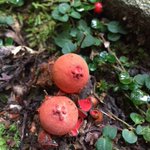


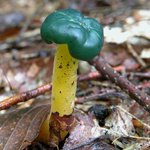
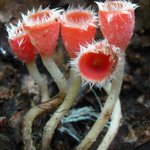
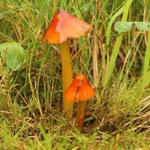


It’s #MushroomMonday! Today we look at Fistulina hepatica or the beefsteak polypore. It’s appearance is strikingly similar to raw beef when cut and it can appear to “bleed”. Though it looks like beef and is edible it can only be eaten young and has a sour, acidic taste.


It’s #MushroomMonday! This week we look at Calostoma cinnabarinum or the gelatinous stalked-puffball. The fruit if this mushroom is covered in a jelly-like material similar to the “universal veil”. This gelatinous layer is thought to protect the young fruiting body.


It’s #MushroomMonday. This week we look at Russula virescens or the green-cracking Russula. This mushroom is dry with a velvety cap that breaks up into a “quilted” pattern as it ages. It is considered to be one of the best edible Russula and said to have a nutty, sweet flavor.


It’s #MushroomMonday Today we look at Cortinarius violaceus or the violet webcap Theses mushroom smell lightly of cedar wood and form symbiotic relationships with the roots of the trees they grow on. The mushrooms gain CO2 from the trees when providing them beneficial minerals.


It’s #MushroomMonday! Today we look at Leotia viscosa or the Chicken Lip fungus. They are a type of sac fungus and their microscopic spore are borne in elongated cells or sacs called asci instead of gills. These sacs cover the outside surface of the caps.


It’s #MushroomMonday! Today we look at Microstoma floccosum. A very unique mushroom with its proportionally long stem, dense white hairs, and goblet shaped fruiting bodies. Though easily identifiable they are hard to spot standing at only 1-3cm high.


It’s #MushroomMonday. Today we look at Hygrocybe conica or the blackening waxcap.This is one of many species that turn black with age but can be easily distinguished by long lasting fruit. While most mushrooms will begin to breakdown within 24 hours these can remain for weeks.


It’s #MushroomMonday. Today we look at Psathyrella aquatica. This is first reported underwater gilled fruiting mushroom. It is primarily found growing in rivers. When releasing spores the spores stay in gas bubbles under the gills until they can reach the surface and spread.


It’s #MushroomMonday! Today we look at Clavaria zollingeri or violet coral. The branches are variable colors ranging from violet to amethyst or violet shaded from brown to red. Specimens have been found with brown outer branches and inner light violet clusters or red fragile tips


It’s #MushroomMonday! Today we look at Lysurus mokusin or the small lizards claw. This mushroom starts as an egg which ruptures as the fruiting body matures and rapidly expands. The volval remains from the egg are left behind at the base of the new fruiting body.


It’s #MushroomMonday! Today we look at Lysurus arachnoideus a species of stinkhorn mushroom. It is easily identifiable with 8-12 brittle arms radiating from the center that are made of single hollow tubes. The center is a disk holding the black slimy gleba or spore baring mass.


It’s #MushroomMonday! Today we look at Trametes hirsuta or the hairy bracket. Saprobic on hardwood trees this mushroom causes a white rot. It is an annual mushroom and is able to withstand most types of weather due to its leathery body.


It’s #MushroomMonday! Today we look at Scutellinia scutellata or eyelash cups. A saprobic species it is typically found growing on rotten wood and damp soil, but have been found in Alaska growning on humus in the tundra. Humus is a dark top soil made of decaying organic materials


It’s #MushroomMonday. Today we look at Lepista nuda or the wood blewit. These mushrooms start out a violet color before turning brown as they age. Surprising they are used dye fabric and paper a bright green by chopping up the mushroom and cooking it in a iron pot to make dyes.


It’s #MushroomMonday! Today we look at Armillaria luteobubalina or Australian honey fungus. It’s responsible for a disease know as Armillaria root rot a main cause of eucalyptus death. It reproduces through spore distribution and grows vegetatively through the roots of host trees


It’s #MushroomMonday today we look at Pleurotus eryngii or the king trumpet mushroom. This is the largest species of the oyster mushrooms, and unlike other pleurotus ,which grow on decaying wood, P. eryngii are a weak parasite that grow on herbaceous plants.


