

Burgenlandkreis
Joined February 2014
- Tweets166
- Following103
- Followers14
- Likes206




Stefan Persich retweeted

I've set up a server building and checking Levent Alpöge's claimed GRH proof in Lean. You can track my build status live here: mathbb.app/grh
Other people appear to be closer to finishing their own independent checks, but man, it's fun to be participating in this historic moment!

Stefan Persich retweeted

Studierende, die kaum lesen. Sparzwang und KI-Krise: Die gewaltige Fortschrittsmaschine namens Universität ist kaputt. Lässt sie sich noch reparieren? trib.al/25tTVsm

Stefan Persich retweeted

Ein deutscher Mittelständler liefert jetzt die Fabrik für Musks Dyson-Schwarm
SINGULUS TECHNOLOGIES aus Kahl am Main hat gestern einen Liefervertrag mit SpaceX unterzeichnet: eine schlüsselfertige Produktionslinie für Heterojunction-Solarzellen, erste Linie im ersten Halbjahr 2027, hochskaliert auf über 100 Gigawatt (!!!) Produktionsausrüstung.
Starmind ist die geplante KI-Satellitenkonstellation von SpaceX. Rund eine Million Satelliten, hundertmal größer als Starlink, die als verteilte Rechenzentren im Orbit arbeiten.
"a first step towards becoming a Kardashev II-level civilization, one that can harness the sun's full power".
Musk rechnet mit 100 Kilowatt pro Satellit und einer Megatonne Satelliten pro Jahr, das ergibt 100 Gigawatt zusätzliche KI-Leistung jährlich. Genau diese 100 Gigawatt stehen jetzt im Vertrag mit SINGULUS.
Zur Einordnung: Deutschland hat in rund 25 Jahren Energiewende etwa 100 Gigawatt Photovoltaik installiert. Das soll diese Linie jährlich an Zellen fertigen. Nicht für irgendwelche Dächer. Für den Orbit.
Das ist eine gute Nachricht!
Hier hat ein deutscher Mittelständler verstanden, wohin die Reise geht, lange bevor es in den Mainstream Medien Konsens ist.
Während Berlin über Netzanschlüsse diskutiert, schießt Unterfranken die Zukunft mit in den Orbit.
Das Know-how ist da. Die Entscheidungsfreude im Mittelstand auch.
Gefertigt wird damit allerdings in Bastrop, Texas. Und finanziert hat SpaceX seinen Lieferanten gleich mit, im März dieses Jahres und noch einmal im Oktober über ein nachrangig besichertes Darlehen.
Deutschland liefert die Anlagen für den Dyson-Schwarm und diskutiert zu Hause über Netzentgelte.

Stefan Persich retweeted

Krass, das ist keine Zukunftsmusik mehr, das läuft schon in chinesischen Klassenzimmern.🤯
Was die neue KI-Maschine an Schulen kann, 5 Sachen:
1. 50 Klausuren in 5 Minuten. Scannen, bewerten, benoten, ganze Klasse handschriftlich, alles drin.
2. Echte rote Tinte, direkt aufs Papier. Korrekturen und Noten werden auf die Schülerblätter gedruckt.
3. Nicht nur richtig oder falsch. Sie findet den einen Schritt, wo du in Mathe verkackt hast.
4. Feedback zu Aufsätzen. Checkt, ob der Text zusammenhängt, und schreibt pädagogische Notizen dazu.
5. Kein Testlauf mehr. Die Spark M50 läuft einfach im Alltag in tausenden Schulen.
Die Frage ist nicht mehr, ob KI Lehrer supporten kann. Sondern was vom Unterrichten überhaupt noch beim Menschen bleibt.
Stefan Persich retweeted

El MIT ha presentado un informe histórico, que suscribo, elaborado por su Comité Ad Hoc, sobre el uso de la IA en la enseñanza, el aprendizaje y la formación en investigación, en el que propone una reorganización profunda de su modelo académico/educativo ante el avance de la IA generativa, entre lo que destaca, entre muchos otros aspectos:
– Diseño inverso (Backward Design): Se insta a los profesores a definir primero qué deben saber, comprender y valorar los estudiantes, para luego decidir en qué puntos específicos la IA suma o resta al aprendizaje.
– Enfoque de aumento, no de automatización: La meta no es prohibir la IA, sino rediseñar los programas y cursos para que la tecnología apoye el pensamiento crítico sin permitir la rendición cognitiva (cuando los estudiantes recurren a la IA antes de intentar resolver por sí mismos un problema difícil).
– Nuevos métodos de evaluación: Se desaconseja el uso de detectores de IA, por considerarlos poco fiables y propensos a generar desconfianza. En su lugar, se propone un mayor uso de exámenes orales, evaluación continua, proyectos prácticos, portafolios con revisiones presenciales y componentes sociales en cada área temática.
El informe propone 8 principios medulares para guiar la integración de la IA generativa en la educación superior:
· Sé humilde (Be humble): Reconocer que el ritmo del cambio tecnológico es demasiado rápido como para establecer reglas permanentes, lo que requiere flexibilidad constante.
· Sé audaz (Be bold): Afrontar la situación de forma proactiva mediante el rediseño profundo de los planes de estudio, en lugar de aplicar parches defensivos.
· Pon a la humanidad en el centro (Put humanity front and center): Priorizar las relaciones interpersonales, el florecimiento humano y el valor de la educación residencial (de humanos enseñando a humanos).
· Sumérgete en el aprendizaje / Preserva el esfuerzo constructivo (Lean into learning): Entender que el esfuerzo cognitivo y la dificultad son esenciales para aprender; obtener una respuesta rápida de una IA no equivale a adquirir conocimiento.
· Enseña con intencionalidad (Teach with intentionality): Diseñar las clases con propósitos claros, evitando tanto las prohibiciones reflexivas como los mandatos ciegos de la IA.
· No hay una solución única para todos (No one size fits all): El nivel de formación importa; una política o herramienta adecuada para un doctorando puede resultar perjudicial para un alumno de primer año que aún está construyendo sus bases conceptuales.
· Aumentación, no automatización (Augmentation, not automation): Utilizar la IA para elevar el nivel de los problemas que un estudiante puede resolver (potenciar el pensamiento), en lugar de delegar por completo la capacidad humana de pensar.
· Piensa más allá del aula y del campus (Think beyond the classroom and the campus): Considerar el impacto de la IA en el desarrollo integral de los estudiantes como personas y ciudadanos en el mundo exterior.
PUEDE LEER EL REPORTE EN INGLÉS EN: bpb-us-e1.wpmucdn.com/sites.…

Stefan Persich retweeted

Auch an deutschen Unis müssen Unterricht und Prüfungen auf KI umgestellt werden. Der MIT Vorschlag ist sehr gut durchdacht. Mündliche Prüfungen, Einzelprojekte, Prüfung von Verstehen statt Ergebnis, sozialer Prüfungsteil. Wir brauchen jetzt schnell flächendeckende Studienreformen. Dienst nach Vorschrift oder Softwarelösungen sind Murks

El MIT ha presentado un informe histórico, que suscribo, elaborado por su Comité Ad Hoc, sobre el uso de la IA en la enseñanza, el aprendizaje y la formación en investigación, en el que propone una reorganización profunda de su modelo académico/educativo ante el avance de la IA generativa, entre lo que destaca, entre muchos otros aspectos:
– Diseño inverso (Backward Design): Se insta a los profesores a definir primero qué deben saber, comprender y valorar los estudiantes, para luego decidir en qué puntos específicos la IA suma o resta al aprendizaje.
– Enfoque de aumento, no de automatización: La meta no es prohibir la IA, sino rediseñar los programas y cursos para que la tecnología apoye el pensamiento crítico sin permitir la rendición cognitiva (cuando los estudiantes recurren a la IA antes de intentar resolver por sí mismos un problema difícil).
– Nuevos métodos de evaluación: Se desaconseja el uso de detectores de IA, por considerarlos poco fiables y propensos a generar desconfianza. En su lugar, se propone un mayor uso de exámenes orales, evaluación continua, proyectos prácticos, portafolios con revisiones presenciales y componentes sociales en cada área temática.
El informe propone 8 principios medulares para guiar la integración de la IA generativa en la educación superior:
· Sé humilde (Be humble): Reconocer que el ritmo del cambio tecnológico es demasiado rápido como para establecer reglas permanentes, lo que requiere flexibilidad constante.
· Sé audaz (Be bold): Afrontar la situación de forma proactiva mediante el rediseño profundo de los planes de estudio, en lugar de aplicar parches defensivos.
· Pon a la humanidad en el centro (Put humanity front and center): Priorizar las relaciones interpersonales, el florecimiento humano y el valor de la educación residencial (de humanos enseñando a humanos).
· Sumérgete en el aprendizaje / Preserva el esfuerzo constructivo (Lean into learning): Entender que el esfuerzo cognitivo y la dificultad son esenciales para aprender; obtener una respuesta rápida de una IA no equivale a adquirir conocimiento.
· Enseña con intencionalidad (Teach with intentionality): Diseñar las clases con propósitos claros, evitando tanto las prohibiciones reflexivas como los mandatos ciegos de la IA.
· No hay una solución única para todos (No one size fits all): El nivel de formación importa; una política o herramienta adecuada para un doctorando puede resultar perjudicial para un alumno de primer año que aún está construyendo sus bases conceptuales.
· Aumentación, no automatización (Augmentation, not automation): Utilizar la IA para elevar el nivel de los problemas que un estudiante puede resolver (potenciar el pensamiento), en lugar de delegar por completo la capacidad humana de pensar.
· Piensa más allá del aula y del campus (Think beyond the classroom and the campus): Considerar el impacto de la IA en el desarrollo integral de los estudiantes como personas y ciudadanos en el mundo exterior.
PUEDE LEER EL REPORTE EN INGLÉS EN: bpb-us-e1.wpmucdn.com/sites.…
Stefan Persich retweeted

Published on Terence Tao’s blog: Mathematics has changed. Let’s act like it.
this is a guest post by Frank Calegari, saying mathematicians need to stop treating AI as existential threat and start rethinking what makes a good mathematician.
“Choosing worthwhile problems may end up mattering more than producing proofs.”
his suggestion for the way forward:
> evaluate all math work as if AI-generated
> math hiring should be based on vision and understanding rather than number of papers
> fewer but better papers need to be published
> train mathematicians to explore more ambitious problems
in a section named “the ugly truth” he writes how some mathematicians are rushing to publish AI papers without developing a deeper understanding of math: “there is quickly becoming a gulf between the ability to produce novel proofs and the ability to either demonstrate understanding or push the subject in new and interesting directions.”
he’s critical of OpenAI’s recent papers but the overall message is actually optimistic:
AI could free mathematicians from spending years to prove individual conjectures and let them explore problems that were previously out of reach.
this is the way to go.

Rank 242 - moving up and down, just a few hubdrets more to go. 🤦♂️ #kaggle - kaggle.com/competitions/goog…

1
34
Huge thanks to Grok for the incredible help! Currently sitting at rank 45 and climbing—just a few more spots to go. #GoogleQuantum AI - Verifiable Quantum Circuit Challange #Kaggle #GrokBot #ElonMusk 🚀📈✨
1
32
Good but not good enough 🫣
Rank 534. A small price to pay for my social life. #kaggle - kaggle.com/competitions/goog…
1
32
Stefan Persich retweeted

"Mehr als tausend Mathematiker verpflichten sich, keine KI in ihren Forschungen einzusetzen, um die Mathematik als eine erfüllende menschliche Tätigkeit zu bewahren sowie die Zukunft akademischer Karrieren"
Dumm. Geschichtlich ungebildet. Wie ein Weber, der 1785 ohne mechanischen Webstuhl weiterarbeiten wollte.
Mathematiker, die in 5 Jahren noch einen Job haben wollen, müssen KI nutzen, um ihre Fähigkeiten zu potenzieren.
Stefan Persich retweeted
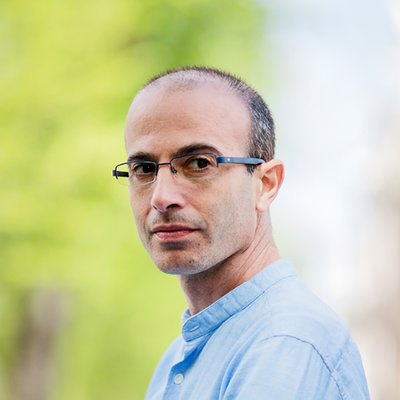
"We are the cows of the future... Just as cows can't understand the financial system that controls their lives today, we will not be able to understand the AI financial system that will control our lives in 10 or 20 years."
Watch the whole conversation with @DanielStach for @hpcivilizace on @Vedact24 here: bit.ly/YNH-HPC
Stefan Persich retweeted

As a German living abroad and looking at things from outside the German media bubble, it’s tough to watch such a great nation hold itself back like this.


Stefan Persich retweeted

a computer scientist that sees human brains as...
*checks notes*
a computer.
what a surprise. 🙄


Stefan Persich retweeted

We are offering 10,000 scientists the highest usage tier in Google Antigravity free of charge for 6 months. Please apply! forms.gle/WvmBbPvRbpKG1BPn9


Stefan Persich retweeted

Another "coincidence", like the one that happened to Tristan Buckmaster with the solution of the Navier-Stokes problem? Except now it's in biology: Did Anthropic’s A.I. Really Make a Scientific Discovery on Its Own? nytimes.com/2026/09/27/scien… via @NYTimes


We're giving away a CONTROL Resonant custom wrapped NVIDIA GeForce RTX 5080 to celebrate its official release with #RTXON.
To enter:
🟢 Share this post
🟢 Comment #RTXON
T&Cs: nvda.ws/4z24Gcq

11