

We exist to advocate, raise awareness and develop innovations to achieve a #zerowaste society #sustainablelifestyle
University of Ibadan
Joined February 2019
- Tweets230
- Following87
- Followers83
- Likes312







Pick It, UI retweeted

We are saying it nicely this time. Please, check your mails.
We have something waiting for you if you filled our form.
#ClimateLearn

Pick It, UI retweeted
Looking forward to an interesting conversation with @PickIt_UI on how food impacts climate change and vice versa, tomorrow by 5pm (WAT).
Set a reminder and make plans to join us 😊
#climatelearn
#foodandclimatechange

Pick It, UI retweeted

Nuggets from @Laoluexpress' Bootcamp session on Upskilling as an entrepreneur 💪🏿
🌠As an entrepreneur, certificates don't matter. The applicability and usefulness of your skills are what matters.
🌠How good, practical and relatable your skills are is what's important

The long wait is over! We are set to host amazing facilitators today🤩
Olaoluwa Oluwasola
Upskilling as an Entrepreneur💪🏻📈
🕒 11:00AM WAT
Kehinde Muraina
Ideation and Pitch: A Human Centred Approach🎤
🕒 4:00PM WAT
Click the link below to get started.
bit.ly/JoinHultPrizeUIBootca…

Pick It, UI retweeted
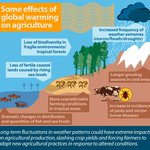
Gas flaring - the practice of burning off the gaseous by-products of crude oil production - is a major source of Nigeria's greenhouse emissions.
The country has pledged to end gas flaring by 2030, however, a similar target for 2020 was not met.
#ClimateLearn
#ClimateChange

Pick It, UI retweeted
The Paris Agreement is aimed at strengthening the global response to climate change while increasing the capacity of countries to adapt to its impacts.
Click below to read its key points. 👇🏽
unfccc.int/process-and-meeti…
🤝Together we can do much! 🤝
#ClimateLearn
#ClimateChange

Pick It, UI retweeted

#EndSARS #SARSOUT #SARSMUSTEND #EndPoliceBrutalityInNigeria
@BBCNews
@cnnbrk
@TheDailyShow
@FoxNews
@FOXTV
@FoxBusiness
@FoxNews
@espn
@ESPNPR
@AriseTVAmerica
@nytimes
@NYDailyNews
@nypost
@AlJazeera
Help us!!! This is what we go through Daily 😭
Tweet and retweet
Pick It, UI retweeted

Treasure Nduka was reportedly arrested by the police during the #SURULEREPROTEST.
#SARSMUSTEND #EndPoliceBrutalityinNigeria


Pick It, UI retweeted

This is an early warning! Be careful of Abuja Meetings. On Jan 19th, 2012, Labour leader went to Abuja for a meeting with then President, while the rest of us were “occupying Nigeria”. By midnight on that Sunday, NLC called of strike/protests and military deployed. #SARSMUSTEND
Pick It, UI retweeted

Together, we hope this shall end and we would build a country that works.
#SARSMUSTEND
#EndSARS
Pick It, UI retweeted
We are saddened by the gruesome stories of police brutality in Nigeria 🇳🇬.
This is why we have delayed posting contents about the circular economy.
What can we all do?
It's simple, speak out against police brutality on whatever platform you choose. It affects all of us.
Pick It, UI retweeted
1. Producing durable clothing through circular design. We get to keep our favourite jackets, jeans or the top you wore on your first date for a long time.
Pick It, UI retweeted
Transitioning to a circular fashion allows us to reduce overproduction, making only what we need.
We also benefit from the circular model, as it meets our needs by:
Pick It, UI retweeted
Through circular design, clothes are made using safe and renewable inputs.
Clothes are kept in their most valuable form and are used for as long as possible through different loops (resale, rentals, subscription, repair, sharing)
Image Credit: mochni.com

Pick It, UI retweeted
3. Access to vintage and luxury items through rentals. We could access clothing straight from the runaway from our favourite designers without having to empty our pockets or breaking the bank.
Pick It, UI retweeted
2. Unlimited styles through subscription, rentals, resale options - enabling us to change our wardrobe as often as we need without creating wastes.
Pick It, UI retweeted
"The future of fashion is circular. It has to be"
- Stella McCartney
Think timeless, longevity, sustainability and ethical.
Yes, that's the future!
🧵
Pick It, UI retweeted
Should we rethink the way we make our clothes?
#circulareconomy
Pick It, UI retweeted
Cheap fashion is definitely not cheap at all, we are all paying for it.
#circulareconomy
Pick It, UI retweeted
Another consequence of making clothes from synthetic materials is that while washing we release microfibers in the waterways.
Every year, an equivalent of 50 billion plastic bottles into oceans.