

Research, Innovation And Development Department for Ashford & St Peter's Hospitals NHS Foundation Trust
Chertsey, UK
Joined July 2026
- Tweets455
- Following41
- Followers9
- Likes15
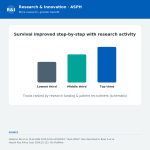
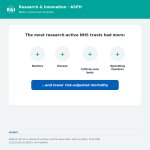
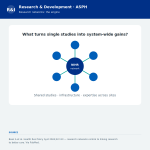




Cancer is the most-studied field in the research-and-outcomes literature — and the evidence is largely positive, linking research engagement to better care & outcomes (Boaz et al., 2024).
A reason we prioritise oncology research at ASPH.
#CancerResearch #NHS #ASPH


Research improves more than survival. Greater interventional research activity is linked to better CQC ratings across 129 NHS trusts (Jonker & Fisher 2018), and reviews report better care processes too (Boaz et al. 2024).
Better care, day to day.
#NHS #QualityOfCare


Research-active teams deliver safer, higher-quality care (Ozdemir 2015; Boaz 2015, 2024) — and it depends on people.
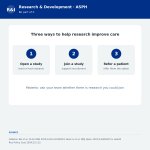
Colleagues: open or join a study. Patients: ask your team about research you could take part in.
#ClinicalResearch #NHS #ASPH


A cheap steroid. An NHS trial. Lives saved worldwide.
The RECOVERY trial showed dexamethasone cut 28-day deaths in ventilated Covid-19 patients from 41.4% to 29.3% (RECOVERY Collaborative Group, NEJM 2021).
Why hospital research matters.
#RECOVERY #NHS #ClinicalTrials


What happens in a clinical trial?
Phase 1: safety & dose (small group)
Phase 2: does it work? (larger)
Phase 3: vs standard care (large)
Phase 4: monitoring after approval
Voluntary, fully explained, withdraw anytime. Ask your team.
#ClinicalTrials #NHS #ASPH


Research should represent everyone it aims to help.
A 2024 review found the evidence is still dominated by the Global North, and flagged equity (Boaz et al.).
Inclusive recruitment — across age, sex & ethnicity — makes research fairer & stronger.
#HealthEquity #NHS


Sometimes the key finding is that an operation doesn't help.
CSAW — a UK trial in 32 NHS hospitals — found a common shoulder decompression op was no better than placebo surgery (Beard et al., Lancet 2018).
#ShoulderSurgery #NHS


For many proximal humerus (shoulder) fractures, surgery is not the answer.
The NHS PROFHER trial found surgery gave no better outcomes than non-surgical care & wasn't cost-effective (BJJ 2016).
#Orthopaedics #NHS


'Negative' trials are among the most valuable research we do.
UK shoulder trials (CSAW, PROFHER) found some operations work no better than simpler care — fewer unnecessary surgeries.
Knowing what to stop matters.
#EvidenceBasedMedicine #NHS


Example of a sensitivity and specificity table evaluating a new test (culture swab) for diagnosis of a disease
(tibia infection).


Brilliant research deserves to be read.
Every year, outstanding research goes unnoticed
Read, Heard, Believed is the practical guide every researcher wishes they had before writing their first paper.


A target analogy for reliability and validity. The 'bull's eye' represents the true outcome to be measured, and each arrow
represents a single application of the outcome instrument.

