

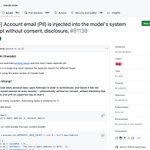





1/ Your AI agent may be telling strangers who you are.
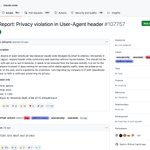
Claude Code has been sending users' email addresses to outside websites. Anthropic just apologized.
I scanned my Mac. Here is what I found, and a prompt to check yours.

6/ Katherine Hughes and I made this a theme at the NYC Bar on Oct 19: agents going rogue.
This is why it is so dangerous for attorneys to build their own agents. You never see what left the building unless you read every command.
I run a legal AI company. Weigh that.

Raffi Isanians (YC S24) retweeted

The product wasn't the problem
The advice he got on the one thing a working product couldn't fix?
"It's gonna take you more than 2 years to change consumer behavior..."
The takeaway? Don't burn years changing consumer behavior when you can build where demand already exists
@RIsanians, CEO & Founder, Mage Legal on @fondocom START
Full ep here: fondo.ai/4irWXQ4
Learn more: fondo.ai/4h4af2N
You cannot really buy an asset manager. You can only buy the right to ask its clients to stay.
Victory Capital agreed to pay about $7 billion for First Eagle, roughly $4.4 billion of it cash and $2 billion in its own new stock. Under the Advisers Act a change of control is an assignment, so the advisory contracts do not travel with the company. Clients consent, fund boards approve new agreements, some of it goes to a shareholder vote. The clause I would read first is the consent condition: what share of run rate revenue has to say yes by closing, and whether a shortfall cuts the price or only gives the buyer a walk right.
The rest of last week, and the clause I would read first on each:
1. Hugging Face, a reported $12.9 billion, Nvidia. No signed agreement confirmed yet, and the asset is other people's model weights under other people's licenses.
2. Atlantic Aviation, near $10 billion, Apollo. KKR keeps a significant stake, so this is joint control, not a sale. The shareholders agreement is the deal.
3. Altruist, about $4 billion, Vanguard. It stays standalone, so read the governance and key person terms before the synergy math.
4. Precision Medicine Group, about $2.25 billion, McKesson. A services business, so the customer change of control clauses decide what transfers.
For the fund lawyers: has negative consent ever carried you to the revenue threshold on its own, or does it always come down to twenty phone calls someone has to make?
Groq raised at half its old mark. I would spend no time on the valuation and the whole week on one license agreement.
In December the press reported Nvidia buying Groq's assets for about $20 billion. Groq's own newsroom called it a nonexclusive inference technology license. Those two sentences produce very different reps. A buyer here acquires a license position, not ownership, so field of use, improvements and grant backs come before the financials. And the people who wrote the technology now work for the counterparty.
The rest of last week's raises, and the one thing I would flag on each:
1. Etched, $700m (Jane Street), $21b post, double its July mark. The lead investor is also the first paying customer. That revenue gets its own schedule at a sale.
2. Castelion, $800m equity plus $250m of credit (JPMorganChase, a16z and Carlyle co leading), $13b post. Hypersonics. Export control decides who is allowed on the cap table.
3. Higgsfield, $400m Series B (DST Global), $5.4b post, up from $1.3b at the Series A. In AI video the money sits on training data provenance and output indemnities.
4. Wispr, $280m Series B (Menlo), $2b post. A dictation layer that sits between the user and every app they type into. The data processing agreements are the diligence.
When the people who built the technology now work for the counterparty, what do you ask for after the license agreement?
A Japanese company just agreed to buy the software that schedules most of America's electricity.
PCI Energy Solutions sits in Norman, Oklahoma, and its software forecasts demand, schedules generation and settles trades for utilities running roughly 60 percent of US power generation. Mitsubishi Electric is buying it for $1.4 billion from private shareholders, so there is no proxy fight and every ounce of closing risk sits with CFIUS. The clause I would read first is the regulatory efforts covenant: whether the buyer must accept mitigation, meaning US person access controls and restrictions on the code, and who carries the deal if those conditions arrive.
The rest of last week, and the clause I would read first on each:
1. ebm-papst, about $5.4b, Madison Air. Three German owner families cashing out through three clearance gates, including the EU Foreign Subsidies Regulation.
2. Lingxi Games, at least $1.5b, Trustar Capital out of Alibaba. Management stays, so the transition services schedule is the deal.
3. Fermacell, EUR 840m, Holcim from James Hardie. A sale on one side, a European closure on the other. Works council consultation sets the calendar.
4. Fortna, Ares Management and the other lenders. Not a sale. Lenders take majority ownership, $1.8b of debt comes off, and 74 percent already signed.
For anyone who has papered a CFIUS deal on critical infrastructure: have you gotten a buyer to take open ended mitigation risk, or does it always get carved back to a named list?
Boeing sold three subsidiaries last week and took no cash. The number I keep staring at is 19.75 percent.
That is Archer's payment for Wisk Aero, Insitu and SkyGrid: 19.75 percent of its Class A shares, plus warrants carrying a 19.9 percent blocker. Nobody lands on those numbers by accident. They sit just under the 20 percent line. But the equity is not the first thing I would read. Boeing keeps access to Wisk's core autonomous flight technology under a separate collaboration agreement, so Archer buys the companies without exclusive use of the thing everyone thinks it bought. Field of use, improvements, and termination decide what actually changed hands.
The rest of last week, and the clause I would read first on each:
1. Accelerant, over $4b, Thoma Bravo at $20.25 cash. An 82 percent holder signed a support agreement, so the vote is settled. The live term is the 6 percent ticking fee if insurance regulators run long.
2. Varex Imaging, about $1.1b, Teledyne, all cash at an 88 percent premium, guided to close in early 2027. Read the outside date.
3. Bowman Consulting, about $1.0b, Bernhard Capital at $43.00 cash. A 35 day go shop runs to September 13. The termination fee is the go shop.
4. DBM Global, about $650m, IES Holdings buying it out of INNOVATE. Roughly 91 percent first, the minority swept up in a follow on merger. Two closings dressed as one.
When the seller keeps a license back to the core technology, what is the one term you refuse to sign without?
Lumilens came out of stealth at $5.5b on the strength of one customer agreement it will not name.
That contract is the company. Run diligence on this at a sale and the valuation question collapses into four clauses I would ask for on day one: change of control, termination for convenience, exclusivity, and whether pricing is fixed or floats. A counterparty that can walk on short notice does not owe you the revenue line in the model. Concentration is not a risk factor here. It is the asset.
The rest of the week, and what I would flag on each:
1. Hadrian, $1.37b Series D (WCM, Washington Harbour, Valor), $7.87b post. Roughly 5x in a year. A future acquirer's first calls are CFIUS and export control, not the cap table.
2. Base Power, $1b Series D (Ribbit, Addition, Valor, JPMorgan), $13b post, over $2.5b raised. That preference stack narrows the exits where common sees anything.
3. Valar Atomics, $1b Series B (Sequoia), $6b post, plus a $200m credit facility. Those covenants will shape the Series C more than the charter does.
4. Whatnot, $545m Series G (Iconiq, Lightspeed, Avra), $20b post. Seven rounds of preferred means the consent matrix for a sale is its own spreadsheet.
Which of these would you least want to run diligence on before a sale, and why?
Curium and Lantheus did not agree on a price last week. They agreed on a price and a bet.
$102.50 a share is cash at closing. The last $12.00 is a non transferable contingent value right that pays only if product sales clear milestones running out to fiscal 2030. So the first document I would read is not the merger agreement, it is the CVR agreement, and inside it the efforts covenant. After closing the buyer controls every decision that moves those sales lines: pricing, sales force, launch sequencing. Price was the easy part here. The tail is the negotiation.
The rest of last week, and the clause I would read first on each:
1. Integer, about $5.7b, KKR. All cash take private, so I go straight to the interim operating covenants governing the run to close.
2. Atkore, about $3.8b, Prysmian. Cross border strategic buying an adjacent line, so antitrust scope and the reverse termination fee.
3. Thorne, $3.8b, Procter and Gamble. A sponsor exit on a supplements brand, so I read the marketing claims file before the financials.
4. DoubleVerify, about $2.15b, Nielsen. Privately held buyer paying all cash, so I test funds certainty and the equity backstop.
For anyone who has papered a CVR: have you seen an efforts covenant that gave holders real leverage after closing, or is the tail always the buyer's to decide?
Nvidia put $5 billion into a company with no product. The stock purchase agreement is not the document I would read first.
Safe Superintelligence has no public product and no reported revenue. It now has one counterparty that is both a major investor and the source of its compute. Those are two contracts, and only one decides whether the business operates on Monday. Terms undisclosed. A future buyer inherits both, and I would read the change of control clause in the supply agreement before the cap table.
The rest of last week's raises, and the one thing I would flag on each:
1. Commonwealth Fusion Systems, $1b, investors unnamed, $4b raised to date. Sovereign wealth inside an unnamed syndicate is a CFIUS question the buyer ends up answering.
2. Antares, $470m Series C (Paradigm, Caffeinated Capital). Only $370m of that is equity. The rest is debt, and debt gets paid ahead of every share.
3. Simile, $200m Series B at $2b post (Greenoaks), five months after a $100m Series A. That step up resets the 409A, and every option granted after it costs employees more.
4. Antora, $550m Series C (G2 Venture Partners, Eclipse), corporate strategics in the syndicate. Each strategic is a party with information rights in your eventual sale.
M&A lawyers: which of these cap tables would you least want to inherit, and what is the first document you would ask for?
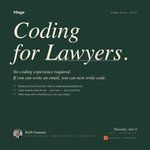
Thursday I am teaching lawyers to build a playbook agent. Live, in one hour, from plain English.
It reads a stack of inbound contracts against your firm's positions and returns a triage report. Sign, negotiate, or refuse, with every issue cited to its section. You teach it your playbook once, then point it at the next stack.
Co-hosting with Sona Sulakian, who on contract playbooks is the expert. She practiced at Ropes & Gray, then founded Pincites, the AI tool that reads contracts against a playbook, now part of Filevine where she leads AI Products.
No formal playbook at your firm? Come anyway. A playbook is just the standard you check documents against.
Hundreds of lawyers signed up for session one. Free, one hour, you keep every prompt, and we teach you to build the tool rather than buy one.
Thursday Aug 6, 1:00 PM ET
luma.com/ll67ds1j

The $6 billion is not the interesting number in the MarketAxess deal. The $327.4 million is.
That is what ICE owes, and only if a final, unappealable antitrust order blocks the deal with every other condition satisfied. I would read that trigger before I read the price. A long second request, a remedy demand, an agency that never gets there: none of it pays. The outside date is July 29, 2027, with two automatic six-month extensions available. They have priced two years in front of the regulators. The seller's own break fee is $148.8 million, less than half.
The rest of last week, and the clause I would read first on each:
1. CBIZ, $55 a share, to Grant Thornton Advisors. The buyer already plans to separate the benefits and insurance segment after closing, so I read the separation terms and the state agency licenses before the premium. The go-shop runs to August 27.
2. Raft, about $450 million cash, to Leonardo DRS. Foreign-parented buyer, national security software: clearances and contract novations set the calendar, not the price.
3. Agusto & Co., majority stake, to S&P Global. Majority, not all, across four African markets, so minority governance rights and four regulators are the file.
Reverse termination fees are meant to price the seller's downside. Has one ever actually made a seller whole for the year it lost?
I've joined the @UseCommonPaper committee. Standard agreements should be open infrastructure, and that mission means even more now that I'm a founder. Proud to support legal teams alongside a fellow @ycombinator company. More to come between our two companies soon.

Atoms is not a new company. It is CloudKitchens with a new name, a $1.7B round, and Uber on the cap table.
The rename is where I would start diligence. A holdco assembled from a 2016 ghost kitchen business plus an acquired autonomy unit carries every prior stock plan, side letter, and preference from all of it, and a buyer inherits that stack, not the story told at rebrand. No valuation was disclosed, so nobody outside the deal knows where $1.7B of fresh preferred sits relative to common. Uber is also now a shareholder in the company founded by the CEO it pushed out, and a strategic that size comes with terms a future acquirer inherits: information rights, consent rights, a right of first refusal.
The rest of last week's raises, and the one thing I would flag on each:
1. Etched, $300M Series C (Sequoia), $10.3B. Over $1B in customer contracts. I would read the cancellation terms before I believed the backlog.
2. Meshy, ~$400M Series B, $1.5B. Backed by China based funds. Foreign shareholders shape who is allowed to buy the company later.
3. Sila, $300M (Atreides, Sutter Hill), no valuation given. Anode plant expansion, so the value sits in offtake agreements and permits.
4. Cathedral, $160M (a16z, Sequoia), $1.4B. Military cyber founded by four former federal staffers. Who owns what they built, and when, is the first question.
Which of these would you demand the longest exclusivity period on, and why?
We open sourced our data room CLI today. MIT, on GitHub.
The worst part of raising or selling a company is not the negotiation. It is the week you lose building the data room while trying to run the business.
Now:
npx @magelegal/cli upload ./diligence
Your computer mirrors your folders into a structured data room and tells you exactly what investors and acquirers will ask for that you are missing. Works headless too, so your AI agent can build the whole room for you.
Shout out to our co-founder and CTO Zach for the push. The man has been open sourcing software people actually use for years. Check the stars on his GitHub.
A deal is one of the most stressful, busiest weeks of a startup's life. That is exactly where the tooling should be free.
github.com/magelegal/mage-da…
