

RWC-#340B is a coalition of HIV/AIDS medical providers receiving support under the Ryan White CARE Act & fighting to #Protect340B.
Washington, DC
Joined April 2017
- Tweets1.7K
- Following403
- Followers441
- Likes1.9K






Pinned Tweet
A major 340B win.
The Fifth Circuit unanimously upheld Louisiana’s contract pharmacy access law — protecting providers’ ability to serve patients through the 340B program.
Another step forward for patient access and safety-net care.

For rural patients, access to affordable medication can mean the difference between managing a health condition and going without treatment.
340B contract pharmacies help bridge critical gaps in rural health care, allowing patients to get life-saving medications close to home without traveling long distances.
Many rural health facilities lack in-house pharmacies and rely on contract pharmacy partnerships to connect patients with the medications they need. These partnerships also generate 340B savings that providers reinvest in high-quality, whole-person care. Yet pharmaceutical manufacturers are increasingly restricting 340B discounts at contract pharmacies, threatening this vital resource.
When contract pharmacy access is restricted, rural patients and communities pay the price. Reduced 340B savings can jeopardize essential services, including primary care, mental and behavioral health, mobile clinics, telehealth, and other programs that help rural communities overcome barriers to care.
Protecting 340B contract pharmacies means protecting access to affordable medications, essential health services, and quality care for rural communities.

340B savings help make care possible. Matthew 25 AIDS Services reinvests their savings to meet the unique needs of the largely rural communities they serve, providing high-quality, whole-person care.
For nearly 30 years, @matthew25aids has been dedicated to serving individuals at risk for, living with, or affected by HIV and other sexually transmitted diseases. Committed to equitable care, Matthew 25 serves everyone, regardless of identity, background, or circumstance.
The proposed @HRSAgov rebate model puts that care at risk. In their public comments, the team at Matthew 25 explains that the rebate model threatens the services that keep patients connected to treatment. Without them, “patients are more likely to miss doses, fall out of care, and experience interruptions in treatment. This would lead to loss of viral suppression, worsening health outcomes, and increased risk of transmission.
“The rebate model does not just introduce administrative complexity. It creates direct and avoidable harm to patients by undermining the systems that ensure they can access and stay on life saving medications.”
Matthew 25 AIDS Services | Henderson, KY
For more information on Matthew 25 AIDS Services, visit:
matthew25clinic.org/

On Friday, October 9, a bipartisan group of lawmakers introduced the 340B Rebate Model Delay Act, legislation that would pause @HRSAgov controversial rebate model for two years. Ryan White Clinics for 340B Access is endorsing the bill.
For more than three decades, the 340B Drug Pricing Program has enabled safety-net providers, including Ryan White clinics, to stretch scarce federal resources and provide comprehensive, life-saving care.
HRSA’s rebate model would force cash-strapped clinics to finance billion-dollar pharmaceutical manufacturers while waiting to recover savings they are legally entitled to receive. It threatens to destabilize the HIV safety net, erode hard-won gains in viral suppression, widen health disparities, and harm patient outcomes.
A rebate model would collapse the infrastructure that sustains this lifesaving care and set back our efforts to achieve high viral suppression rates, protect against new incidences of HIV, and control the AIDS epidemic.
RWC-340B urges Congress to pass the 340B Rebate Model Delay Act before the pilot takes effect this coming January.
We urge you to contact your Representatives and express your support for 340B Rebate Model Delay Act and the 340B Drug Pricing Program!
Read RWC-340B’s full statement on the 340B Rebate Model Delay Act here:
rwc340b.org/wp-content/uploa…

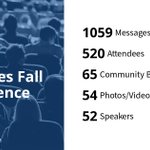
That’s a wrap on the 2026 340B Grantees Fall Conference!
We’re grateful to our attendees, speakers, and partners who came together to share insights, exchange ideas, and highlight the vital work happening every day across Ryan White Clinics and the communities they serve.
Thank you to everyone who continues to work to keep 340B strong and ensure this critical program remains a powerful resource for providing high-quality, comprehensive care to people living with HIV.
We’re proud to stand together in support of the patients and communities who depend on this work. Thank you for being a part of it!

This World Pharmacist Day, we're celebrating the pharmacists who play a vital role in making 340B work for patients.
From helping patients access their medications to providing expert guidance and compassionate care, pharmacists are an essential part of the safety-net care provided by Ryan White Clinics and other 340B providers.
Thank you to the pharmacists who show up every day to make sure patients get the medications and care they need. We’re grateful for all that you do!

A recent piece in @340B_Report highlights RWC-340B’s video campaign that brings to light the people that make 340B so effective. The first video featured @A_P_O Executive Director Lynne Meyerkord, and the important work her clinic is doing in Missouri.
The videos stand in stark contrast to PhRMA’s multimillion-dollar anti-340B advertising blitz. PhRMA is spending millions trying to portray 340B as a “goldmine” while RWC-340B is showing what 340B looks like in practice.
From rural Missouri to communities across the country, Ryan White Clinics rely on 340B to provide care, expand access, and meet the needs of people who may otherwise be left behind.
We’ll continue highlighting the people and organizations using 340B to provide high quality, affordable, whole-person care across the country.
Check out our latest video featuring Lynne and APO and read the full story from 340B Report.
340breport.com/new-phrma-ad-…

The message from Ryan White Clinics and other safety-net providers is clear: Protect patients not pharmaceutical profits.
RWC-340B’s analysis of the @HRSAgov Request for Information uncovered that comments in support of the rebate model were mainly identical, submitted alphabetically, and tied to a patient advocacy group backed by pharmaceutical manufacturers who halted their campaign after media scrutiny.
The evidence is clear - Big Pharma is lobbying for the 340B rebate pilot to protect their profit margins at the expense of patients who can least afford it. They aren’t lobbying to fix 340B, they’re actively working to gut it.
HRSA needs to listen to the people who actually see what 340B does for patients and communities, not the pharmaceutical lobby working to destroy it for profit.

In rural Missouri, access to healthcare often comes down to how far someone must travel for it. @A_P_O works to make sure distance and transportation aren't barriers to care, serving 29 counties across more than 20,000 square miles of southwest Missouri.
APO provides medical care, HIV and STI testing and treatment, case management, and health education – meeting patients where they are. Lynne Meyerkord has been part of that mission since 1987, starting as a volunteer support group facilitator, taking her first paid role in 1994, and becoming Executive Director in 1998. Nearly 40 years in, few people understand rural healthcare – or why 340B is essential to it – the way she does.
340B savings let APO stretch limited resources and provide services that would otherwise be out of reach. As Lynne puts it, "340B is critical to the survival of APO and the survival of most health centers."
A service area this size is also exactly why contract pharmacy protections matter. No single clinic pharmacy can reach patients spread across 20,000 square miles. Contract pharmacies let rural patients fill their 340B prescriptions close to home instead of driving hours for them – and when manufacturers restrict those arrangements, it's rural communities like APO's that lose access first.
Thank you, Lynne, for your steadfast commitment to protecting patients, expanding access, and strengthening rural healthcare.
While RWC-340B invests in patients, Big Pharma invests in lobbying Congress.
In the second quarter of 2026 alone, the pharmaceutical industry poured millions into lobbying efforts surrounding the 340B program. PhRMA spent $7.36 million while individual drug manufacturers like Eli Lilly, Bristol Myers Squibb, Amgen, Merck, Pfizer, and others invested millions more as debate over the future of 340B intensifies in Washington.
At the same time, @HRSAgov is advancing a new 340B rebate model and Congress is considering legislation that could reshape the program.
340B helps safety-net providers stretch scarce resources to serve patients in rural and underserved communities. Every effort to weaken the program puts affordable care at risk for the people who need it most.
Big Pharma spends billions to protect profits, not patients. Protect 340B.
The greatest threat to rural healthcare isn't partisan politics or the 340B program. It's the soaring cost of life-saving medications, driven by Big Pharma's relentless pursuit of profits over patients.
New @HRSAgov data from 2025 shows that oncology and HIV medications account for a significant share of 340B spending, underscoring the program's critical role in ensuring vulnerable patients can access life-saving treatments they might otherwise be unable to afford.
Protecting 340B means protecting rural hospitals, vulnerable patients, and the future of rural healthcare.
redstate.com/joesquire/2026/…

In an opinion piece recently featured in POZ Magazine, Ryan White Clinics for 340B Access Vice President, Emily Blaiklock, Pharm.D., examines Big Pharma’s escalating attacks on the 340B Program and the consequences for safety-net providers and the patients they serve.
Emily explains how pharmaceutical manufacturers are lobbying to weaken 340B through restrictive policies, aggressive lobbying, and a rebate model that could shift significant financial and administrative risks onto safety-net clinics while jeopardizing access to care.
Her analysis highlights what’s at stake for Ryan White Clinics, rural healthcare providers, and vulnerable communities across the country.
Read Emilys full piece here: poz.com/article/big-pharma-f…

Launched more than 50 years ago, the @LALGBTCenter is the largest LGBTQ+ organization in the world. They provide a holistic model of care that spans four broad categories: healthcare, social services and housing, culture and education, and leadership and advocacy.
The Los Angeles LGBT Center see over 199,040 visitors a year. Many patients of the Los Angeles LGBT Center “may be forced to make tough decisions in transitioning to other medications, due to cost or lack of availability, as a direct result of a 340B rebate pilot program. These forced therapeutic interchanges introduce real clinical risk, including medication nonadherence, treatment delays, and adverse outcomes, particularly for patients managing multiple chronic conditions who have limited alternatives and no other pharmacies close by.”
-Los Angeles LGBT Center | Los Angeles, CA
For more information on Los Angeles LGBT Center visit:
lalgbtcenter.org/

Statement from RWC-340B on SUSTAIN 340B ACT 2026:
“Ryan White Clinics for 340B Access is grateful to the Senate 340B Bipartisan Working Group for their deliberative approach to the SUSTAIN 340B Act and our members appreciate the opportunity to provide input into the process. The 340B program is vitally important to Ryan White Clinics and the vulnerable patients we serve. But drug manufacturers have been imposing new policies to reduce or avoid the discounts they are legally required to provide. If HRSA is unwilling to protect covered entities against these threats, Congress must step in. We applaud how the SUSTAIN 340B Act would discontinue HRSA’s Rebate Model Pilot Program and codify the program’s intent to aid covered entities in stretching scarce federal resources. We need comprehensive legislation that upholds the intent and purpose of the 340B program, and we look forward to reviewing the SUSTAIN 340B Act in more detail in hopes that the 340B Bipartisan Working Group’s thoughtful deliberation with stakeholders achieves this goal.”
340breport.com/bipartisan-su…

93.5% of the unique comments contained the same fundamental message: the 340B Rebate Model would harm the people the 340B program exists to serve.
After reviewing all 2,451 public comments submitted in response to @HRSAgov request for information, RWC-340B found that substantive, non-duplicate comments opposed the proposal by nearly 18-1. The analysis also identified a significant number of identical submissions linked to an organized astroturfing campaign.
The findings underscore widespread concerns from Ryan White Clinics and other safety-net providers that the proposed rebate mode could disrupt patient care, increase administrative burdens, and undermine the 340B program’s ability to serve vulnerable patients
Read our full press release to explore the analysis, key findings, and RWC-340B’s recommendations for a path forward
rwc340b.org/rwc-340b-press-r…

Arkansas is taking a stand to protect rural healthcare.
Attorney General Tim Griffin has filed a lawsuit against 22 drug companies, alleging they illegally restricted access to 340B drug discounts that hospitals and community health centers rely on to serve their patients.
These restrictions threaten the financial stability of rural health care providers and limit access to affordable care for the communities that need it most.
By seeking to enforce Arkansas' 340B protections, stop unlawful contract pharmacy restrictions, and hold drug manufacturers accountable, the state is fighting to preserve a program that helps keep rural hospitals and safety net providers open, expands access to lifesaving medications, and ensures patients aren't left behind.
Protecting 340B means protecting rural healthcare.
katv.com/news/local/arkansas…

Today, Ryan White Clinics for 340B Access joins communities around the world in commemorating Zero HIV Stigma Day.
Zero HIV Stigma Day honors the legacy of South African AIDS activist Prudence Nobantu Mabele (July 21, 1971-July 10, 2017) whose advocacy helped advance equal access to care and challenged HIV-related stigma around the world. Her work continues to inspire efforts to eliminate the discrimination and inequities that fuel the HIV epidemic.
This day is an opportunity to break down barriers to HIV prevention, testing, treatment, and care while fostering empathy, compassion, and understanding for people living with HIV. It also reminds us to share resources and raise awareness, because one of the greatest barriers to care is simply knowing where to turn.
At RWC-340B, we know that ending the HIV epidemic requires more than medical advances and sound public policy. It also means ensuring that every person living with HIV is treated with the dignity, respect, and compassion they deserve. We remain committed to ending HIV stigma in all its forms by expanding access to care, regardless of a person's ability to pay, and through continued education, advocacy, and awareness as we work toward a future free from HIV stigma and new HIV diagnoses


Sturgis Hospital, a Rural Emergency Hospital in St. Joseph County, Michigan, has shuttered its doors after 101 years of dedicated service, citing the "ongoing financial challenges facing rural healthcare providers."
As rural hospitals and healthcare clinics continue to close at record rates, protecting 340B is more important than ever. The closure of Sturgis Hospital will place an even greater burden on surrounding Federally Qualified Health Centers (FQHCs), which will be forced to absorb the increased demand by extending hours, expanding transportation services, and hiring additional staff.
The ripple effects will strain a healthcare system that already stretches every dollar to serve its communities. Patients will face longer wait times, fewer available hospital beds, and greater barriers to accessing care. For some, these challenges could become a matter of life or death.
The 340B Program is a critical lifeline for rural communities. It enables providers to reinvest scarce resources into patient care, helping keep healthcare services available in small towns where access is already limited. Preserving and strengthening 340B is essential to ensuring rural communities are not left without the care they depend on.
bridgemi.com/michigan-health…

Across the country, Ryan White clinics are speaking out: @HRSAgov proposed 340B rebate model would harm vulnerable patients, cripple safety-net clinics, and hand over more control, more data, and more money to the drug manufacturers.
For over 30 years, @PIHC_Atlanta has provided client-centered care for the HIV community. “Georgia consistently ranks among the top five states in the country for new HIV diagnoses, and the Atlanta metropolitan area accounts for a substantial share of those diagnoses. Positive Impact Health Centers serve approximately 10,000 individuals annually, primarily people living with HIV, individuals at increased risk for HIV acquisition who are engaged in pre-exposure prophylaxis services, and patients requiring prevention and treatment services for sexually transmitted infections.”
Positive Impact Health Centers would require additional dedicated staff, or substantial reallocation of existing pharmacy and compliance staff hours, to manage rebate operations. Clinical staff – including pharmacists and care managers – would need to redirect time from patient care to administrative rebate functions.
Positive Impact Health Centers clinical capacity would contract accordingly: fewer patients served, longer wait times, and reduced access to medications and services on which people’s health and lives depend. Beyond staffing, Positive Impact Health Centers would incur significant one-time and recurring technology costs to build or substantially modify systems capable of tracking claims at wholesale acquisition cost pricing, submitting rebate requests across multiple manufacturer platforms, and managing the denial and dispute processes that a rebate model inevitably generates.”
-Positive Impact Health Centers | Atlanta, GA
For more information on Positive Impact Health Centers visit:
positiveimpacthealthcenters.…

RWC-340B analyzed several thousand stakeholder comments on a proposed federal pilot program that would fundamentally alter the 340B program. The answer is clear: the pilot would harm patients and vulnerable communities.
In short, safety net providers said that the rebate model would:
→Undermine covered entities’ ability to provide discounts on drugs to patients at the point of sale because of delayed access to 340B ceiling prices and uncertainty over whether a manufacturer will provide a 340B rebate.
→Divert already limited financial resources away from patient care.
→Require safety-net providers to float significant costs for an extended period.
→Force covered entities to invest time, money, and energy into designing, implementing, and managing a new and complex system to track rebate requests at a time when they already face significant funding and budgetary pressures.
→Give drugmakers control over whether covered entities can access 340B prices, furthering their attempts to shrink the 340B by providing fewer drug discounts.

Did you know? In just one quarter, Big Pharma spent $57.79 million lobbying to dismantle the 340B program. That same amount could put 3,600 health workers into communities that depend on 340B savings to stay open.
340B is a lifeline for rural clinics, community health centers, and Ryan White clinics serving people living with HIV. While PhRMA lobbies for a rebate model that strips resources from patients, providers are left fighting to keep their doors open.
Congress needs to hear from us. Protect 340B.