
Chess player Peak fide rating = 2262
Australia
Joined January 2023
- Tweets420
- Following30
- Followers706
- Likes582
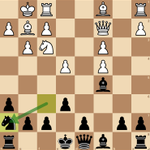
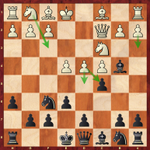

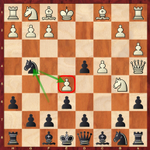
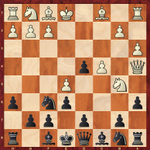
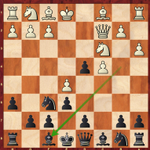
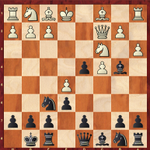
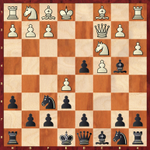

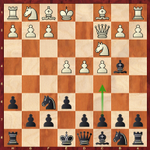
Pinned Tweet
Shocked to see ...h6 from Gukesh.
I "discovered" it late 2023, and then had the privilege to play it myself in this year's Australian Championships.
I would have never imagined though, that Gukesh would be using the very same idea in such a high-stakes situation.
(cont)


Anyways, if you found this insightful, follow @R0ad2Infinity to stay updated on strange opening ideas, that you probably shouldn't try at home.
Another example I like is in the QGD exchange variation.
The classical response is to play ...Be7, ...Nbd7, ...0-0, ...Re8, ...Nd7-f8 etc
but there are also more dynamic options such as ...Be6!? followed by ...Nbd7, with the idea of trying to win the bishop pair eventually.

1
6
867

If instead, my opponent should've kept her pawns at bay and just played 19.Ke3.
Now, a move like ...a5 is possible, but it doesn't latch onto and hook like it did in the game.
Things probably would've ended in a draw from here.

1
8
1,424
If you enjoyed this thread, make sure to check out the full video I dedicated to this topic:
youtu.be/X0paM9Y2uBQ

16
1,206