

A Biologist, enthusiastic in learning the current development of Medicine & Biotechnology sciences | respect-based friendship 🍂🍁🍂
- Tweets87.8K
- Following19K
- Followers29.5K
- Likes183K







ALT **What If Humans Already Carry the Genetic Instructions to Regrow Lost Body Parts?** An unusual little salamander called the axolotl can regrow entire limbs, repair spinal tissue, and even restore damaged parts of its heart. But scientists are uncovering something even more fascinating: the genetic instructions behind this extraordinary ability may have ancient roots shared with humans. A July 2026 research preprint suggests that important genetic control sequences involved in axolotl regeneration are also preserved in human DNA. The difference? In adult human tissues, these instructions appear to be switched into an inactive state. This raises an exciting possibility: could scientists one day find a safe way to reactivate these dormant genetic programs and help the human body rebuild damaged tissues instead of forming scars? The research is still at an early stage, and human limb regeneration remains a distant goal.




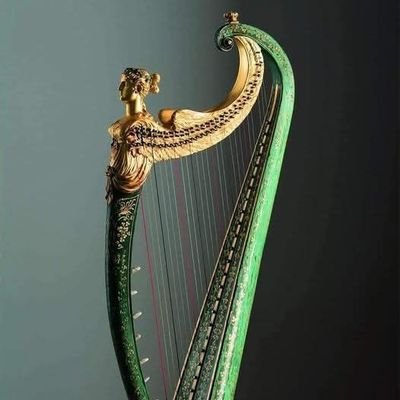


ALT Scientists in France developed an artificial heart that can adapt to the body's needs.** What if a machine could do more than pump blood? The French-developed **Aeson artificial heart** uses sensors and intelligent control systems to adjust blood flow according to the body's changing demands. Unlike many conventional mechanical devices, it uses specially processed animal tissue in parts that contact the blood, alongside advanced pumping technology designed to mimic the natural heart's movements. The goal is to help people with severe heart failure whose hearts can no longer pump enough blood. For carefully selected patients, the device can serve as a bridge to a heart transplant.

