

Curious about how great powers make decisions and who pulls the strings? Follow us and step into the Dark Box!
Joined November 2024
- Tweets1.1K
- Following0
- Followers23.8K
- Likes181




أبوظبي تطارد قيادة الأمم المتحدة: أموال خاصة وشبكات نفوذ سرية تضع استقلال المنظمة الدولية على المحك
تسعى الإمارات إلى إيصال دبلوماسيتها لانا نسيبة إلى منصب الأمين العام للأمم المتحدة، مستندة إلى شبكة واسعة من العلاقات المالية والسياسية والأمنية تتجاوز القنوات الدبلوماسية التقليدية. وتكشف وثائق الترشيح عن تمويل الحملة من موارد عامة وخاصة، دون الإفصاح الكامل عن هوية الممولين أو تفاصيل الإنفاق، ما يثير تساؤلات جدية بشأن دور المال والمصالح التجارية في سباق يفترض أن تحكمه الاستقلالية والنزاهة.
القلق لا ينطلق من فراغ. فقد كشفت تحقيقات «أسرار أبوظبي» عن استعانة جهات استخباراتية إماراتية بشركة «ألب سيرفيسز» السويسرية لتنفيذ عمليات جمع معلومات واستهداف سياسي وإعلامي في أوروبا. وشملت الملفات أكثر من ألف شخص و400 منظمة في 18 دولة، إلى جانب ترتيبات مالية بملايين الفرنكات السويسرية. إنها سوابق موثقة تكشف كيف استخدمت شبكات مرتبطة بأبوظبي أدوات غير دبلوماسية للتأثير في المجال السياسي والإعلامي خارج حدودها.
واليوم، تتضاعف خطورة هذا السجل مع سعي الإمارات إلى قيادة مؤسسة دولية مسؤولة عن مساءلة أطراف النزاعات. ففي السودان، وثقت منظمات حقوقية أدلة تتعلق بوصول أسلحة ومقاتلين إلى قوات الدعم السريع عبر شبكات مرتبطة بالإمارات، وسط اتهامات بارتكاب فظائع جماعية. وفي اليمن، وثقت تقارير انتهاكات جسيمة ارتكبتها قوات مدعومة إماراتيًا.
المعركة الحقيقية ليست حول اسم المرشحة، بل حول حدود النفوذ المالي والأمني في اختيار قيادة الأمم المتحدة. فوجود تمويل خاص غير مفصل، إلى جانب سوابق عمليات التأثير السرية، يفرض كشف الممولين والوسطاء والاتفاقات التي ترافق طلب التأييد من الحكومات.
shorturl.at/H597m
#الإمارات #أبوظبي #الأمم_المتحدة #لانا_نسيبة #السودان #اليمن #حقوق_الإنسان #اللوبي_الإماراتي #جرائم_الحرب #الفساد_السياسي
دارك بوكس | Dark Box


Abu Dhabi's Bid for the UN: Private Money, Covert Influence Networks, and the Battle for Global Power
The United Arab Emirates is seeking to install its diplomat Lana Nusseibeh as the next United Nations secretary-general, drawing on an extensive network of financial, political, and security relationships that reaches far beyond conventional diplomacy.
Her nomination documents disclose the use of public and private campaign resources without fully identifying private contributors or detailing expenditures. That lack of transparency raises serious questions about financial influence, undisclosed intermediaries, and potential conflicts of interest in the selection of the world's most senior international civil servant.
The concern is grounded in a documented history. The Abu Dhabi Secrets investigations exposed how UAE-linked intelligence interests employed the Swiss firm Alp Services to conduct covert political and media influence operations across Europe. Its files covered more than 1,000 individuals and 400 organizations in 18 countries, with financial arrangements involving millions of Swiss francs.
These revelations established a precedent for Emirati-linked operations using private contractors, intelligence gathering, reputation attacks, and political pressure beyond official diplomatic channels.
Now Abu Dhabi is pursuing the leadership of an institution responsible for confronting atrocities in conflicts where its own conduct faces serious scrutiny. In Sudan, human rights investigations have documented evidence concerning weapons and foreign fighters reaching the Rapid Support Forces through UAE-linked channels, while the UAE denies arming the group. In Yemen, organizations have documented grave abuses involving UAE-backed forces.
The central issue is not simply who becomes secretary-general. It is whether undisclosed financial interests and foreign influence networks can compromise the independence of the United Nations' leadership selection.
The United Nations cannot credibly demand transparency from governments while leaving the money and influence behind its own leadership contest beyond meaningful public scrutiny.
shorturl.at/H597m
#UAE #AbuDhabi #UnitedNations #LanaNusseibeh #Sudan #Yemen #HumanRights #ForeignInfluence #WarCrimes #PoliticalLobbying
Dark Box | Investigative Report
التحريض ضد المسلمين يعود إلى الواجهة: تسريبات عن نفوذ أبوظبي في فرنسا وهجوم إرهابي دموي يهز ضواحي باريس
أعاد الهجوم الدموي الذي شهدته منطقتا تراب ولا فيريير غرب باريس، في 23 أكتوبر 2026، ملف التحريض العنصري والمعادي للمسلمين إلى واجهة المشهد الفرنسي، بعدما أطلق مسلح النار من سيارة على مدنيين في ثلاثة مواقع خلال أقل من 15 دقيقة، ما أسفر عن مقتل شخص وإصابة خمسة آخرين، بينهم طفلة تبلغ 12 عامًا أصيبت بثماني رصاصات. وأوقفت الشرطة مشتبهًا به يبلغ 39 عامًا، فيما تولت النيابة الوطنية لمكافحة الإرهاب التحقيق في دوافع عنصرية ودينية محتملة. ووصف رئيس بلدية تراب، علي رباح، الهجوم بأنه عمل إرهابي يحمل دوافع عنصرية يُرجح أن تكون معادية للإسلام.
وفي خلفية هذه الجريمة، يعود ملف النفوذ الإماراتي داخل فرنسا إلى الواجهة. فبحسب تحقيق سابق لدارك بوكس استند إلى وثائق مسربة ومراسلات داخلية، عملت شركة الاستخبارات الخاصة السويسرية «ألب سيرفيسز» لصالح جهات إماراتية على استهداف شخصيات ومؤسسات مرتبطة بالإسلام، ونشر مواد إعلامية ضد خصوم أبوظبي، والضغط من أجل ملاحقة منظمات إسلامية في فرنسا. وكشف التحقيق عن اتصالات بين الشركة وعميل استخباراتي إماراتي، وعن جهود للتأثير في وسائل الإعلام والنقاش السياسي الفرنسي.
وفي مايو 2025، أثار تقرير رسمي فرنسي حول الاسلام السياسي المسلمين جدلًا واسعًا، بعدما كشفت صحيفة لوموند عن تأثره بالسردية الإماراتية المناهضة للجماعة، وسط صراع سياسي وإعلامي حول كيفية تقديم الملف للرأي العام.
الخطورة هنا ليست في مجرد وجود لوبي أجنبي، بل في استخدام شبكات استخباراتية وإعلامية سرية لتوجيه النقاش الفرنسي بشأن الإسلام، والضغط على المؤسسات، واستهداف جمعيات وأفراد تحت عناوين مكافحة التطرف.
ومع سقوط ضحايا في هجوم يجري التحقيق في دوافعه العنصرية والمعادية للإسلام، تصبح مساءلة هذه الشبكات ضرورة ملحة: من موّل حملات التشويه؟ ومن نسّق الرسائل الإعلامية؟ ومن استفاد سياسيًا من تصوير مؤسسات مسلمة باعتبارها تهديدًا أمنيًا؟
الوثائق المنشورة تثبت وجود عمليات نفوذ إماراتية استهدفت الساحة الفرنسية وساهمت في تأجيج الهجوم المعادي للمسلمين في فرنسا و أوروبا ككل.
shorturl.at/P7IJg
#الإمارات #أبوظبي #فرنسا #باريس #الإسلاموفوبيا #المسلمون_في_فرنسا #اللوبي_الإماراتي #مكافحة_العنصرية #حقوق_الإنسان
دارك بوكس | Dark Box

Anti-Muslim Incitement Back in the Spotlight: Leaks Expose Abu Dhabi's Influence in France as Deadly Terror Attack Shakes Paris Suburbs
The deadly shooting in Trappes and La Verrière, west of Paris, on October 23, 2026, has thrust racist and anti-Muslim incitement back into the center of France's national debate. A gunman opened fire on civilians from a vehicle at three separate locations in less than 15 minutes, killing one person and injuring five others, including a 12-year-old girl who was struck by eight bullets.
Police arrested a 39-year-old suspect, while France's National Anti-Terrorism Prosecutor's Office launched an investigation into possible racist and religious motives. Trappes Mayor Ali Rabeh described the shooting as an act of terrorism with an apparent racist motive, potentially driven by Islamophobia.
Against the backdrop of this attack, scrutiny of the United Arab Emirates' influence operations in France has returned to the forefront.
According to an earlier Dark Box investigation based on leaked documents and internal correspondence, the Swiss private intelligence firm Alp Services worked on behalf of Emirati interests to target individuals and institutions associated with Islam, circulate media narratives against Abu Dhabi's opponents, and push for action against Islamic organizations in France.
The investigation uncovered communications between the company and an Emirati intelligence operative, alongside efforts to influence French media coverage and political debate.
In May 2025, an official French report on political Islam sparked widespread controversy after Le Monde reported concerns about the influence of the UAE's anti-Muslim Brotherhood narrative on its framing, amid a broader political and media battle over how the issue was presented to the French public.
The danger extends far beyond the existence of a foreign lobbying operation. It lies in the alleged use of covert intelligence and media networks to shape France's debate about Islam, pressure public institutions, and target Muslim associations and individuals under the banner of combating extremism.
With victims now killed and wounded in an attack being investigated for possible racist and Islamophobic motives, holding these influence networks accountable has become an urgent question.
Who financed the smear campaigns? Who coordinated the media narratives? And who stood to gain politically from portraying Muslim institutions and communities as security threats?
The published documents provide evidence of Emirati-linked influence operations targeting France. They raise serious questions about the role of such campaigns in fueling anti-Muslim hostility across France and Europe, although they do not establish a causal connection to the October 23 attack.
shorturl.at/P7IJg
#UAE #AbuDhabi #France #Paris #Islamophobia #MuslimsInFrance #UAELobby #AntiRacism #HumanRights
Dark Box | Investigative Report
اجتماع عسكري خلف الأبواب المغلقة: هل تدفع أبوظبي الخليج نحو مواجهة جديدة مع إيران؟
في 19 أكتوبر 2026، التقى وزير الدفاع الأمريكي بيت هيغسيث برئيس الوزراء الإسرائيلي بنيامين نتنياهو في قاعدة عوفدا الجوية جنوب إسرائيل، حيث تتمركز طائرات عسكرية أمريكية. وجاء اللقاء وسط تحركات عسكرية إسرائيلية بعيدة المدى وتصاعد الحديث عن ضربات جديدة ضد إيران.
وتشير المعلومات المقدمة إلى دارك بوكس إلى مشاركة مسؤولين أمنيين إماراتيين في مشاورات الاجتماع وخطة التحركات العسكرية المبرمجة ضد ايران، مما يعرض منطقة الخليج لضربات صاروخية جديدة ومواجهة جديدة مع ايران.
المفارقة أن الإمارات، التي تتحدث عن حماية أمن الخليج، تعمّق علاقاتها العسكرية والسياسية مع أطراف تناقش توسيع المواجهة مع إيران، رغم أن أي حرب جديدة قد تعرض مدن الخليج وموانئه ومنشآته النفطية لهجمات مدمرة في وقت تواجع فيه السعودية تهديد جدي نتيجة الضربات الصاروخية الحوثية.
السؤال الذي تفرضه هذه الوقائع: هل تستخدم أبوظبي حساباتها الإقليمية لتدفع الخليج إلى دفع ثمن تصعيد لا يملك سكانه قرار إشعاله؟
shorturl.at/2DKBq
#الإمارات #أبوظبي #إسرائيل #نتنياهو #إيران #الخليج #الولايات_المتحدة #أمن_الخليج

cret Military Talks: Is Abu Dhabi Pushing the Gulf Toward Another War With Iran?
On October 19, 2026, U.S. Defense Secretary Pete Hegseth met with Israeli Prime Minister Benjamin Netanyahu at Ovda Air Base in southern Israel, where U.S. military aircraft are stationed. The meeting came amid long-range Israeli military operations and growing speculation about renewed strikes against Iran.
Information provided to Dark Box indicates that Emirati security officials participated in consultations surrounding the meeting and discussions of planned military operations against Iran. If confirmed, such involvement would raise serious concerns about the risk of renewed Iranian missile strikes on Gulf countries and a wider regional confrontation.
The contradiction is striking: while the UAE claims to prioritize Gulf security, it continues to deepen its military and political ties with governments discussing an expanded confrontation with Iran. Another war could expose Gulf cities, ports, and oil facilities to devastating attacks, at a time when Saudi Arabia is already facing serious threats from Houthi missile strikes.
The question is unavoidable: Is Abu Dhabi pursuing its own regional ambitions while leaving the rest of the Gulf to pay the price for a war its people never chose?
shorturl.at/2DKBq
#UAE #AbuDhabi #Israel #Netanyahu #Iran #Gulf #UnitedStates #GulfSec
آلة الصمت الإماراتية: كيف حاول اللوبي الإماراتي شراء صمت ماكرون خلال صفقات الدفاع وأزمة سجناء البحرين
كشفت زيارة الرئيس الفرنسي إيمانويل ماكرون للخليج عن تصادم مباشر بين آلة التأثير السياسي الإماراتية ومصالح صناعة الدفاع الفرنسية وتهميش متعمد لقضايا حقوق الإنسان والمساءلة الإقليمية.
تصف مصادر سرية حملة لوبي مكثفة مرتبطة بالإمارات استخدمت الموارد المالية والضغط السياسي المستمر لتوجيه رسائل الرئاسة الفرنسية في الأسابيع التي سبقت الزيارة. كان الهدف الصريح، وفقاً لهذه المصادر، ضمان تجنب ماكرون أي انتقاد علني لسجل الإمارات في حقوق الإنسان وتورطها في النزاعات الإقليمية خلال مفاوضات عسكرية وتجارية عالية الرهانات.
وكشفت المصادر جهداً منسقاً استهدف قصر الإليزيه. يُؤكد أن وسطاء اللوبي ضغطوا على مسؤولين فرنسيين لإبقاء أي إشارات إلى السجناء السياسيين أو دور الإمارات في الحروب الإقليمية خارج التصريحات الرئاسية والظهور المشترك. تزايد الضغط مع تقدم المناقشات حول أنظمة الدفاع الجوي وترتيبات التدريب وصفقات المعدات الإضافية التي تحمل قيمة تجارية كبيرة للصناعة الفرنسية.
تشير المصادر نفسها إلى أن الحملة صوّرت أي ذكر علني لحقوق الإنسان أو التورط العسكري الإقليمي كعقبة محتملة أمام إبرام الاتفاقات الدفاعية والاستثمارية بسلاسة. كان الهدف واضحاً: تأمين صمت دبلوماسي من الرئاسة الفرنسية في لحظة كانت فيها التعاون العسكري والصورة السياسية مطروحين معاً على الطاولة.
لم تُكشف حتى الآن مبالغ مدفوعات محددة أو عقود أو أسماء وسطاء في المعلومات المتوفرة.
يتطلب رسم الصورة المالية والعملياتية الكاملة الإفراج عن سجلات اللوبي والمراسلات وجداول الاجتماعات. إلى أن تظهر تلك الوثائق، تبقى الرواية تطرح سؤالاً حاداً غير محسوم: هل نجح الضغط الأجنبي المنظم في شراء صمت فرنسي حول حقوق الإنسان والحروب الإقليمية مقابل المضي قدماً في دبلوماسية الدفاع
shorturl.at/qUhHe

Abu Dhabi’s Silence Machine: How the UAE Lobby Tried to Buy Macron’s Silence During Defense Deals and the Bahrain Prison Crisis
French President Emmanuel Macron’s visit to the Gulf exposed a direct collision between Abu Dhabi’s political influence machine, the interests of France’s defense industry, and the deliberate sidelining of human rights issues and regional accountability.
Confidential sources describe an intensive UAE-linked lobbying campaign that used financial resources and sustained political pressure to shape the French presidency’s messaging in the weeks leading up to the visit. The explicit goal, according to these sources, was to ensure Macron avoided any public criticism of the UAE’s human rights record and its involvement in regional conflicts during high-stakes military and commercial negotiations.
The sources reveal a coordinated effort targeting the Élysée Palace. Lobby intermediaries pressed French officials to keep any references to political prisoners or the UAE’s role in regional wars out of presidential statements and joint appearances. The pressure intensified as talks advanced on air-defense systems, training arrangements, and additional equipment deals that carried major commercial value for French industry.
The same sources indicate that the campaign framed any public mention of human rights or regional military involvement as a potential obstacle to smoothly concluding defense and investment agreements. The objective was clear: secure diplomatic silence from the French presidency at a moment when both military cooperation and political image were on the table.
No specific payment amounts, contracts, or names of intermediaries have been disclosed in the information available so far.
Mapping the full financial and operational picture requires the release of lobbying records, correspondence, and meeting schedules. Until those documents surface, the account leaves a sharp, unresolved question: Did organized foreign pressure succeed in buying French silence on human rights and regional wars in exchange for advancing defense diplomacy?
shorturl.at/qUhHe
خريطة نتنياهو تؤكد محور إسرائيل–الإمارات للفوضى: جيش أبوظبي بالوكالة في السودان والتفكيك المتعمد للمنطقة
في 18 أكتوبر 2026، عرض بنيامين نتنياهو علناً خريطة استراتيجية تُسقط كل الأقنعة الدبلوماسية المتبقية. ما يُسمى «التحالف السداسي» يضع إسرائيل والإمارات العربية المتحدة في مركز كتلة إقليمية تضم صراحةً الأراضي التي تسيطر عليها قوات الدعم السريع في السودان، ونفوذ خليفة حفتر في شرق ليبيا، ومناطق الانفصاليين في جنوب اليمن، وصوماليلاند، وإثيوبيا.
التفصيل الأكثر إدانة يقع في جنوب غرب السودان. الخريطة تضع أراضي الدعم السريع — وهي نفسها التي ارتكبت فيها قوات محمد حمدان دقلو مجازر جماعية وتطهيرًا عرقيًا وعنفًا جنسيًا ممنهجًا — داخل الدائرة «الصديقة» لمحور إسرائيل–الإمارات. هذا ليس خطأ تحليليًا. إنه إشارة سياسية بأن الميليشيا المسؤولة عن بعض أبشع الفظائع في العقد تحتل موقعًا مميزًا في التصميم الاستراتيجي لأبوظبي.
تحقيقات دارك بوكس السابقة وثّقت بالفعل دور الإمارات في دعم هذه القوة: مرتزقة كولومبيون جُندوا عبر شركة مقرها أبوظبي، ومرور وتدريب داخل منشآت إماراتية، وحركات أسلحة عبر تشاد، ومعدات كانت مُورَّدة أصلاً للإمارات ظهرت لاحقًا في أيدي الدعم السريع. هيومن رايتس ووتش وخبراء الأمم المتحدة وتقييمات أوروبية كلها أثارت أسئلة جدية حول مسؤولية الإمارات عن مساعدات أطالت أمد حرب السودان وسهّلت جرائم ضد الإنسانية.
النمط نفسه يتكرر في المنطقة. في ليبيا تفضّل الخريطة السلطة العسكرية الموازية لحفتر على الحكومة المعترف بها دوليًا. في اليمن تربط هياكل الانفصاليين الجنوبيين التي رعتها أبوظبي طويلًا بمدار إسرائيل–الإمارات، بما يضمن نفوذًا على مضيق باب المندب. في القرن الأفريقي تُدرج صوماليلاند وإثيوبيا في نفس الممر الاستراتيجي المسيطر على مداخل البحر الأحمر.
هذه ليست بناء تحالفات عادية. إنها مشروع متماسك للنفوذ الإقليمي يعامل الدول المفككة وأمراء الحرب والحركات الانفصالية كأدوات للقوة. عقيدة نتنياهو الأمنية الهجومية — التي تعطي الأولوية للضربات الاستباقية وتوسيع الهيمنة الإقليمية — تجعل هذه الهندسة أكثر خطورة
the-darkbox.com/1igy
: Netanyahu’s Map Confirms the Israel–UAE Axis of Chaos: Abu Dhabi’s Proxy Army in Sudan and the Deliberate Fragmentation of the Region
On 18 October 2026, Benjamin Netanyahu publicly displayed a strategic map that strips away every remaining diplomatic pretence. The so-called “Hexagon Alliance” places Israel and the United Arab Emirates at the centre of a regional bloc that openly includes territory controlled by the Rapid Support Forces in Sudan, Khalifa Haftar’s domain in eastern Libya, southern Yemeni separatist areas, Somaliland, and Ethiopia.
The most damning detail is southwestern Sudan. The map parks RSF-held land — the same territory where Mohamed Hamdan Dagalo’s forces have carried out mass killings, ethnic cleansing, and systematic sexual violence — inside the Israel–UAE “friendly” circle. This is not an analytical accident. It is a political signal that the paramilitary responsible for some of the worst atrocities of the decade occupies a privileged position in Abu Dhabi’s strategic design.
Dark Box previous investigations have already documented the UAE’s role in sustaining that force: Colombian military contractors recruited through an Abu Dhabi-based company, transit and training inside Emirati facilities, weapons movements via Chad, and equipment originally supplied to the UAE later appearing in RSF hands. Human Rights Watch, UN experts, and European assessments have all raised serious questions about Emirati responsibility for assistance that has prolonged Sudan’s war and facilitated crimes against humanity.
The same pattern repeats across the region. In Libya the map favours Haftar’s parallel military authority over the internationally recognised government. In Yemen it associates southern separatist structures long cultivated by Abu Dhabi with the Israel–UAE orbit, securing leverage over the Bab el-Mandeb chokepoint. In the Horn of Africa it incorporates Somaliland and Ethiopia into the same strategic corridor controlling Red Sea approaches.
This is not ordinary alliance-building. It is a coherent project of regional influence that treats fragmented states, warlords, and separatist movements as instruments of power. Netanyahu’s offensive security doctrine — prioritising pre-emptive strikes and expanded regional dominance — only makes the architecture more dangerous.
the-darkbox.com/1igy
التحريض على المسلمين في بريطانيا
لم تعد علاقات الإمارات بحزب «إصلاح المملكة المتحدة» بقيادة نايجل فاراج مجرد تكهنات سياسية. فالسجلات البرلمانية واللقاءات الدبلوماسية والتحقيقات الحقوقية تكشف شبكة علاقات تربط أبوظبي بقيادات الحزب، بالتزامن مع فضيحة تسجيلات سرية فضحت خطابًا عنصريًا يستهدف المسلمين والمهاجرين.
في ديسمبر 2025، تلقى فاراج ضيافة مرتبطة بأبوظبي بلغت قيمتها المعلنة نحو 10 آلاف جنيه إسترليني، شملت إقامة مقدمة من حكومة أبوظبي وتصاريح لحضور سباق الفورمولا واحد. وفي مايو 2026، التقى وزير الخارجية الإماراتي عبد الله بن زايد بفاراج لبحث العلاقات والمصالح المشتركة.
ولا تقف العلاقات عند فاراج؛ إذ وثّق تحقيق حقوقي صلات سياسية وتجارية تربط شخصيات بارزة حول الحزب، بينها ريتشارد تايس ونيك كاندي وناظم الزهاوي، بمؤسسات ومصالح إماراتية.
الأخطر هو تقاطع أجندة الحزب مع أحد أبرز أهداف أبوظبي السياسية: حظر جماعة الإخوان المسلمين. وتكتسب هذه العلاقة أهمية إضافية في ضوء تقارير سابقة عن ضغوط إماراتية على الحكومة البريطانية لاتخاذ إجراءات ضد الجماعة.
وتزداد خطورة الموضوع بعد أن كشفت تسجيلات سرية لمسؤولين ومرشحين من الحزب دعوات إلى احتجاز طالبي اللجوء في معسكرات اعتقال، والتشكيك في انتماء المسلمين إلى بريطانيا، والترويج لترحيل أقليات عرقية.
#الإمارات #أبوظبي #بريطانيا #نايجل_فاراج #الإسلاموفوبيا #المسلمون #العنصرية #حقوق_الإنسان
Incitement Against Muslims in Britain
The UAE's ties to Nigel Farage's Reform UK are no longer merely a matter of political speculation.
Parliamentary records, diplomatic meetings, and human rights investigations reveal a network of connections linking Abu Dhabi to senior figures within the party, amid a scandal involving secretly recorded statements exposing racist rhetoric targeting Muslims and immigrants.
In December 2025, Farage received Abu Dhabi-linked hospitality with a declared value of approximately £10,000, including accommodation provided by the Abu Dhabi government and passes to attend the Formula One Grand Prix. In May 2026, UAE Foreign Minister Abdullah bin Zayed met with Farage to discuss bilateral relations and shared interests.
These connections extend beyond Farage. A human rights investigation documented political and commercial ties linking prominent figures associated with the party, including Richard Tice, Nick Candy, and Nadhim Zahawi, to Emirati institutions and business interests.
More concerning is the alignment between the party's political agenda and one of Abu Dhabi's key objectives: banning the Muslim Brotherhood. This connection carries additional significance in light of earlier reports that the UAE pressured the British government to take action against the organization.
The situation becomes even more alarming following the release of secretly recorded statements by party officials and candidates advocating the detention of asylum seekers in concentration camps, questioning whether Muslims truly belong in Britain, and promoting the deportation of ethnic minorities.
the-darkbox.com/gvda
#UAE #AbuDhabi #Britain #NigelFarage #Islamophobia #Muslims #Racism
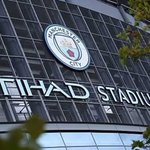
كيف تسعى الإمارات للهيمنة على كرة القدم الأوروبية؟ من مليارات مانشستر سيتي إلى اختراق دوائر القرار البريطاني
لم يعد استحواذ أبوظبي على مانشستر سيتي مجرد استثمار رياضي، بل تحول إلى بوابة لنفوذ اقتصادي وسياسي يتجاوز الملاعب إلى مراكز القرار البريطاني.
فمنذ شراء الشيخ منصور بن زايد النادي عام 2008، توسعت شبكة الاستثمارات الإماراتية لتشمل أندية أوروبية ومشاريع عقارية ضخمة في مانشستر، وسط تقارير حقوقية تؤكد توظيف كرة القدم لتلميع صورة الإمارات وتعزيز نفوذها السياسي.
وتعمقت الشبهات مع صدور قرار تأديبي في سبتمبر 2026 يدين مانشستر سيتي بمخالفات مالية جسيمة، بينها اتهامات بإخفاء تمويل يتجاوز 830 مليون جنيه إسترليني عبر ترتيبات تجارية مثيرة للجدل. وقد طعن النادي في القرار ونفى ارتكاب المخالفات.
وفي موازاة ذلك، أثارت صفقات عقارية مرتبطة بأبوظبي انتقادات بشأن نقل أراضٍ عامة إلى شركات خاضعة لسيطرتها، والعوائد المحدودة التي حصلت عليها المدينة، بينما تتواصل معاناة السكان من أزمة السكن والفقر.
وتكشف القضية كيف يمكن تحويل شعبية كرة القدم والاستثمارات الضخمة إلى أدوات نفوذ سياسي واقتصادي، تثير مخاوف بشأن استقلال المؤسسات البريطانية وقدرتها على محاسبة المستثمرين المرتبطين بالسلطة الإماراتية.
فهل أصبحت مليارات أبوظبي وسيلة لحماية مصالحها من المساءلة، أم ستنجح أوروبا في فرض قواعدها على الجميع دون استثناء؟
#الإمارات #أبوظبي #مانشستر_سيتي #بريطانيا #كرة_القدم #الدوري_الإنجليزي
دارك بوكس | Dark Box
the-darkbox.com/4c7z
How the UAE Seeks to Influence European Football: Abu Dhabi's Billions, Manchester City, and the Battle for British Political Power
Abu Dhabi's takeover of Manchester City has evolved into far more than a football investment. It has become a gateway to economic and political influence extending from European stadiums into Britain's corridors of power.
Since Sheikh Mansour bin Zayed acquired the club in 2008, UAE-linked investments have expanded into European football networks and major Manchester real estate developments, raising serious concerns about the use of sporting success to enhance Abu Dhabi's international reputation and political leverage.
The controversy intensified after a September 2026 disciplinary ruling reportedly found Manchester City responsible for serious financial violations, including the concealment of more than £830 million in funding through disputed commercial arrangements. The club has appealed and maintains its innocence.
Meanwhile, Abu Dhabi-backed property deals have faced criticism over the transfer of public land into privately controlled structures, limited financial returns for Manchester, and the growing divide between luxury developments and struggling local communities.
Together, these controversies expose the risks of allowing politically connected foreign capital to become deeply embedded in European football, local economies, and relationships with political leaders.
The central question is increasingly difficult to ignore: Can European football and British institutions enforce their rules independently when confronting investors whose financial power reaches far beyond the pitch?
#UAE #AbuDhabi #ManchesterCity #PremierLeague #EuropeanFootball #Sportswashing
Dark Box | Investigative Report
the-darkbox.com/4c7z
أموال أبوظبي تسيطر على حرية الصحافة في أوروبا: كيف حاولت الإمارات مد نفوذها إلى قلب الإعلام البريطاني والأوروبي؟
تكشف قضية محاولة الإمارات الاستحواذ على صحيفة «التلغراف» البريطانية عن الوجه المقلق لتوسع أبوظبي في المؤسسات الإعلامية الغربية، حيث تتقاطع الأموال الضخمة مع المصالح السياسية ومحاولات اكتساب النفوذ داخل مراكز صناعة الرأي العام.
فقد أثارت الصفقة مخاوف موثقة بشأن وجود دوافع سياسية وتجارية إماراتية للتأثير في التغطية الصحفية، وتهديد استقلال القرار التحريري، رغم التعهدات المزعمة بعدم التدخل.
وفي قلب هذه التحركات تبرز شركة استثمارية يملكها الشيخ منصور بن زايد، أحد أبرز رموز السلطة الإماراتية، والتي تمتد استثماراتها إلى مؤسسة «يورونيوز» الأوروبية، والتي تحاول منذ سنوات الاستحواذ على «التلغراف» في اطار مساعي النفوذ المالي والسياسي لأبوظبي للسيطرة على الإعلام الأوروبي.
ورغم فشل محاولات الاستحواذ على «التلغراف» الى حد الان، فإن القضية تكشف مخاطر السماح لرؤوس أموال مرتبطة بالسلطة الإماراتية بالاقتراب من المؤسسات الصحفية المستقلة. فالخطر لا يقتصر على السيطرة المباشرة، بل يشمل احتمال التأثير في أولويات التغطية، وتوجيه الرأي العام الأوروبي وتهميش الملفات الحساسة التي تتعارض مع مصالح أبوظبي.
وتطرح هذه المحاولات سؤالاً حاسماً: هل تستطيع أوروبا حماية صحافتها من النفوذ السياسي حين يأتي مغلفاً بالمليارات والاستثمارات؟
the-darkbox.com/4dmk
#الإمارات #أبوظبي #بريطانيا #التلغراف #حرية_الصحافة #أوروبا
Abu Dhabi's Money Threatens Press Freedom in Europe: How the UAE Tried to Extend Its Influence into the Heart of British and European Media
The UAE's attempt to acquire Britain's The Telegraph has exposed the troubling reality behind Abu Dhabi's expansion into Western media institutions, where enormous financial resources intersect with political interests and efforts to gain influence over the institutions that shape public opinion.
The proposed takeover raised documented concerns about the UAE's political and commercial incentives to influence news coverage and undermine editorial independence, despite its alleged assurances of noninterference.
At the center of these efforts is an investment company owned by Sheikh Mansour bin Zayed, one of the most powerful figures in the UAE's ruling establishment. The company's investments extend to European broadcaster Euronews, while its years-long pursuit of The Telegraphreflects broader concerns about Abu Dhabi's use of financial and political influence to gain control over European media.
Although efforts to acquire The Telegraph have so far failed, the controversy exposes the dangers of allowing capital tied to the Emirati government to gain a foothold in independent news organizations. The threat extends beyond outright ownership to the potential manipulation of editorial priorities, the shaping of European public opinion, and the sidelining of sensitive investigations that conflict with Abu Dhabi's interests.
These efforts raise a critical question: Can Europe protect its independent press from political interference when that influence comes disguised as billions of dollars in investments?
the-darkbox.com/4dmk
#UAE #AbuDhabi #UK #TheTelegraph #PressFreedom #Europe
دارك بوكس: ذهب السودان المنهوب.. حرب الدعم السريع تفتح الطريق إلى دبي وتشعل جبهة جديدة على حدود مصر
حرب السودان ليست فقط حرباً على الخرطوم ودارفور، بل حرب على الذهب ومسارات التهريب والعملة الصعبة ومن يملك القدرة على تحويل ثروة السودان إلى وقود للصراع. وفي قلب هذه المنظومة تقف قوات الدعم السريع، بينما تظهر الإمارات باعتبارها الوجهة التجارية الأكثر حساسية في شبكة الذهب السوداني العابرة للحدود.
الأرقام تكشف حجم المسألة. أبحاث تشاتام هاوس تصف الذهب بأنه مصدر تمويل رئيسي لقوات الدعم السريع، مع شبكات تهريب تمر عبر مصر وتشاد ودول مجاورة قبل أن يصل جزء كبير منه إلى الإمارات. ووفق SWISSAID، استوردت الإمارات 748 طناً من الذهب الأفريقي خلال 2024، بينها تدفقات معلنة من السودان ومصر وتشاد وليبيا، وهي دول تشكل أجزاء رئيسية من طرق خروج الذهب السوداني.
الأخطر أن لجنة خبراء الأمم المتحدة وثقت حالة تاجر مرتبط بالدعم السريع تلقى شحنة ذهب تزن 50 كيلوغراماً في دبي عام 2023، فيما أفاد تحقيق آخر بأن أكثر من 100 مليون دولار من سبائك الذهب المنهوبة من البنك المركزي السوداني والمصفاة الحكومية وصلت إلى الإمارات. هذه الوقائع تجعل دبي نقطة لا يمكن تجاهلها عند التحقيق في اقتصاد الحرب السوداني.
الآن تقترب النار من مصر. تقارير تؤكد ضربة جوية دامية استهدفت عناصر من قوات الدعم السريع و منجم كان يمولها في منطقة تعدين قرب الحدود المصرية السودانية
وهنا تظهر المفارقة الإقليمية: مصر تدعم الجيش السوداني وتسعى إلى منع تمدد الجماعات المسلحة والتهريب على حدودها الجنوبية، لكنها في الوقت نفسه أصبحت ممراً مهماً للذهب السوداني، وبعض هذا الذهب يجد طريقه في النهاية إلى السوق الإماراتية.
الخلاصة أخطر من مجرد تهريب معدن ثمين. السودان يفقد ذهباً وثروة عامة بينما تتحول موارده إلى اقتصاد عابر للحدود تستفيد منه شبكات مسلحة وتجار ووسطاء وأسواق دولية. والدعم السريع يمتلك تاريخاً عميقاً في اقتصاد الذهب، فيما تظل دبي إحدى أهم النهايات التجارية لهذه المسارات.
السؤال الذي يجب أن يواجه أبوظبي ليس فقط كم طناً من الذهب السوداني يدخل أسواقها، بل كيف وصل، ومن باعه، ومن استفاد منه، وما إذا كانت ثروة السودان المنهوبة تتحول عبر شبكات التجارة الإقليمية إلى المال الذي يسمح للحرب بالاستمرار.
السودانيون يدفعون ثمن الحرب بالدم والنزوح. ذهبهم يدفع ثمن استمرارها.
the-darkbox.com/rg0n
#السودان #الإمارات #أبوظبي #دبي #مصر #الذهب #قوات_الدعم_السريع #الجيش_السوداني #دارفور #حميدتي #محمد_بن_زايد #حرب_السودان #دارك_بوكس
Dark Box: Sudan’s Looted Gold — The RSF War Opens a Road to Dubai and Ignites a New Front on Egypt’s Border
Sudan’s war is not only a battle for Khartoum and Darfur. It is also a war over gold, smuggling routes, hard currency, and who has the power to turn Sudan’s wealth into fuel for the conflict. At the heart of this system are the Rapid Support Forces, while the UAE has emerged as the most sensitive commercial destination in Sudan’s cross-border gold network.
The numbers reveal the scale of the issue. Chatham House research describes gold as a major source of financing for the RSF, with smuggling networks running through Egypt, Chad, and neighboring countries before significant quantities ultimately reach the UAE. According to SWISSAID, the UAE imported 748 metric tons of African gold in 2024, including declared flows from Sudan, Egypt, Chad, and Libya — countries that constitute important parts of the routes through which Sudanese gold leaves the country.
More troublingly, the UN Panel of Experts documented a case involving an RSF-linked trader who received a 50-kilogram gold shipment in Dubai in 2023, while another investigation reported that more than $100 million worth of gold bars looted from Sudan’s central bank and state refinery reached the UAE. These findings make Dubai impossible to ignore in any serious investigation into Sudan’s war economy.
Now the fire is moving closer to Egypt. Reports have confirmed a deadly airstrike targeting RSF personnel and a mine that had been financing the force in a mining area near the Egyptian-Sudanese border.
This exposes a striking regional contradiction. Egypt supports the Sudanese Armed Forces and seeks to prevent the expansion of armed groups and smuggling networks along its southern frontier. At the same time, Egypt has become an important transit route for Sudanese gold, some of which ultimately finds its way into the Emirati market.
The implications go far beyond the smuggling of a precious metal. Sudan is losing its gold and public wealth while its resources are absorbed into a transnational war economy benefiting armed networks, traders, intermediaries, and international markets. The RSF has deep historical ties to Sudan’s gold economy, while Dubai remains one of the most important commercial destinations connected to these flows.
The question Abu Dhabi must confront is not simply how many tons of Sudanese gold enter its markets. It is how that gold arrived, who sold it, who profited from it, and whether Sudan’s looted wealth is being converted through regional trading networks into the money that allows the war to continue.
Sudanese civilians are paying for this war with blood, displacement, and destruction. Their gold is helping pay for its continuation.
the-darkbox.com/rg0n
#Sudan #UAE #AbuDhabi #Dubai #Egypt #Gold #RSF #SudaneseArmy #Darfur #Hemedti #MBZ #SudanWar #DarkBox
دارك بوكس: اللوبي الاماراتي يلقي بظلاله في بروكسل.. هل صدّرت الإمارات حربها على الاسلاميين إلى قلب المؤسسات الأوروبية؟
قرار البرلمان الأوروبي بشأن ما يسمى «التغلغل الإسلامي» لا يثير فقط جدلاً حول مكافحة التطرف، بل يفتح ملفاً أخطر: هل نجحت أبوظبي في تصدير أجندتها الأمنية ضد الإسلام السياسي إلى المجال السياسي الأوروبي، بحيث تتحول منظمات وشخصيات مسلمة تعمل بصورة قانونية إلى أهداف للاشتباه والتشويه والضغط المؤسسي؟
الخلفية موثقة. تحقيق «أسرار أبوظبي» كشف أن شركة الاستخبارات السويسرية Alp Services زودت أجهزة إماراتية، بين 2017 و2020، بمعلومات صنفت أكثر من ألف شخص وأكثر من 400 منظمة في 18 دولة أوروبية باعتبارهم مرتبطين بشبكات الإسلام السياسي. ولم تقتصر الأهداف على المؤسسات الدينية، بل شملت أكاديميين وصحفيين وناشطين وشخصيات عامة ومناهضين للعنصرية، مع عمليات استهدفت التأثير على الإعلام والعلاقات السياسية وتدمير السمعة.
اليوم، وبعد سنوات من انكشاف تلك الشبكة، يتبنى البرلمان الأوروبي قراراً يدعو إلى التدقيق في منظمات مرتبطة مزعوماً بالإسلام السياسي وتمويلها وإمكانية إدراج بعضها ضمن أطر أمنية أشد. التشابه في اللغة والأهداف يثبت أن أبوظبي كتبت القرار أو اشترت الأصوات، ويطرح أسئلة مشروعة حول مسارات التأثير الإماراتي داخل بروكسل.
الخطر يتجاوز الإمارات وخصومها. عندما تستطيع دولة أجنبية نقل خصوماتها السياسية إلى أوروبا عبر ملفات استخباراتية خاصة ومستشارين وحملات إعلامية وشبكات علاقات، يمكن أن تتحول التهمة نفسها إلى سلاح: يُتهم المسلم أو الناشط أولاً، ثم يُطلب منه لاحقاً إثبات أنه ليس تهديداً.
لهذا فإن القضية ليست فقط ماذا تريد أبوظبي من أوروبا، بل ما إذا كانت مؤسسات أوروبية قد بدأت تتبنى مفاهيم أمنية تشبه الرؤية الإماراتية من دون إخضاع مصادر الاتهامات والأدلة للقدر نفسه من التدقيق. التقرير يثبت وجود سلسلة إماراتية خلف قرار البرلمان الأوروبي بدأت بحملات التشويه منذ سنوات إلى قلب صناعة القرار الأوروبي.
ويثبت التقرير أن القضية ليست مجرد حملة إماراتية ضد خصوم سياسيين، بل قضية تدخل أجنبي تمس نزاهة القرار الديمقراطي الأوروبي نفسه.
the-darkbox.com/jxfu
#الإمارات #أبوظبي #محمد_بن_زايد #الاتحاد_الأوروبي #البرلمان_الأوروبي #أوروبا #المسلمون_في_أوروبا #حقوق_الإنسان #الإسلاموفوبيا #التدخل_الأجنبي #بروكسل #دارك_بوكس
Dark Box: The UAE Lobby Casts Its Shadow Over Brussels — Has Abu Dhabi Exported Its War on Political Islam Into the Heart of European Institutions?
The European Parliament’s resolution on what it describes as “Islamist infiltration” raises questions that go far beyond the debate over countering extremism. It opens a more troubling file: Has Abu Dhabi succeeded in exporting its security agenda against political Islam into the European political arena, turning legally operating Muslim organizations and individuals into targets of suspicion, reputational attacks and institutional pressure?
The background is documented. The “Abu Dhabi Secrets” investigation revealed that Swiss intelligence firm Alp Services provided Emirati clients between 2017 and 2020 with information that identified more than 1,000 individuals and over 400 organizations across 18 European countries as allegedly connected to political Islam networks. The targets extended far beyond religious institutions, encompassing academics, journalists, activists, public figures and anti-racism campaigners. The operation included efforts aimed at influencing media coverage and political relationships and damaging reputations.
Now, years after that network was exposed, the European Parliament has adopted a resolution calling for greater scrutiny of organizations allegedly linked to political Islam, their financing, and the possibility of subjecting some of them to tougher security frameworks. The similarities in language and objectives do not, by themselves, prove that Abu Dhabi wrote the resolution or bought political support. But they raise legitimate questions about the pathways through which Emirati narratives and influence may have reached Brussels.
The danger extends far beyond the UAE and its political adversaries. When a foreign state is able to export its domestic and regional political battles into Europe through private intelligence dossiers, consultants, media campaigns and influence networks, accusations themselves can become weapons: a Muslim organization, activist or public figure is labeled first and then forced to prove that they are not a threat.
The central question, therefore, is not simply what Abu Dhabi wants from Europe. It is whether European institutions have begun adopting security concepts resembling the Emirati approach without subjecting the origins of those allegations and the evidence behind them to the same level of scrutiny.
The documented record shows that Emirati-linked operations sought for years to shape European perceptions of Muslim individuals and organizations. Whether those efforts directly influenced the European Parliament’s latest decision requires further evidence. But the overlap raises a larger question that Brussels cannot afford to ignore: where does legitimate European security policy end, and where does a foreign government’s political agenda begin?
This is no longer merely a story about Abu Dhabi targeting its political opponents. It is a question of foreign influence, the treatment of Muslim communities in Europe and the integrity of European democratic decision-making itself.
the-darkbox.com/jxfu
#UAE #AbuDhabi #MBZ #EuropeanUnion #EuropeanParliament #Brussels #Europe #MuslimsInEurope #HumanRights #Islamophobia #ForeignInfluence #DarkBox