

'02 | বronx বengali | he/him
New York, NY
Joined February 2016
- Tweets11.6K
- Following1.1K
- Followers301
- Likes134K



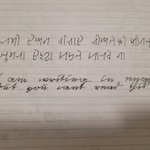



release of a stop, especially as ق is desribed as having mandatory qalqala as opposed to the other sounds in the group (a pattern matching that of south arabian languages exactly) and the fact the ك ت dont have qalqala (tho that could be explained as them having aspiration)
I'm seeing so many tweets from northeast indiantoday and i love it, especially seeing the meitei script
Call me crazy but this my preferred way to learn a language


Somethings wrong with me i thought i lost 60 chrome tabs and went into a panic (turns out i somehow opened a new chrome window on mobile?)

Studying for a language acquisition exam rn and i remembered this, its really is cool how in an environment where the only ppl i hear speaking sylheti is my family, i ended up not acquiring the ending that my parents use but instead the one that my cousins who i only met around


I remember when i used to do unnecessarily narrow phonetic transcriptions all the time, [ˈʔaː ʃɘ̠ʔ ˈpʋɪ̞̃ˑɰ̃ ˈt̻æˑʔ͡p̚ ˈpæˑʔ]


Its so interesting how we can even figure this stuff out


I have something from a sudani company thats very similar, it just dont have the distinctive embroidery


