#UN Office for Disaster Risk Reduction, dedicated to building disaster #resilience and tackling #climatechange through implementation of the Sendai Framework
Geneva
Joined August 2009
- Tweets28.5K
- Following1.3K
- Followers117K
- Likes11.5K
💧Flooded homes. Failed harvests.
Since 2000, recorded flood disasters have risen by 134% compared with the two previous decades.
Early warnings, healthy ecosystems and resilient infrastructure can reduce water risks.➡️ ow.ly/mUpM50ZZFQh
#2026UNWC
Island nations are under threat from rising seas, but healthy ecosystems can help atoll islands hold their ground:
🐦 Seabirds bring nutrients
🪸 Parrotfish turn dead coral into sand
🌿 Native plants grip the shallow soil
➡️ ow.ly/3QG550ZZGRf #ForNature #COP17Armenia
Heat then flood. Flood then heat. Heat and flood at once. 🌡️🌊
Compound events exceed the impact of single hazards – and traditional risk assessments often miss them.
Explore further ➡️ ow.ly/ukzY50ZZMPw
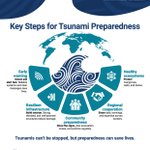
🌊🛑 We can't stop tsunamis, but we can prevent disasters.
🛡️Early warnings, resilient infrastructure and prepared communities save lives.
Be Tsunami Ready ➡️ ow.ly/jB0O50XlWjF
#TsunamiDay #EarlyWarningsForAll #ResilienceStartsWithYou
Resilience starts at home – and this October, resilience superheroes around the world helped bring that vital message to their communities 🦸
📢 Early warnings
🎒 Household preparedness
🏠 Resilient construction
➡️ ow.ly/BX0a50ZZqzj #DRRday #ResilienceStartsAtHome
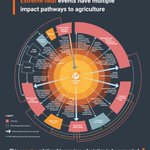
🌡️ Extreme heat is one of the most acute hazards facing agriculture.
This joint report from the FAO and WMO highlights the systemic vulnerability of agriculture to extreme heat.
Discover the report highlights here 👉 ow.ly/s8Ne50ZZp50 #BeatTheHeat
More than 1.2 million Syrians have returned home since 2024.
Housing, schools, hospitals, services – in areas exposed to floods, earthquakes & extreme heat – need to withstand future shocks, not just present needs.
➡️ ow.ly/w4q150ZZp6s #BuildBackBetter
🌧️ Investing in disaster risk reduction isn’t just common sense.
It’s sound economics: it saves lives, protects livelihoods, and reduces the spiraling costs of disasters.
Because #ResiliencePays. 💰
➡️ ow.ly/aTfE50ZZ1gg
🛰️ What can satellites tell us about bushfires before they start?
🌿 A satellite tool in Australia maps how quickly vegetation dries, helping identify areas that may need closer monitoring and preparedness.
➡️ ow.ly/HkY750ZZ16o
🌡️ Heatwaves interact with and amplify other hazards. Their impacts extend far beyond the heat itself — making a multi-hazard approach to risk management essential.
📋 Discover more about extreme heat... and how to build resilience ➡️ ow.ly/5oVa50ZZ1Lo #BeatTheHeat
Floods are more frequent & intense, impacting more lives.
🛡️Resilience must shape how we plan, invest, & respond.
We call for accelerated action to protect & preserve the environment, to reduce disaster risks. 🌱 #NowForClimate
📢 Investing in early warning systems is a smart way to fund resilience.
24 hours of warning before a hazard strikes can cut damages by 30% – saving lives, protecting livelihoods, and reducing economic losses.
➡️ ow.ly/cVzz50ZYt2A #EarlyWarningsForAll #ResiliencePays
🌱 Nature and resilience go hand in hand. GBF 8 & 11 and Sendai A–E align by reducing hazard impacts, supporting local buffers, and protecting services.
🤝Integrated DRR–biodiversity action strengthens systems and delivers multi-benefit resilience.
➡️ ow.ly/2MLj50ZYsFM
🌊 Floods cause 44% of disasters, hit 1.6B people & cost $650B.
They’re systemic:
🔹 Climate shifts 🌧️❄️🌊
🔹 Urbanisation 🏙️
🔹 Deforestation 🌲
🔹 Marginalisation ⚠️
Solutions: governance, tech, social knowledge & nature-based solutions: ow.ly/xCsi50ZYtut
🌍🔥 Wildfires don't just destroy—they leave lasting impacts on public health, infrastructure & agriculture.
To avoid devastating spillovers, communities must reduce residual risks.
Discover wildfires' 7️⃣ surprising spillovers ➡️ ow.ly/AgHz50ZYtFS
🌱 Investing in nature-based solutions is a smart way to fund resilience.
Research shows that investing in nature-based solutions to reduce disaster risks can offer returns on investment of 2.8:1.
➡️ ow.ly/q3UY50ZYsMO #ResiliencePays
🏘️ Household preparedness alone can't fix systemic risks.
Who creates risk, how does it spread, and who pays the price?
Dr. Bapon Fakhruddin explores these questions in this #DRRvoices.
➡️ ow.ly/cNzM50ZYprv
💸 When funding is released early, the impacts multiply.
As El Niño brought drought in 2023–2024, #AnticipatoryAction helped 1.6m people to protect crops, assets, food security. 🌾
The systems exist. The evidence is growing. Now it’s about scale.
➡️ ow.ly/C0iW50Zb9H7
🌊 When a tsunami strikes, there’s no time to think – only to act.
In 🇲🇺 Mauritius, teams tested their readiness:
🚨 Warnings activated
🚤 Rescues launched
🏝️ Evacuations rehearsed
When a tsunami hit, preparedness saves lives.
🌐 #TsunamiDay #EarlyWarningsForAll
Why is 3️⃣ the magic number for disaster early warnings?
📡 3+ warnings significantly strengthen people’s ability to respond
🏠 A household plan & a sense of agency make people more likely to act
➡️ ow.ly/eGEJ50ZYkfR #EarlyWarningsForAll #DRRday #ResilienceStartsAtHome