



Pinned Tweet
i’m currently building @lore_div_ , it's a public index of expertise, structured data for the agentic era, organized as an open knowledge tree.
Check it out here lorediv.com, beta release soon!


stoikwv retweeted
The @lore_div_ stack and what each layer taught me:
1️⃣ Product
Idea → design → brand → domain.
-Design, structure and plan must be complete before the first line of code. Hardest phase, most notes for next time.
2️⃣ Frontend
React 19 · TypeScript · Next.js 16 (App Router).
-Server rendering, strictly typed, one process.
3️⃣ API
tRPC v11 — end-to-end type inference, no schema generation step.
-Restarted several times before starting from zero. Internal communication is vital.
4️⃣ Data
PostgreSQL + Drizzle ORM (typed queries, migrations from the schema). Redis for caching and rate limiting.
-Every column change means reviewing everything. Design the database before writing code.
5️⃣ Auth
Auth.js v5 — X · Google · GitHub OAuth, JWT sessions, role-based access.
-The most delicate part: you never feel fully sure it is secure.
6️⃣ Monorepo
apps: landing (static) · docs (Docusaurus) ·
frontend (Next.js) · moderation (Next.js, separate
app) packages: shared (schema, types, validators) ·
server-core (db, redis, visibility, moderation)
-Each surface is its own app, and shared logic lives
in packages. One source of truth avoids duplicated code.
7️⃣ Discoverability
Every public page ships in three formats: HTML for reading, Markdown for documents, JSON for machines. Plus a WikiLinks vault one .md per idea, wired with [[links]] — that drops into any local wiki.
An llms.txt index so an agent finds the map before it crawls.
- Building for humans, agents and search engines from day one, not retrofitted.
8️⃣ Legal
Terms, privacy, cookies, ads, agents, shipped with the app, not bolted on later.
9️⃣ Ingress
Cloudflare for DNS, proxy and WAF. TLS at the edge.
-The origin publishes no inbound web ports at all.
🔟 Runtime
Caddy for host-based routing. Docker Compose for the stack. One Linux VPS.
-One compose file defines the whole environment, so it is reproducible.
1️⃣1️⃣ Security
Layered on purpose: each layer assumes the others can fail.
1️⃣2️⃣ Operations
Automated backups, alerts, and manual, controlled releases.
-Simple and easy to reason about.
1️⃣3️⃣ Testing and beta
Vitest across the unit layer, then QA, then a private beta behind an access gate.
The lesson that repeats: design first, and write down the internal contracts before you type.
Almost there! Before I open the beta, I’d really appreciate your wisdom. What’s on your pre-launch checklist? Anything you learned the hard way?
Any tip is welcome. I’m all ears

so happy!! @lore_div_ is online (private access only)
the build was successful, i’ll be running tests during this week, and if all goes well, next week, we’ll be able to open it up to anyone interested in helping with the beta test!
it’s been a rewarding journey from the idea back in april to getting the first version online on the VPS in november. i have been a full-time nerd for the last 7 months. my only goal was to see it all the way through and not give up until it was up and running online, so that’s already been achieved. from here on, anything that comes is a GIFT
Thanks to AI, see you at app.lorediv.com soon!


As a designer, what I love most about code and AI is regenerative design: designing and composing through code, following the structure I want.
Why is it the most useful design tool for me? Once you’ve designed a visual universe, you can extend its life in many ways. It’s not a flat design you have to keep pushing forward yourself and redrawing every corner; the code runs the loop and keeps it alive. With a few small export scripts for formats like WebP, PNG, or SVG, you can carry that work across applications and keep it fresh and dynamic.
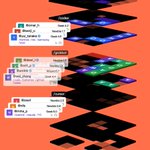
Take the hero animation on lorediv.com. It’s built entirely in JavaScript and runs in a loop, so I can adjust speed, angles, perspective, size, transparency, text, labels, numbers of elements, colors, etc.. just by changing the code.
That means I can create an animated version for a landing page or anywhere else, while also building a model behind the scenes that exports individual assets just as quickly. A design team can build a flexible library of visuals and reuse it across banners, social posts, landing pages, and more, creating consistent materials faster while adapting to each platform and keeping the brand fresh.


loving it!!
thx @Cloudflare


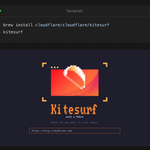
Kitesurf, our experimental browser engine for AI agents, is now open source. Inspect the code, run it locally, or deploy your own instance on Cloudflare Workers. cfl.re/4eHmAK6

1
31
stoikwv retweeted
so happy!! @lore_div_ is online (private access only)
the build was successful, i’ll be running tests during this week, and if all goes well, next week, we’ll be able to open it up to anyone interested in helping with the beta test!
it’s been a rewarding journey from the idea back in april to getting the first version online on the VPS in november. i have been a full-time nerd for the last 7 months. my only goal was to see it all the way through and not give up until it was up and running online, so that’s already been achieved. from here on, anything that comes is a GIFT
Thanks to AI, see you at app.lorediv.com soon!


The @lore_div_ stack and what each layer taught me:
1️⃣ Product
Idea → design → brand → domain.
-Design, structure and plan must be complete before the first line of code. Hardest phase, most notes for next time.
2️⃣ Frontend
React 19 · TypeScript · Next.js 16 (App Router).
-Server rendering, strictly typed, one process.
3️⃣ API
tRPC v11 — end-to-end type inference, no schema generation step.
-Restarted several times before starting from zero. Internal communication is vital.
4️⃣ Data
PostgreSQL + Drizzle ORM (typed queries, migrations from the schema). Redis for caching and rate limiting.
-Every column change means reviewing everything. Design the database before writing code.
5️⃣ Auth
Auth.js v5 — X · Google · GitHub OAuth, JWT sessions, role-based access.
-The most delicate part: you never feel fully sure it is secure.
6️⃣ Monorepo
apps: landing (static) · docs (Docusaurus) ·
frontend (Next.js) · moderation (Next.js, separate
app) packages: shared (schema, types, validators) ·
server-core (db, redis, visibility, moderation)
-Each surface is its own app, and shared logic lives
in packages. One source of truth avoids duplicated code.
7️⃣ Discoverability
Every public page ships in three formats: HTML for reading, Markdown for documents, JSON for machines. Plus a WikiLinks vault one .md per idea, wired with [[links]] — that drops into any local wiki.
An llms.txt index so an agent finds the map before it crawls.
- Building for humans, agents and search engines from day one, not retrofitted.
8️⃣ Legal
Terms, privacy, cookies, ads, agents, shipped with the app, not bolted on later.
9️⃣ Ingress
Cloudflare for DNS, proxy and WAF. TLS at the edge.
-The origin publishes no inbound web ports at all.
🔟 Runtime
Caddy for host-based routing. Docker Compose for the stack. One Linux VPS.
-One compose file defines the whole environment, so it is reproducible.
1️⃣1️⃣ Security
Layered on purpose: each layer assumes the others can fail.
1️⃣2️⃣ Operations
Automated backups, alerts, and manual, controlled releases.
-Simple and easy to reason about.
1️⃣3️⃣ Testing and beta
Vitest across the unit layer, then QA, then a private beta behind an access gate.
The lesson that repeats: design first, and write down the internal contracts before you type.
Almost there! Before I open the beta, I’d really appreciate your wisdom. What’s on your pre-launch checklist? Anything you learned the hard way?
Any tip is welcome. I’m all ears
so happy!! @lore_div_ is online (private access only)
the build was successful, i’ll be running tests during this week, and if all goes well, next week, we’ll be able to open it up to anyone interested in helping with the beta test!
it’s been a rewarding journey from the idea back in april to getting the first version online on the VPS in november. i have been a full-time nerd for the last 7 months. my only goal was to see it all the way through and not give up until it was up and running online, so that’s already been achieved. from here on, anything that comes is a GIFT
Thanks to AI, see you at app.lorediv.com soon!
heyy #buildinpublic fam how are you doing??
just wanted to say thanks 🫶 throughout the build in public journey. we finally got @lore_div_ online. the lorediv beta will be open soon at app.lorediv.com
nitter.gq/air_codex/status/21211…
so happy!! @lore_div_ is online (private access only)
the build was successful, i’ll be running tests during this week, and if all goes well, next week, we’ll be able to open it up to anyone interested in helping with the beta test!
it’s been a rewarding journey from the idea back in april to getting the first version online on the VPS in november. i have been a full-time nerd for the last 7 months. my only goal was to see it all the way through and not give up until it was up and running online, so that’s already been achieved. from here on, anything that comes is a GIFT
Thanks to AI, see you at app.lorediv.com soon!
1
5
105