

learning my way through a weird world. i read, ask too many questions, and share what helps me make sense of things. welcome to my cave 🦁
jatiasih
Joined March 2019
- Tweets10.7K
- Following2.8K
- Followers419
- Likes6.6K
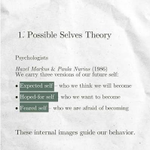






gw relate sm tweet ini, gw sendiri pernah nemu konsep yg nyambung, namanya possible selves
simpleny, ini ttg berbagai versi diri kita yg kita bayangin bakal jadi nyata suatu hari nanti. dan kadang, kita ga sadar kalau selama ini kita hidup sambil ngejar salah satu versi itu


maybe growing up means realizing we'll never become all the people we once imagined
some versions of us were lost to our choices, others to circumstances we never chose, and some never even had a fair chance to exist
assad retweeted
abis nonton blue heron semalem, gw kepikiran 1 hal yg susah banget dilepas..
kita bisa tumbuh serumah sm seseorang selama bertahun2, hafal kebiasaannya, tau kapan suasana rumah berubah gara-gara keberadaannya, tp tetep aja kita ga bs ngerti apa yg sebenernya terjadi sm org tsb


Blue Heron (⭐️⭐️⭐️⭐️) is amongst the most personal films I have ever seen, a movie so intimate that it made me stop and reflect on the purpose behind personal filmmaking. I think the answer is twofold. For someone who lived through a similar experience, a personal film is like a hand reaching out in the dark to pull you out. A form of support, of reassurance. A way of showing a person that a tragic experience does not have to be isolating, that there are other people out there who have weathered the same storms. For someone who cannot relate to the experience depicted, a personal film is a lesson in empathy, trying to understand the lived experiences of others. It’s a way of teaching people what it’s like to live a particularly difficult life and to rethink if they’ve ever come across a situation like this. I appreciated how Blue Heron made me rethink and find new appreciation for the power of film.
The story here follows a family of six who recently moved to Vancouver island for a fresh start. Told through the perspective of the youngest child, the story is very much a slice of life tale, where we see children growing up over the course of one specific summer. A working father glued to his computer. A stay at home mother constantly trying to entertain. And a troubled older brother who is the source of the family trauma. It gradually becomes apparent that the family’s decision to move was made for the sake of this one troubled individual, establishing a family dynamic in which everyone else’s lives are shaped by his struggles.
As the story unfolds, we see what it is like for a family to be consumed by the mental health struggles of a single member, and how the adults try to control an inherently uncontrollable situation. As the youngest daughter grows up and becomes a young woman, she starts to really reflect on this time in her life, and evaluate how her memories of her family have shifted and changed over time. She tries to reconcile a seemingly happy childhood in the foreground with the family trauma unfolding in the background.
Blue Heron is a very heavy and dense film, because so much of it is told from the perspective of a child who is simply too young to realize something is wrong. The story is told through hushed parental conversations overheard through a wall. Through innocently asked questions that go unanswered and are followed by a distracting computer game. Through family videos meant to capture moments of joy but end up lingering on moments of chaos. The work by writer/director Sophy Romvari is so effective at showing the way a loss of innocence doesn’t happen all at once, but through a thousand tiny fractures.
The entire first half of the film is told mostly through subtext, so you really have to be dialed in to understand what the movie is trying to say. This subtextual first half is followed by an exploratory second half, where the grown up child finally gets to unpack their childhood and how it impacted her and her family. It’s here that the film dips into a bit of fantasy, as the child longs to reach through time and space to alleviate the suffering of her parents as they drowned in their circumstances. Her desire to ease their pain is profoundly moving, and deeply relatable to anyone who has watched a loved one endure something seemingly impossible. In this second half, she also attempts to understand her brother, both the person he was within their family and the person he was beyond it. What emerges is the tragedy of a relationship left unresolved, one that can be revisited through memory but never fully repaired..


abis nonton blue heron semalem, gw kepikiran 1 hal yg susah banget dilepas..
kita bisa tumbuh serumah sm seseorang selama bertahun2, hafal kebiasaannya, tau kapan suasana rumah berubah gara-gara keberadaannya, tp tetep aja kita ga bs ngerti apa yg sebenernya terjadi sm org tsb
Blue Heron (⭐️⭐️⭐️⭐️) is amongst the most personal films I have ever seen, a movie so intimate that it made me stop and reflect on the purpose behind personal filmmaking. I think the answer is twofold. For someone who lived through a similar experience, a personal film is like a hand reaching out in the dark to pull you out. A form of support, of reassurance. A way of showing a person that a tragic experience does not have to be isolating, that there are other people out there who have weathered the same storms. For someone who cannot relate to the experience depicted, a personal film is a lesson in empathy, trying to understand the lived experiences of others. It’s a way of teaching people what it’s like to live a particularly difficult life and to rethink if they’ve ever come across a situation like this. I appreciated how Blue Heron made me rethink and find new appreciation for the power of film.
The story here follows a family of six who recently moved to Vancouver island for a fresh start. Told through the perspective of the youngest child, the story is very much a slice of life tale, where we see children growing up over the course of one specific summer. A working father glued to his computer. A stay at home mother constantly trying to entertain. And a troubled older brother who is the source of the family trauma. It gradually becomes apparent that the family’s decision to move was made for the sake of this one troubled individual, establishing a family dynamic in which everyone else’s lives are shaped by his struggles.
As the story unfolds, we see what it is like for a family to be consumed by the mental health struggles of a single member, and how the adults try to control an inherently uncontrollable situation. As the youngest daughter grows up and becomes a young woman, she starts to really reflect on this time in her life, and evaluate how her memories of her family have shifted and changed over time. She tries to reconcile a seemingly happy childhood in the foreground with the family trauma unfolding in the background.
Blue Heron is a very heavy and dense film, because so much of it is told from the perspective of a child who is simply too young to realize something is wrong. The story is told through hushed parental conversations overheard through a wall. Through innocently asked questions that go unanswered and are followed by a distracting computer game. Through family videos meant to capture moments of joy but end up lingering on moments of chaos. The work by writer/director Sophy Romvari is so effective at showing the way a loss of innocence doesn’t happen all at once, but through a thousand tiny fractures.
The entire first half of the film is told mostly through subtext, so you really have to be dialed in to understand what the movie is trying to say. This subtextual first half is followed by an exploratory second half, where the grown up child finally gets to unpack their childhood and how it impacted her and her family. It’s here that the film dips into a bit of fantasy, as the child longs to reach through time and space to alleviate the suffering of her parents as they drowned in their circumstances. Her desire to ease their pain is profoundly moving, and deeply relatable to anyone who has watched a loved one endure something seemingly impossible. In this second half, she also attempts to understand her brother, both the person he was within their family and the person he was beyond it. What emerges is the tragedy of a relationship left unresolved, one that can be revisited through memory but never fully repaired..
tentu, percakapan aja ga selalu cukup buat solve masalah keluarga. kasih sayang juga ga bisa ganti bantuan yg tepat, pemahaman, atau batasan yg sehat
tp ada perbedaan antara berusaha ngendaliin perilaku seseorang sm nyoba memahami manusia yg ada di balik perilaku itu