
Centre for International Relations. My desire to be well-informed is at odds with my desire to remain sane. RT to increase awareness-not necessarily to endorse!
Warsaw, Poland
Joined April 2012
- Tweets27.3K
- Following403
- Followers6.5K
- Likes8.8K



Eugeniusz Smolar retweeted

.@esmolar: Donald Trump nie jest prorosyjski, choć mówi do Ukraińców jak Lord Farquaad
rp.pl/plus-minus/art45485881…

Eugeniusz Smolar retweeted

4. E5, die Bergen-Gruppe und das deutsch-polnische Verhältnis
1️⃣Europa braucht in der Sicherheit und Verteidigungspolitik eine gemeinsame Führung unter Beteiligung Deutschlands, Frankreichs, des Vereinigten Königreichs, Polens und Italiens. Sie soll es ermöglichen, den Übergang zu einer NATO 3.0 voranzutreiben, die sich angesichts des amerikanischen Drucks zur Burden Shifting stärker auf europäische Fähigkeiten stützen wird.
Ansätze dazu gibt es bereits im Rahmen der E5-Gruppe, die nach dem jüngsten Treffen in Paris die Koordinierung verstärkt. Die Gespräche auf Ministerebene sollen künftig durch sogenannte „Policy and Planning Talks“ auf Ebene der Politischen Direktoren und der stellvertretenden Generalstabschefs ergänzt werden.
2️⃣Es gilt, eine enge militärische Zusammenarbeit mit den USA aufrechtzuerhalten, insbesondere an der Nordostflanke der NATO. Die von den USA initiierte Bergen-Gruppe ist in diesem Zusammenhang ein interessantes Format. Sie bringt die USA, Deutschland, Polen, die nordischen Staaten und die Niederlande zusammen und könnte diese Funktion erfüllen.
3️⃣Es bedarf eines positiven Narratives über die deutsch-polnische militärische Zusammenarbeit und die gemeinsame Verantwortung für Sicherheit an der Ostflanke. Ein solches Narrativ muss sowohl aus Berlin als auch aus Warschau kommen und durch konkrete Maßnahmen auf militärischer Ebene unterlegt werden.
Polen und Deutschland sind die zwei wichtigsten europäischen Verbündeten, wenn es um die Verteidigung der NATO-Ostflanke geht. Beide Länder sind tragende Säulen des regionalen NATO-Verteidigungsplans Zentrum, der den Ostseeraum und Mitteleuropa umfasst. Beide Länder streben zudem eine möglichst enge Partnerschaft mit den USA an.
Polen ist der größte Frontstaat unter den Verbündeten und von zentraler Bedeutung für die Verteidigung der Ostflanke. Im Konfliktfall wird Polen für die Durchführung militärischer Operationen in Richtung des Kaliningrader Gebiets und Belarus verantwortlich sein.
Deutschland wird einen Beitrag zur Verteidigung der baltischen Staaten leisten und als logistisches Drehkreuz für die NATO-Staaten an der Ostflanke fungieren.
Polen und Deutschland sind somit zentrale Akteure bei der Verteidigung der Ostflanke. Angesichts ihrer geografischen Lage und ihrer militärischen Fähigkeiten ist eine enge polnisch-deutsche Zusammenarbeit unabdingbar. Dies spiegelt sich auch im Rotationsprinzip bei der Besetzung von Führungspositionen innerhalb zentraler NATO-Kommandostrukturen wider, darunter JFC Brunssum, HQ MNC NE und CTF Baltic.
Derzeit fehlt es sowohl in der deutschen als auch in der polnischen Öffentlichkeit an einem breiten Bewusstsein für die Bedeutung der Beziehungen und der Zusammenarbeit zwischen beiden Ländern innerhalb der NATO.
In Polen ist die Zusammenarbeit mit Deutschland häufig historisch belastet und von Misstrauen geprägt, das auf die strategischen Fehlentscheidungen der deutschen Ostpolitik in den vergangenen zwei Jahrzehnten zurückgeht.
In Deutschland wiederum wird Polen nicht als gleichberechtigter Partner behandelt. Berlin ist zudem nicht bereit, in die Entschärfung historischer Streitfragen zu investieren, was die letzten Entscheidungen zeigen – table.media/berlin/talk-of-t….
All dies ändert jedoch nichts an der strategischen Realität: Beide Länder tragen zunehmend eine gemeinsame Verantwortung für die Verteidigung und Abschreckung an der NATO-Ostflanke und die Herausforderungen, die gemeinsam zu bewältigen sind, werden nur größere
2/2

Eugeniusz Smolar retweeted
Ich habe heute an dem Panel „Deutschland als Führungsmacht in Europa?“ bei der NATO-Talk-Konferenz in Berlin teilgenommen und offenbar für einigen Aufruhr im Publikum gesorgt…
Meine These: die deutsche sicherheitspolitische Debatte muss über die eigene Bubble hinausgehen.
1. Eine echte Zeitenwende, aber….
Die derzeitige Bundesregierung unter Bundeskanzler Merz hat in der deutschen Politik gegenüber Russland und der Ukraine sowie im Bereich der Sicherheitspolitik eine echte Zeitenwende vollzogen. Berlin nimmt seine Verpflichtungen innerhalb der NATO ernst und investiert verstärkt in den Aufbau militärischer Fähigkeiten.
ABER Deutschland hat in der jüngeren Vergangenheit zahlreiche strategische Fehler begangen – in der Politik gegenüber Russland und der Ukraine als auch in der Sicherheits- und Energiepolitik.
Mit Blick auf die Zukunft bereiten zudem die innenpolitischen Entwicklungen in Deutschland Sorgen, die einen Kurswechsel in der gegenwärtigen Strategie bewirken könnten. Es ist zu begrüßen, dass Kanzler Merz eine sehr prinzipienfeste Haltung hat, doch es gibt berechtigten Fragen was nach Merz kommen kann.
2. Bundeswehr - Anspruch und Realität
Deutschland beansprucht, über die stärksten konventionellen Streitkräfte Europas verfügen zu wollen. Dies ist jedoch bislang ein politischer Anspruch als eine Realität.
Deutschland wird bis 2035 zweifellos über deutlich stärkere Streitkräfte verfügen, insbesondere die Marine und Luftwaffe. Ich habe allerdings Zweifel, ob es seine ambitionierten Ziele tatsächlich erreichen wird.
Bis 2029 werden die Fähigkeiten der Bundeswehr weiterhin begrenzt bleiben. Erst danach wird ein schrittweiser Fähigkeitsaufwuchs einsetzen. Mögliche wirtschaftliche Schwierigkeiten sowie der Ausgang der Bundestagswahl 2029 könnten den Konsens zwischen den etablierten Parteien über die Bereitstellung zusätzlicher Mittel für die Verteidigung untergraben. Auch der personelle Aufwuchs der Streitkräfte dürfte sich aus politischen, gesellschaftlichen und demographischen Gründen als schwierig erweisen.
Darüber hinaus wird das Fehlen einer eigenen nuklearen Abschreckungsfähigkeit den politischen Handlungsspielraum Deutschlands und die innenpolitische gesellschaftliche Akzeptanz einer deutschen Führungsrolle im Falle eines tatsächlichen Konflikts und russischer nuklearer Drohungen einschränken. Deep Precision Strike Fähigkeiten werden dies nicht ersetzen können.
3. Deutsche Führung in Europa?
Eine deutsche Führungsrolle in der europäischen Sicherheits- und Verteidigungspolitik ist und wird in Europa umstritten sein.
Ein geringeres amerikanisches Engagement in Europa öffnet eine Büchse der Pandora. Bislang haben die USA durch ihre politische, militärische und wirtschaftliche Präsenz in Europa als stabilisierender Faktor gewirkt und innereuropäische Spannungen eingehegt.
Eine Verminderung der US Präsenz wirft daher die Frage auf, wie die künftige europäische Machtbalance gestaltet werden soll. Jeder deutsche Anspruch auf eine Führungsrolle in der europäischen Sicherheitspolitik wird vor allem von Frankreich, dem Vereinigten Königreich und auch von Polen infrage gestellt werden.
Für Frankreich und das Vereinigte Königreich würde dies eine erhebliche Veränderung ihrer bisherigen Position in Europa bedeuten. Beide Länder sind Nuklearmächte mit einer ausgeprägten strategischen Kultur. Bis jetzt beide Länder waren militärische Führungsmächte in Europa.
Für Polen, das einen bedeutenden militärischen Aufwuchs eingeleitet hat und diesen konsequent fortsetzt, würde eine solche Konstellation bedeuten, sich von einem Verbündeten abhängig zu machen, der zurzeit verlässlich ist, aber dessen innenpolitische Entwicklung schwer vorhersehbar ist.
Zusammenfassend, Deutschland kann die stärkste Macht in Europa sein, zunehmend militärisch, aber nicht stark genug, um eine europäische Führungsrolle in der europäischen Verteidigung allein zu übernehmen.
Tbc im zweiten Tweet 1/2👇

Eugeniusz Smolar retweeted

The talks in Abu Dhabi have ended. A few observations.
The fundamental obstacle to ending this war is that neither belligerent currently sees an available peace settlement that would secure its essential interests at a lower cost than continuing to fight. Negotiations can arrange prisoner exchanges and address other practical questions. But they cannot manufacture a political basis for peace where none yet exists.
For Putin, ending the war with a “victory” reduced to conquering the Donbas would create an enormous problem of historical judgment. Around 1.5 million Russian casualties, killed and wounded, to acquire another devastated stretch of Ukraine? Future generations of Russians might remember Putin as the opposite of a strategic genius: the ruler who squandered his country’s people, resources and international position for gains grotesquely disproportionate to their cost.
This helps explain Moscow’s determination to turn negotiations about its war against Ukraine into negotiations about a “new European security architecture.” Russia needs a prize larger than the Donbas. Weakening NATO, pushing the Americans out of Europe and acquiring a veto over its neighbours’ sovereign choices would provide one.
The historical precedent is clear. At the Berlin Conference in February 1954, Molotov proposed a European collective security system that would have displaced the Western alliances and relegated the United States to “observer” status. Today’s vocabulary is different; the strategic ambition is familiar. If war against Ukraine could deliver the displacement of American power from Europe, the Kremlin could present it as a historic success and draw dangerous conclusions about what further wars might achieve.
For Ukraine, the calculation runs in the opposite direction. However appalling the costs of resistance, capitulation could still cost more. What is at stake is the survival of an independent state and the continued existence of Ukrainians as a distinct political nation.
Putin’s account of Ukrainian history treats a separate Ukrainian identity as something cultivated by Russia’s enemies, including Polish elites and Austrian authorities. The dangerous implication is that what was supposedly constructed can be dismantled. Deportation, killing and forced Russification become instruments for undoing a nation whose independent existence the aggressor refuses to accept. From Kyiv’s perspective, surrender would therefore offer no reliable escape from violence. It could simply remove the means of resisting it.
Europe already has a security order worth defending. Its principles include sovereignty, territorial integrity and the freedom to choose alliances. Russia’s violation of those principles is a reason to enforce them, not to replace them with arrangements requiring Russian permission.
Nor does the United States have a compelling national interest in surrendering its position in Europe to Russia. Its European presence sustains American influence, military reach and alliances. Whatever commercial opportunities Trump, Witkoff or Kushner may see in an accommodation with Moscow, those opportunities do not establish that such a retreat would benefit America. A deal attractive to individual negotiators is not necessarily a strategic bargain for their country.
That is the underlying impasse. Moscow wants a peace that converts aggression into a wider strategic victory. Ukraine needs a peace that preserves its ability to survive. Europe cannot accept Russian control over European security, and America has no sound strategic reason to facilitate it.
Until those calculations change, the war is likely to continue. Calling the process a negotiation does not make the interests compatible. Without that compatibility, we will keep getting diplomatic choreography and, around it, this ridiculous circus.


Eugeniusz Smolar retweeted
Polecam całą rozmowę na YT: youtu.be/EFkUKXN4d2w?si=RNav…

- Koszty życia, inflacja, ceny benzyny, wynik wojny z Iranem, czyli powrót do niekończących się wojen - takie przyczyny porażki republikanów w wyborach połówkowych wskazał w "Najważniejszych pytaniach" Eugeniusz Smolar
polsatnews.pl/wiadomosc/2026…

Eugeniusz Smolar retweeted
Badania NATO ujawniły, że jeśli Polska naprawdę przystąpiłaby do wojny, potrzeba aż 45 dni, żeby Polsce dostarczyć ok. 200 tys. żołnierzy oraz sprzęt - mówi @esmolar. Całość rozmowy w „Najważnieszych pytaniach” na YT @PolsatNewsPL: youtu.be/EFkUKXN4d2w?si=5PG5…
Eugeniusz Smolar retweeted

Nyt on Suomen turvallisuuden kannalta poikkeuksellisen tärkeä hetki. Jared Kushnerin uusi avaus ansaitsee kaiken huomiomme.
Yhdysvaltain neuvottelija on esitellyt viisi tavoitetta Euroopan turvallisuudelle. Niihin kuuluvat pysyvät keskusteluyhteydet, kriisiviestintä, sotilaallisen toiminnan avoimuus, jännitteiden vähentäminen ja pitkäaikaiset turvallisuusjärjestelyt.
Tavoitteet kuulostavat paperilla toki järkeviltä. Tässä on kuitenkin yksi historiallinen yksityiskohta, jota ei pidä unohtaa.
Venäjä esitti joulukuussa 2021 omassa sopimusluonnoksessaan samankaltaisia ehdotuksia kriisiyhteyksistä, sotilaallisesta avoimuudesta ja vaaratilanteiden ehkäisemisestä.
Samassa asiakirjassa Moskova vaati Naton joukkojen sijoittelun palauttamista käytännössä vuoden 1997 asetelmaan sekä suurten sotaharjoitusten rajoittamista Venäjän lähialueilla.
Kysymys ei siis ole vain siitä, miltä uudet turvallisuusjärjestelyt kuulostavat, vaan siitä, mitä niiden mukana mahdollisesti vaaditaan.
Suomella on yli 1 300 kilometriä yhteistä rajaa Venäjän kanssa. Meille mahdolliset sotilaalliset rajoitukset eivät ole mitään teoreettista diplomatiaa.
Naton puolustussuunnitelmat perustuvat siihen, että liittolaiset voivat vahvistaa Suomen puolustusta tarvittaessa nopeasti. Ruotsi johtaa Pohjois-Suomen puolustusta tukevaa Naton joukkojärjestelyä, ja harjoitustoiminnalla valmistaudutaan liittolaisten yhteiseen puolustukseen.
Mitä tapahtuisi, jos tulevissa sopimuksissa rajoitettaisiin liittolaisjoukkojen siirtymistä Suomeen, sotaharjoitusten kokoa tai kaluston ennakkovarastointia? Entä jos kriisin aikana tarvittavien vahvistusten tuominen vaikeutuisi?
Tällaiset rajoitukset voisivat heikentää Suomen puolustusta jo ennen kuin ensimmäistäkään laukausta ammutaan.
Erityisen tarkkana on oltava vastavuoroisuuden kanssa. Venäjä voi keskittää joukkoja omalla alueellaan, kun taas Suomen puolustus tarvitsee myös muista Nato-maista saapuvia vahvistuksia. Samalta näyttävä rajoitus voi siksi vaikuttaa osapuoliin aivan eri tavalla.
Myös sotilaallisen avoimuuden sisältö ratkaisee. Harjoitusten ennakkoilmoitukset ja kriisiyhteydet voivat vähentää väärinkäsityksiä. Niiden ei kuitenkaan pidä vaarantaa puolustusvalmistelujen luottamuksellisuutta tai antaa Venäjälle mahdollisuutta ennakoida, milloin ja miten Nato vahvistaa puolustustaan.
Kushner on vakuuttanut, ettei yksikään valtio saa veto-oikeutta muiden turvallisuusratkaisuihin ja että Nato säilyy Euroopan puolustuksen perustana. Tämä on tärkeä lähtökohta.
Meidän pitää silti kysyä, miten mahdolliset sopimukset valvotaan ja mitä tapahtuu, jos Venäjä rikkoo niitä.
Euroopassa on rakennettu asevalvontaa ja luottamusta vuosikymmeniä. Ongelma ei ole ollut vain yhteisten sääntöjen puute, vaan myös Venäjän valmius rikkoa niitä. Uusi sopimus ei itsessään muuta tätä tosiasiaa.
Me emme liittyneet Natoon saadaksemme Venäjältä uudenlaisia rajoituksia oman puolustuksemme järjestämiseen.
Sotilaallista jännitystä kannattaa vähentää. Sellaista turvallisuusjärjestelmää ei kuitenkaan pidä rakentaa, jossa hyökkääjän asemaa helpotetaan rajoittamalla puolustautujien toimintavapautta.
Suomen turvallisuus ei saa olla hinta, joka maksetaan Ukrainan sodan päättämisestä.
kyivpost.com/post/89289

Eugeniusz Smolar retweeted

Mocny finał XXXI Seminarium Śląskiego z Eugeniuszem Smolarem i prof. Krzysztofem Ruchniewiczem: debata „Trumpizm a Europa – w poszukiwaniu źródeł bezpieczeństwa i rozwoju”.
Dziękuję Lucjanowi Dzumli, Irenie Machurze i mniejszości niemieckiej za 30 lat polsko-niemieckiego dialogu!
@NiemcywPolsce @DWPN_Haus


Eugeniusz Smolar retweeted

Excellent statement by @SecRubio re Poland’s deserved place in the G20. Not the best moment for a political & constitutional crisis in Poland.

Rubio just now: “I'd also like to take a moment to note the inclusion of Poland as a full participant in this G20. President Trump believes their economic success and growing global influence is exactly what the G20 needs to tackle the major economic challenges we all face, and we're very excited to have them with us here today and this week.”
Eugeniusz Smolar retweeted
As discussions about a possible Trump–Putin–Xi summit resurface, it is worth revisiting a memorandum prepared by Professor Richard Pipes for President Ronald Reagan in May 1982.
Pipes explained what Soviet leaders sought to achieve through summits with American presidents - and under what conditions Washington should agree to such meetings.
A remarkably relevant and timeless lesson in how to deal with Putin's Russia. Diplomacy requires more than a willingness to talk. It requires a clear understanding of what the other side hopes to gain.
👇
"Washington, May 14, 1982
Summits with Soviet Leaders
Soviet leaders are keen on summits with U.S. Presidents and for good reason. They feel confident they will come out ahead in such encounters because:
- their government has greater continuity than ours and therefore greater store of expertise in international affairs;
- well-publicized summits arouse expectations in free societies which enable Moscow, by manipulating Western opinion, to exert pressure on their opposite numbers for unreciprocated concessions.
They further favor summits because they afford them the opportunity to size up the President as a person and as a statesman.
Experience indicates that U.S.-Soviet summits, from Roosevelt’s Yalta to Nixon’s Moscow, have generally turned out to the disadvantage of the United States. Still, inasmuch as every U.S. President since 1933 has personally met with his Soviet counterpart, it will be difficult for you to reject a summit altogether. A full-fledged summit, however, should take place only if the following conditions are met:
- Moscow demonstrates by deeds rather than words that it is prepared to negotiate seriously.
- The groundwork is well prepared beforehand so that you discuss concrete agenda items and do not become embroiled in longwinded ideological disputes of the kind that Khruschev lured Kennedy into in Vienna in 1961 and which invariably end in the hardening of respective positions.
A good model to follow in this matter is President Eisenhower who had given it much thought. In 1953, after Stalin’s death President Eisenhower came under great pressure from our Allies (especially Britain) and the State Department to hold a summit with G. Malenkov, Stalin’s immediate successor.
In his memoirs, Eisenhower tells why he resisted these pressures. He reviews the disappointing experiences of Woodrow Wilson and Franklin Roosevelt with summit meetings and says: “I was . . . not willing to meet with Communist leaders unless there was some likelihood that the confrontation would produce results acceptable to the peoples of the West”. I developed a stock answer to any question about a possible Summit. I would not go to a Summit merely because of friendly words and plausible promises by the men in the Kremlin; actual deeds giving some indication of a Communist readiness to negotiate constructively will have to be produced before I would agree to such a meeting.”
He was rewarded for his firm stand with a Soviet troop withdrawal from Austria. This is a good principle to keep in mind as the Russians increase their pressure for a summit. It would be best to have no summit this year: but if one is to be held the Russians should be required to demonstrate their good will by such actions as acceptance of our “zero option”, withdrawal from Afghanistan or lifting of the martial law in Poland."
FRUS, 1981–1988, t. III, dok. 170, „Summits with Soviet Leaders".


Eugeniusz Smolar retweeted

President Trump’s decision to lift sanctions on Russian fuel amidst Putin’s ongoing and brutal attacks on civilian targets in Ukraine makes no sense and is a betrayal of the legacy and leadership of the late Senator Lindsey Graham.
While Ukraine fights for its survival, Putin’s war machine continues to prosecute his terrorist war on civilian populations and innocent Ukrainians are dying every day.
Now, Instead of implementing the tough sanctions Lindsey Graham fought to his last breath to enact, President Trump has announced the United States is lifting sanctions on Russian energy, fueling the Putin’s war machine.
As I saw firsthand in Ukraine last month, Putin is losing this war. Ukraine has fought the Russian military to a standstill and reinvented warfare with drones taking the fight into the heart of Russia.
America should not be throwing a lifeline to Putin’s war machine. Now is the time to stand strong against Russian aggression as we did during the first Trump administration.
Putin doesn’t want peace. Putin wants Ukraine. I have no doubt that if Putin overruns Ukraine, it will only be a matter of time until Russia’s military crosses a border that our troops will have to deal with him.
America is the Leader of the Free World. For our National Security, for the security of our Allies in Europe including Ukraine, President Trump should rescind this deal immediately and return to the strong policies of our four years in the White House; impose harsh sanctions on any nation purchasing Russian energy and work with our allies to ensure Ukraine has the military support it needs to repel and defeat this Russian invasion once and for all. Slava Ukraini🇺🇸🇺🇦
Eugeniusz Smolar retweeted

🧭Wywołanie chaosu w Polsce przez Federację Rosyjską nie jest absolutnie celem samym w sobie. Oczywiście, to pomocna sprawa do zarządzania bieżącym kierunkiem operacyjnym, ale w gruncie rzeczy jest tylko narzędziem do szerszego kontestu na całym teatrze, ze szczególnym uwzględnieniem Ukrainy.
W świetle tego, "Biała księga rosyjskich aktów sabotażu i dywersji wobec członków Rady Państw Morza Bałtyckiego" autorstwa @FilipBryjka, @Anna_M_Dyner, @koziol_sasza, jest unikatowa, bo jako jeden z nielicznych raportów systematycznie porządkuje cztery lata (od 24 lutego 2022 do 13 kwietnia 2026) rosyjskiej kampanii hybrydowej poniżej progu wojny kinetycznej, w najbardziej nas interesującej części świata, na wschodniej flance @NATO.
Zdecydowana większość aktów dywersji i sabotażu odnotowanych w Europie od pełnoskalowej inwazji na Ukrainę uderzała w państwa RPMB. Z ok. 151 takich działań na terytorium UE aż 83 dotyczyło tych państw, a Polska, jako główny hub logistyczny pomocy dla Ukrainy, ma ich najwięcej (31).
Dziś obserwujemy kolejne kroki z wachlarza możliwości adwersarzy, ale nadal kluczowy jest sabotaż infrastruktury krytycznej, energetyki, gospodarki wodnej, ataki na kable i rurociągi podmorskie z użyciem floty cieni, tory kolejowe, magazyny, cele miękkie jak centra handlowe, naruszenia granic i przestrzeni powietrznej, masowe zakłócenia GPS oraz operacje kognitywne mające siać panikę i podziały.
Polecam każdemu. A Pani @Anna_M_Dyner gorąco dziękuję, jak zawsze, za życzliwość i chęć współpracy <3
@instwolnosci @WarsawFreeInst @PISM_Poland @PiotrSzyman @Maciej_Korowaj @EFI_IWF @SlubowskiG @DenisSalnikovPL @IgorJanke @KanalOtwarty_pl @patrycjuszwyzga @TomaszPiechal

Eugeniusz Smolar retweeted

📢 Przypominamy o trwającym konkursie na stanowisko dyrektora Polskiego Instytutu Spraw Międzynarodowych.
Prosimy osoby zainteresowane o:
✅zapoznanie się z ogłoszeniem zamieszczonym na stronach MSZ
✅przesyłanie zgłoszeń w terminie do 21.10.2026 r.
👇Kryteria udziału i inne szczegóły dostępne tutaj: 👇
gov.pl/web/dyplomacja/oglosz…

Eugeniusz Smolar retweeted

Rosja zajmuję Ukrainę. Co to oznacza dla Polski?
Odcinamy całą pomoc dla Ukrainy. Zamykamy lotnisko w Rzeszowie. Ani palety, ani naboju. Tak, jak chce Konfederacja. Co dalej?
Jasionka stoi pusta. Przez Polskę szło osiemdziesiąt procent zachodniej broni dla Ukrainy. Teraz nie idzie nic. Ukraiński żołnierz liczy naboje.
Miesiąc szósty. Front pęka. Dziś mamy w Polsce milion Ukraińców. Chcieli mniej. Dostajemy drugą falę, kilka milionów uchodźców, w tym uśpieni rosyjscy agenci.
Po roku Ukraina upada i mamy 1160 kilometrów granicy z Rosją i Białorusią. Najbardziej doświadczona armia współczesnej Europy, która od 4 lat uczy się zabijać dronami staje przeciwko nam. A wraz z nimi największy przemysł zbrojeniowy Europy.
Duński wywiad policzył resztę. Po pół roku Rosja będzie gotowa na wojnę lokalną, a po dwóch - na regionalną.
Oszczędzimy na cudzej wojnie. Zapłacimy za własną.
A co zrobi Konfederacja w obliczu takiej sytuacji?

Eugeniusz Smolar retweeted
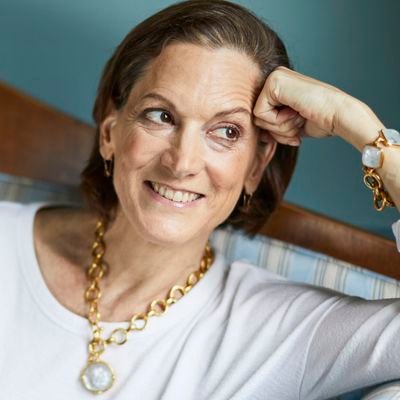
Amazing detail in this @wsj article about Kimberly Guilfoyle, US ambassador to Greece: she told a Greek minister, in a conversation about the collapse of the Romanian government,“We can do that to any country we want. We can do that here."
wsj.com/articles/kimberly-gu…

Eugeniusz Smolar retweeted

„KOR-owcy nie zostawili nam gotowej instrukcji obsługi historii. Zostawili pewien sposób myślenia: kiedy pojedynczy człowiek jest bezsilny, trzeba znaleźć innych”– pisze na bloguIdei Zofia Krajewska, koordynatorka Organizing Hubu w Fundacji Huba, socjolożka.

Eugeniusz Smolar retweeted

Zachęcam do lektury naszej rozmowy, a także książki Eugeniusza Smolara pt "Chaos bezsojuszu" - dostępna za darmo online :)

@KarolinaZby– @esmolar: Trump nie jest prorosyjski. Jest proamerykański” , @FocusEuropepl focuseurope.pl/swiat/wywiady…
Rozmowa wokół książki: „Chaos bezsojuszu. Polska i Europa wobec rumowiska starego świata”, wydała @BatoryFundacja i jest dostępna bezpłatnie: batory.org.pl/publikacja/cha…
