

I AM Evolving beyond identity and returning to true self.
Joined October 2024
- Tweets56.2K
- Following320
- Followers7.2K
- Likes73.3K






Tomas retweeted
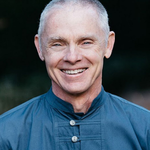
Adyashanti once said:
"Enlightenment is a destructive process. It has nothing to do with becoming better or being happier. Enlightenment is the crumbling away of untruth. It's seeing through the facade of pretence. It's the complete eradication of everything we imagined to be true."
I resonate with that..

In the early 1980s, a 19-year-old bicycle racer in California read about enlightenment in a book and decided he was going to get it.
His name was Stephen Gray.
He had no guru and no monastery. He had the discipline of an athlete who was used to winning by training harder than everyone else.
What followed was six years of the most stubborn seeking you can imagine.
He built a small meditation hut in his parents’ backyard.
By day he worked in his father’s machine shop, and then he walked out to the hut and sat, two, three, sometimes four hours a day.
He found a Zen teacher, sat long silent retreats, and trained his mind the way he had trained his legs:
harder, longer, more.
Every hour on the cushion was another attempt to get somewhere, to break through, to finally arrive.
Then one day, sitting in that hut, he made a decision. Today he would break through.
Within seconds, the whole effort collapsed, and a thought came that he had never let himself think:
“I can’t do this.”
What came next was so intense he was sure he was going to die. Energy tore through his body, his heart raced, and instead of fighting it, he let it happen.
Then everything stopped. In his own words, there was just space.
He got up, bowed to the little Buddha statue in the hut, and burst out laughing.
For six years he had been chasing the Buddha. In that moment he saw that the Buddha he had been chasing was what he was.
Think about what that means.
The thing he had been trying to reach was the one doing the reaching. Every hour of effort had been the seeker looking for himself.
Today the world knows Stephen Gray as Adyashanti.
For almost thirty years he taught people all over the world, and he kept repeating the one thing most seekers don’t want to hear.
He put it in five words.
Enlightenment is a destructive process.
It has nothing to do with becoming better or happier, he said. It is the crumbling away of untruth.
Most of us are still sitting in the hut.
> Meditating to become calmer.
> Reading to become wiser.
> Doing the work to become a better version of ourselves.
Stephen Gray trained for six years to win enlightenment.
It came the moment he lost.
Not because effort is useless.
Because the one making the effort was the only thing standing in the way.


First, you lose yourself in the dream. Then, you wake up from it. And finally, you learn to dance in it.
fastest way to co-own a 50k youtube channel?
drink ayahuasca on it first.
let me take you back to 2017.
I was finishing a master's in electrical engineering. my brain needed everything measured.
then breathwork, meditation and cold showers cracked something open. I felt high without drugs.
I couldn't measure that. I've been following it ever since.
last year a youtuber asked me to drink ayahuasca in front of his camera for a documentary.
the engineer with logical thinking in me said no.
I said yes.
a guy who used to test cars at volvo, lying on a mat while a plant took apart everything he thought he was. on film..
it was the strangest yes of my life.
next month we shoot the second documentary.
mushrooms this time. on camera again.
but I'm not walking in as the guest.
I'm walking in as co-founder.
it's my channel too now. 50,000 followers.
everyone's waiting for the right opportunity to show up.
mine looked like a cup of ayahuasca and a camera in my face.


In 1998, eleven years after he died, the Vatican issued a formal warning about the books of a Jesuit priest.
It said his ideas could cause grave harm.
And the man who signed it would later become Pope.
The priest was Anthony de Mello. He was born in Bombay in 1931, joined the Jesuits as a teenager, and trained as a psychotherapist. In 1972 he founded an institute near Poona, and from there he travelled the world giving retreats.
He didn't teach like a priest. He taught in short stories and silent exercises, mixing the Gospels with Eastern meditation and psychology in the same room.
And he kept coming back to one message.
Spirituality, he said, means waking up.
"Most people, even though they don't know it, are asleep"
Asleep through their careers, their marriages, their whole lives, without ever once seeing what life actually is.
On June 2, 1987, he died suddenly of a heart attack in New York.
He was 55.
His talks were collected into a book called Awareness, and it went on to be read all over the world.
Then, in June 1998, the Congregation for the Doctrine of the Faith published its notification. It was signed by Cardinal Joseph Ratzinger, the future Pope Benedict XVI, and approved by Pope John Paul II.
It accused de Mello of speaking about God as something without form or image, to the point of calling God a pure void. It said that, for him, any belief in God or in Christ could only stand between a person and the truth.
The verdict was that his ideas were incompatible with the Catholic faith.
Some editions of his books still carry a warning printed inside.
But here is the part almost nobody notices.
The same document admits his books hold real Eastern wisdom. It even says they can help in "breaking the bonds and feelings that keep us from being free."
The warning against him says his books help people become free.
Think about what that means.
The Church read him closely and understood exactly what he was saying. Not that God doesn't exist. That no belief about God is God.
And for anything built on belief, that is far more dangerous than doubt.
Most of us will never defend a doctrine. But we defend our beliefs about ourselves just as fiercely.
> I'm the anxious one.
> I'm not good enough.
> I'm the spiritual one.
Every one of them is a label. A belief about you, repeated so often that it started to feel like you.
That is what de Mello meant by sleep. Not lying in bed with your eyes closed. Mistaking the label for the one who is wearing it.
A belief about God isn't God.
A belief about you isn't you.
The Vatican warned that his books could cause grave harm.
To the part of you that wants to stay asleep, they can.


Adyashanti once said:
"Enlightenment is a destructive process. It has nothing to do with becoming better or being happier. Enlightenment is the crumbling away of untruth. It's seeing through the facade of pretence. It's the complete eradication of everything we imagined to be true."
I resonate with that..
In the early 1980s, a 19-year-old bicycle racer in California read about enlightenment in a book and decided he was going to get it.
His name was Stephen Gray.
He had no guru and no monastery. He had the discipline of an athlete who was used to winning by training harder than everyone else.
What followed was six years of the most stubborn seeking you can imagine.
He built a small meditation hut in his parents’ backyard.
By day he worked in his father’s machine shop, and then he walked out to the hut and sat, two, three, sometimes four hours a day.
He found a Zen teacher, sat long silent retreats, and trained his mind the way he had trained his legs:
harder, longer, more.
Every hour on the cushion was another attempt to get somewhere, to break through, to finally arrive.
Then one day, sitting in that hut, he made a decision. Today he would break through.
Within seconds, the whole effort collapsed, and a thought came that he had never let himself think:
“I can’t do this.”
What came next was so intense he was sure he was going to die. Energy tore through his body, his heart raced, and instead of fighting it, he let it happen.
Then everything stopped. In his own words, there was just space.
He got up, bowed to the little Buddha statue in the hut, and burst out laughing.
For six years he had been chasing the Buddha. In that moment he saw that the Buddha he had been chasing was what he was.
Think about what that means.
The thing he had been trying to reach was the one doing the reaching. Every hour of effort had been the seeker looking for himself.
Today the world knows Stephen Gray as Adyashanti.
For almost thirty years he taught people all over the world, and he kept repeating the one thing most seekers don’t want to hear.
He put it in five words.
Enlightenment is a destructive process.
It has nothing to do with becoming better or happier, he said. It is the crumbling away of untruth.
Most of us are still sitting in the hut.
> Meditating to become calmer.
> Reading to become wiser.
> Doing the work to become a better version of ourselves.
Stephen Gray trained for six years to win enlightenment.
It came the moment he lost.
Not because effort is useless.
Because the one making the effort was the only thing standing in the way.
Tomas retweeted
In the early 1980s, a 19-year-old bicycle racer in California read about enlightenment in a book and decided he was going to get it.
His name was Stephen Gray.
He had no guru and no monastery. He had the discipline of an athlete who was used to winning by training harder than everyone else.
What followed was six years of the most stubborn seeking you can imagine.
He built a small meditation hut in his parents’ backyard.
By day he worked in his father’s machine shop, and then he walked out to the hut and sat, two, three, sometimes four hours a day.
He found a Zen teacher, sat long silent retreats, and trained his mind the way he had trained his legs:
harder, longer, more.
Every hour on the cushion was another attempt to get somewhere, to break through, to finally arrive.
Then one day, sitting in that hut, he made a decision. Today he would break through.
Within seconds, the whole effort collapsed, and a thought came that he had never let himself think:
“I can’t do this.”
What came next was so intense he was sure he was going to die. Energy tore through his body, his heart raced, and instead of fighting it, he let it happen.
Then everything stopped. In his own words, there was just space.
He got up, bowed to the little Buddha statue in the hut, and burst out laughing.
For six years he had been chasing the Buddha. In that moment he saw that the Buddha he had been chasing was what he was.
Think about what that means.
The thing he had been trying to reach was the one doing the reaching. Every hour of effort had been the seeker looking for himself.
Today the world knows Stephen Gray as Adyashanti.
For almost thirty years he taught people all over the world, and he kept repeating the one thing most seekers don’t want to hear.
He put it in five words.
Enlightenment is a destructive process.
It has nothing to do with becoming better or happier, he said. It is the crumbling away of untruth.
Most of us are still sitting in the hut.
> Meditating to become calmer.
> Reading to become wiser.
> Doing the work to become a better version of ourselves.
Stephen Gray trained for six years to win enlightenment.
It came the moment he lost.
Not because effort is useless.
Because the one making the effort was the only thing standing in the way.
Tomas retweeted
In 1909, on a beach in southern India, a man looked at a thin, quiet boy and announced he had found the next Messiah.
The man was Charles Leadbeater, a leader of the Theosophical Society, who claimed he could see auras.
The boy was the son of one of the Society’s employees.
Leadbeater said the boy’s aura held no trace of selfishness.
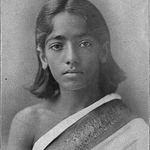
His name was Jiddu Krishnamurti.
What happened next was one of the strangest projects in spiritual history.
The Society’s president, Annie Besant, became his legal guardian. He was taken to England, educated, and trained for one purpose:
to become the vehicle for the coming World Teacher.
In 1911, they built an organisation around him, the Order of the Star in the East, with Krishnamurti at its head.
It grew into a global movement with more than 43,000 members. A Dutch baron gave him a castle with 5,000 acres of woodland. In 1927, Besant declared publicly that the World Teacher was here.
Thousands were waiting for him to speak as the Messiah.
On August 3, 1929, at a camp in Ommen in the Netherlands, he finally did.
In front of Annie Besant and about 3,000 members, he dissolved the entire order.
"Truth is a pathless land," he told them.
No religion, no sect, and no organisation could lead anyone to it. A belief could not be organised. He did not want followers.
He gave back the castle. He returned the money and the land.
People who had spent twenty years preparing to follow him were told there was nothing to follow.
Think about what that took.
He was 34. He had been handed everything a spiritual teacher could want:
devotees, wealth, land, a global platform, and a ready-made identity as the saviour of humanity.
And he walked away from the one thing almost nobody walks away from.
Being someone.
For the next 57 years, he travelled the world saying the same uncomfortable thing in a hundred different ways.
No authority can see the truth for you. Not a guru, not a method, not him.
You have to watch your own mind, the fear, the comparison, the endless striving to become something, until you see that the one watching is made of the same thing it’s watching.
He put it in four words.
The observer is the observed.
Most of us are still waiting for someone to arrive.
The right teacher.
The right method.
The day we’ll finally be ready.
In 1929, the World Teacher arrived.
And the first thing he did was send everyone home.
Not because there was nothing to find.
Because no one else could ever find it for you.


Tomas retweeted
If you want to dramatically deepen your sense of inner peace, learn to return to the awareness behind your thoughts. Worries about the future, memories of the past, the constant need to control everything. Most of it is just the mind pulling you away from what you already are. Be still, recognize the awareness that is always here, and let everything else come and go.
In 1909, on a beach in southern India, a man looked at a thin, quiet boy and announced he had found the next Messiah.
The man was Charles Leadbeater, a leader of the Theosophical Society, who claimed he could see auras.
The boy was the son of one of the Society’s employees.
Leadbeater said the boy’s aura held no trace of selfishness.
His name was Jiddu Krishnamurti.
What happened next was one of the strangest projects in spiritual history.
The Society’s president, Annie Besant, became his legal guardian. He was taken to England, educated, and trained for one purpose:
to become the vehicle for the coming World Teacher.
In 1911, they built an organisation around him, the Order of the Star in the East, with Krishnamurti at its head.
It grew into a global movement with more than 43,000 members. A Dutch baron gave him a castle with 5,000 acres of woodland. In 1927, Besant declared publicly that the World Teacher was here.
Thousands were waiting for him to speak as the Messiah.
On August 3, 1929, at a camp in Ommen in the Netherlands, he finally did.
In front of Annie Besant and about 3,000 members, he dissolved the entire order.
"Truth is a pathless land," he told them.
No religion, no sect, and no organisation could lead anyone to it. A belief could not be organised. He did not want followers.
He gave back the castle. He returned the money and the land.
People who had spent twenty years preparing to follow him were told there was nothing to follow.
Think about what that took.
He was 34. He had been handed everything a spiritual teacher could want:
devotees, wealth, land, a global platform, and a ready-made identity as the saviour of humanity.
And he walked away from the one thing almost nobody walks away from.
Being someone.
For the next 57 years, he travelled the world saying the same uncomfortable thing in a hundred different ways.
No authority can see the truth for you. Not a guru, not a method, not him.
You have to watch your own mind, the fear, the comparison, the endless striving to become something, until you see that the one watching is made of the same thing it’s watching.
He put it in four words.
The observer is the observed.
Most of us are still waiting for someone to arrive.
The right teacher.
The right method.
The day we’ll finally be ready.
In 1929, the World Teacher arrived.
And the first thing he did was send everyone home.
Not because there was nothing to find.
Because no one else could ever find it for you.
Built this website for a local business this week.
Funny thing is, I've never been a web designer.
But I've learned something far more valuable than any technical skill: how to master my inner world.
How to find solutions when I don't have the answers. How to think beyond the obvious. How to overcome challenges without getting lost in them.
And most importantly, how to work with flow instead of force.
Once you understand the inner game of life, the outer challenges start looking very different.
You stop asking, "Can I do this?"
And start asking, "How can I make this happen?"
If you want to dramatically deepen your sense of inner peace, learn to return to the awareness behind your thoughts. Worries about the future, memories of the past, the constant need to control everything. Most of it is just the mind pulling you away from what you already are. Be still, recognize the awareness that is always here, and let everything else come and go.
Tomas retweeted
If you want real freedom, stop trying to feel better and start getting better at feeling, letting every emotion that arises (fear, uncertainty, irritation) stay as long as it needs without a single thought trying to fix it. Whatever you fully allow is finally free to leave.
Tomas retweeted
In 2017, a book about yoga appeared on Amazon with no author photo.
Kriya Yoga Exposed: The Truth about Kriya Yoga Gurus and Organizations.
The author was called SantataGamana.
He had no face, no biography, no ashram, no lineage, and no organization asking for loyalty. There was only a pen name, and a book that did something spiritual books rarely do. It questioned the people selling the path.
More books followed:
on kundalini, on samadhi, on turiya, on lucid dreaming, on tantra.
One of them, The Yoga of Consciousness, held 25 practices that all pointed at the same thing: not a new state to reach, but the awareness you already are.
People all over the world read them. Thousands left reviews.
And nobody knew who had written them.
Think about how unusual that is.
The spiritual world runs on personalities.
Faces on walls. Gurus with followers, followers with gurus. Robes, titles, organizations, Instagram accounts. The teacher often becomes the thing people chase, and the teaching becomes the price of admission.
SantataGamana took the person out of it.
You couldn't worship him. You couldn't follow him. You couldn't build an image of him in your head, because there was nothing to build it from.
All you had was the pointing.
And the pointing always went back to you.
> Who is reading this sentence?
> What notices the thought that says you aren't there yet?
> When you look for the one who is looking, what do you actually find?
For six years, a man with no face kept asking readers to find the one who has no face.
Then, in 2023, he published Liberation:
A Spiritual Autobiography, revealing who was behind the pen name.
His name is Av Neryah.
I know this story from the inside.
Because I was one of those readers.
For years, his books were my teacher. I practised from them. I argued with them. I went back to them when everything else stopped making sense.
In 2021, I sent an email to a man I had never seen.
Three years later, he was guiding me himself.
Av Neryah is my teacher, but more importantly, a friend..
I won't try to convince you of what he has realized. That was never the point of his books, and it isn't the point of this post.
But here is what years of being guided by someone I couldn't see taught me.
The guidance never came from the face.
It came from the one thing he kept pointing to.
The one thing I had never seen either.
THE ONE who is LOOKING.
Tomas retweeted
The older I get,
the more I understand:
Peace isn't about having more.
It's about needing less.
Less approval.
Less explaining.
Less proving.
Less chasing.
Less caring who doesn't understand.
I'm not becoming someone new.
I'm finally becoming myself again.
What did you stop needing as you got older?