

Interim CTO. I fix stuck engineering orgs: scale-ups or corporate tech teams. No frameworks, no slide decks. Just shipping.
Netherlands
Joined September 2008
- Tweets3.5K
- Following296
- Followers538
- Likes292
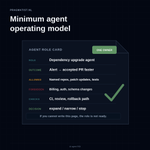



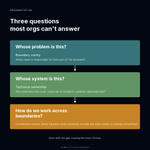

Minimum agent operating model:
clear role, one owner, defined scope, forbidden areas, approved tools, checks, escalation path, success metric, stop condition.
If you cannot write that page, the role is not ready.

2
30
The best first AI agent pilot is usually a six-week test of one narrow role.
Not an "AI programme".
1
1
31


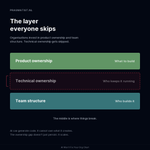
If an agent needs half the company involved to make one safe change, the prompt is not the problem.
You have an ownership problem, a boundary problem, or an architecture problem.
Usually all three.
12
Do not start with an AI transformation programme.
Start with one owned role, one clear scope, one before-state measure, and a six-week decision point.
Expand on evidence. Not enthusiasm.
16
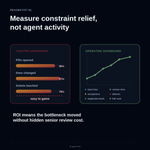
One dependency-upgrade pilot opened 38 PRs in six weeks.
31 merged after minor edits.
Median alert-to-merge time dropped from roughly 3 weeks to under 4 days. Review time stayed flat.
That is the standard. More useful work, same review cost.
32
One useful agent role I saw did not answer customers.
It routed support escalations with evidence.
214 escalations went through it. 76% were accepted without rerouting. Median time to first technical owner fell from 9 hours to 2.5.
That is what ROI looks like. Constraint relief, not theatre.
17
If you are measuring agent ROI, start with operational metrics:
lead time, review time, acceptance rate, defect rate, neglected work cleared, full cost of ownership.
Anything else is too easy to game.

8
PRs opened, lines changed, tickets touched.
Those are activity metrics.
ROI means a real constraint moved without quietly dumping cost into review, rework, or incident risk.
1
1
16