

Reinstating my account to share my job situation at the University of Liverpool
- Tweets2.2K
- Following0
- Followers977
- Likes4.6K








ALT Tom Ebeyer hosts researchers Reshanne Reeder and Bridget Mawtus on World Mental Health Day Oct 10th @ 2 pm to unveil the latest findings on aphantasia's impact on mental healthcare. Rethink therapy. Challenge assumptions. Personalize care.
ALT Tom Ebeyer hosts researchers Reshanne Reeder and Bridget Mawtus on World Mental Health Day Oct 10th @ 2 pm to unveil the latest findings on aphantasia's impact on mental healthcare. Rethink therapy. Challenge assumptions. Personalize care.

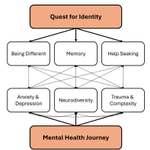
ALT Altogether, this research reveals that aphantasics experience similar levels of mental health distress to imagers, but symptomatic experiences and response to treatment techniques are fundamentally different. The application of this knowledge into practice may support more personalized pathways into mental healthcare. Key to this is the therapeutic relationship; a relationship built on mutual trust, respect, and professional curiosity, can transform the sometimes painful quest for identity into a positive mental health journey toward self-acceptance and compassion, for aphants and imagers alike. By including an understanding of aphantasia in these discussions, it is our hope that these insights will support positive mental healthcare outcomes for everyone.