

Duct Taping Engineer | Sevillian in Poland | Notes to self and smart-ass replies
Krakow, Poland
Joined March 2025
- Tweets9.7K
- Following987
- Followers544
- Likes33.9K





Estoy en un evento tech en Krakow en plan lo que hacéis los chavales que me caéis bien en Españita.
Y me están entrando ganas de trazar un puente entre estos 2 maravillosos países. Pero no sé cómo.


Lo bonito de este debate es que ambas posiciones maximalistas usan exactamente el mismo mecanismo mental para montar su argumentario.

Seth Rogen says he and his wife are now more grateful than ever that they decided not to have children he’s not afraid to explain why.
He admits they used to question whether they’d made the right decision, but now their conversations have shifted to, “Honestly, thank God we don’t have children.”
His reasoning? They’re in the prime of their lives, understand themselves better than ever, and have the freedom to pursue their careers, enjoy life, and build the kind of relationship they’ve always wanted.
But Seth took it a step further, saying he sees people with children struggling to find the same time for work and personal enjoyment that he and his wife have.
“I seem to get a lot more active enjoyment out of not having kids than anyone I know seems to get out of having kids.”
That statement will probably divide people. Some see raising children as life’s greatest joy, while others believe a fulfilling life doesn’t have to include parenthood.
Do you think Seth has a point, or is there a kind of happiness you can only understand after having children?
Sigo enunciando mis dramas en voz alta:
Te has gastado una cantidad no despreciable en darle forma a un plan detallado con /wayfinder y /grill-me de @mattpocockuk y Opus 5.5.
Quieres delegar la implementación a algo más barato.
¿Cuál escoges?
14%Sonnet 5.5
20%Sol 6.1
51%Deja Opus 5.5, tieso
14%Otro, pedazo de cabestro
35 votes • 33 minutes


Printing this to stick it to some walls:

Le escuché algo parecido a @dobleio en nan.builders hace poco.
Me surgen 2 preguntas:
1. ¿Cuáles son los argumentos en contra? Me encantaría que alguien nos cuente por qué piensa que esto es una gilipollez.
2. ¿Cómo lo reconciliamos con elegir el modelo eficaz y eficientemente con respecto a cada tarea? No es lo mismo hacer un refactor de 3k líneas que mandar un correo.
nitter.gq/thorstenball/article/2…

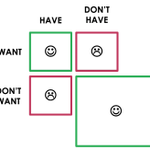
This is a mental model I didn't know I wanted and I have now:
"We should feel gratitude for the things that we don’t want and don’t have."
Thanks, @DavidEpstein.
davidepstein.substack.com/p/…


Como alguien que se está planteando si usar seriamente algunos de sus servicios, puedo decir que que en esto lleva razón al 100 %:
"Perception is more important than truth, the truth doesn't matter if you don’t win on perception."
😬

Yen on communicating about the encryption implementation of Proton Mail:
“Perception is more important than truth, the truth doesn’t matter if you don’t win on perception.”
404media.co/manifestos-fear-…

Pedro Antúnez retweeted

RT PLEASE:
El 19/nov tenemos al ilustre @FGQuismondo en la @CPSComunidad para mandar ATPC la IA y articular la llamada CPS de este hilo.
Todos los detalles aqui:
meetup.com/cps-sevilla/event…
Veniros @pmolinam @elpady @Eva_al_desnudo_ @MaxiPortes @guiomargdp @davidcerdag @pdrantunez


Además de un bar de parroquianos a escala, Tuiter es un océano al que tirar piedras.
Todavía no me he leído el último hilo de @Recuenco, pero llevo un par de días viendo las ondas.
He sentido la necesidad imperiosa de echar un café rápido con Gepeto explorando el diagrama de Venn entre 3 conceptillos y una escena:
1. Importancia o preocupación: ¿cuánto me importa que esto vaya bien o mal?
2. Capacidad de influencia: ¿qué diferencia puedo producir con una acción concreta?
3. Responsabilidad: ¿qué razones tengo para considerar que me corresponde intervenir?
No está siendo rápido el puto café.
Necesito una especie de OpenRouter pero para consumir periodismo y opinión on-demand.

Hoy escribo sobre callar, lo que ahora no toca y la autocensura de izquierdas. ¿Cuánta responsabilidad tenemos hoy, por omisión, en ese ascenso derechista, pavimentado con nuestro silencio y buenas intenciones, como el camino a los infiernos? eldiario.es/opinion/zona-cri…


