

Executive Coach and President of Peter Barron Stark Companies, tweeting on #leadership excellence and how to build great workplaces.
San Diego, Ca
Joined April 2009
- Tweets3.7K
- Following540
- Followers726
- Likes389



The most common question leaders ask about generational differences: "How do I manage different generations effectively?" This question itself reveals the problem, it assumes generation determines management approach.

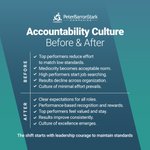
Organizations without clear accountability don't stay neutral—they deteriorate. When top performers watch mediocrity receive equal treatment, they adjust their effort downward or leave. The resulting culture accepts minimal effort as normal, creating downward performance spirals.

Most leaders understand recognition matters, yet ineffective recognition practices undermine their intentions. Generic praise feels hollow. Delayed acknowledgment loses impact. Equal recognition regardless of contribution demotivates top performers.

Research shows over 60% of employees consider job changes during the first quarter. While you're executing annual plans, team members are assessing whether they want to be part of your organization's future.

While you're evaluating candidates during interviews, top performers are evaluating your culture. They're watching how you recognize contributions, whether performance matters more than tenure, if standards apply equally, and whether growth opportunities actually exist.

Theodore Roosevelt understood that leadership effectiveness often comes down to decisiveness. Waiting for perfect information, avoiding difficult decisions, or postponing action until all risks are eliminated can cost more than making imperfect decisions and adjusting course.

Recognition doesn't require grand gestures or formal programs. The most effective appreciation happens in daily interactions—acknowledging specific contributions, expressing genuine gratitude for effort, and making people feel valued for what they bring to the team.

Leaders often dismiss culture initiatives as "soft" compared to strategy, operations, or financial management. This perspective fundamentally misunderstands culture's role in organizational performance.

The difference between good teams and great teams often comes down to communication quality. Leaders who create environments of open dialogue and active listening unlock creativity, engagement, and performance that goes far beyond basic expectations.

High performers create a dangerous leadership trap: because they deliver results consistently and solve problems independently, managers redirect attention to struggling employees. This seems logical—focus time where problems exist.

Exit interviews with top performers reveal a consistent pattern: they didn't leave for slightly higher pay, they left because they saw no path forward. While you were managing daily operations, they quietly concluded their growth had stalled.

The business landscape evolves faster than any individual's expertise can keep pace with. Technologies shift, workforce expectations change, competitive dynamics transform, and leadership approaches that worked five years ago prove inadequate today.

Many organizations focus succession planning efforts exclusively on C-suite roles, believing that's where the greatest risk lies. This narrow view creates a dangerous blind spot that can undermine long-term organizational stability.

Most leaders understand accountability matters, but execution determines whether it drives results or damages credibility. The difference between effective and ineffective accountability lies entirely in consistency and timing.

Organizations consistently misdiagnose why high performers leave. When exit interviews cite "better opportunity," leaders often assume compensation is the issue and respond by adjusting salary bands. This completely misses the actual problem.

Leaders fall into two categories when it comes to cross-team collaboration, and it impacts career growth. Bridge builders find common ground and advance goals across teams. Fence builders work in silos, protecting territory at the expense of collaboration.

Workplace discussions often focus on Boomers versus Millennials versus Gen Z, but these categories rarely capture what actually matters in managing people. While generational differences exist, they often obscure more than they reveal about individual capability and contribution.

Martin Luther King Jr. demonstrated that effective leadership requires courage to act on principles even when it's uncomfortable, unpopular, or personally costly. This same courage defines business leadership effectiveness.

Most leaders enter January with general intentions but lack specific priorities. This creates the first-quarter drift that undermines annual goals. Effective 2026 execution requires focused attention on five critical areas.

