

Nonpartisan, nonadvocacy data and analysis. Follow us on Instagram, Facebook and LinkedIn or subscribe to our newsletters: https://xitter.cf/t.co/tawtYBr8Ef ✉️
- Tweets104K
- Following208
- Followers417K
- Likes1.2K
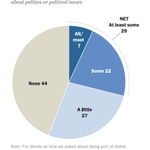





ALT Chart comparing shares of Americans who say politics is some, none, a little, or all or most of the discussion in their most frequented online community

ALT Chart comparing share of Americans who say politic s does and does not belong in the online community they frequent the most

ALT Chart showing Democratic supporters are more confident than GOP backers that noncitizens are not able to vote


ALT Chart showing Republicans ages 50 and older are the most negative toward NATO, UN

ALT One pager showing four things you can do to make sense of the many polls released during an election cycle: look beyond a single poll, consider the source, look for transparency, and treat polls as a snapshot of public opinion rather than precise predictions of what will happen.

ALT Nearly 4 in 10 Americans say they worry daily or almost daily about being able to save for retirement

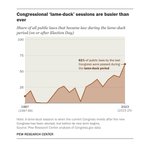
ALT Chart showing share of public laws that became law during the lame-duck period, 61% of laws by the last Congress were passed during the lame-duck period

ALT Illustration of a town street with citizens demonstrating, watering a plant, reading, and riding a bike. Text overtop reads "What is your Civic Personality? Are you a Mobilizer, Connector, Spectator or Outsider? Take the quiz!"

ALT Text reads "See how your engagement with news, religion, civic life and politics compares with our nationally representative survey of U.S. adults." Chart showing percentage of U.S. adults who are Mobilizers, Connectors, Spectators and Outsiders.


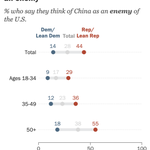
ALT Chart showing Republicans ages 18-34 are far less likely than Republicans 50 and older to see China as an enemy

ALT Chart showing Republicans ages 18-34 are much less likely than Republicans 50 and older to describe Russia as an enemy

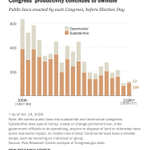
ALT Chart of number of public laws enacted by each Congress from the 100th Congress to 119th Congress.

ALT Americans hold a mix of positive and negative feelings about their financial situation

ALT Americans’ feelings about their personal financial situation differ widely buy income level

ALT Chart showing Republicans ages 18-34 feel more positively toward several countries than Republicans 50 and older do

ALT Chart comparing how republican and democratic views of what factors contribute to economic inequality differ widely by party

ALT Chart comparing shares of U.S. adults who describe major and minor reasons for going to online communities.

ALT Chart ranking the most and least common topics that online communities focus on Text reads: It's most common to be part of online communities about hobbies, local area

ALT Chart of number of public laws enacted by each Congress from the 100th Congress to 119th Congress.

ALT Chart showing Trump’s approval rating from every religious group is lower now than at the beginning of his second term

ALT Chart showing that in nearly all religious groups, more people disapprove than approve of Trump’s job performance

ALT Share of Americans who say they do not have enough income, do not have rainy day funds, or cannot pay monthly bills by income level

ALT Chart showing Republicans are now nearly as likely to say Trump’s policies have hurt the economy as helped it.