
Biotech stock trading and investing for 35 years. PhD in biology, MS in computer science.
Las Vegas
Joined November 2011
- Tweets16.4K
- Following649
- Followers8K
- Likes3.5K

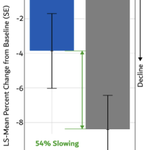

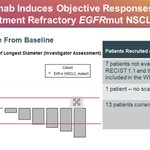


$CNTB does it and its Chinese partner Simere Pharm have a better version of Dupixent? Simere submitted NDA for atopic dermatitis in China (approval by April 2027). Dupixent sales total 5.7B euro 3Q26: bloomberg.com/news/articles/…


$IOVA to reload it at single digit sounds like a dream just a few days ago :-) Is the company worth $4B? I bet.
$IOVA back to single digit (down 36% to 9.4). Waiting to reload it. (I sold too earlier before it jumped on revenue bumping up). Good big view: The only TIL therapy with increasing revenue (next year should be over 500M). Bad view: expanding from melanoma to NSCLC may take longer
$REPL 10K pts of advanced melanoma could be treated by Tudriqev, and rapid adoption by cancer centers is under way. Cost of one course is around $400K. Why this stock still stay $1B valuation only? In addition, the HSV platform is expanding to metastatic uveal melanoma (RP2).
Nick zheng retweeted

$REPL Q2 2027 earnings: Replimune launches its melanoma drug, and trial cuts shrink losses
Replimune, a cancer biotechnology firm, shifted from drug development to commercial sales while cutting its operating loss. The company recorded no revenue before the quarter ended in September, then delivered its newly approved skin cancer therapy Tudriqev to the first patients on October 6. Chief executive Sushil Patel said more than 15 hospitals have already prescribed the treatment, while winding down older clinical trials cut quarterly operating expenses by 33% to $56 million.
• Operating loss: $𝟓𝟔.𝟑𝐌 (-33% from a year ago)
• Cash and short-term investments: $𝟑𝟎𝟕.𝟖𝐌 (up from $195.3M last quarter)
• Prescribing hospitals: >𝟏𝟓 (since October 6 launch)
• Cash funding outlook: 𝐔𝐧𝐜𝐡𝐚𝐧𝐠𝐞𝐝 (greater than 12 months)
⚖️ 𝐕𝐞𝐫𝐝𝐢𝐜𝐭: 🟢 Bullish
The story got better because the launch started on schedule with broad insurer support and a rebuilt $308 million cash cushion. Inclusion in national cancer guidelines and an unrestricted label helped the sales team reach over 70% of its 200 target hospitals quickly. One caution: the August stock sale and September loan draw increased the share count by 14% from a year ago and pushed debt interest costs higher.
The question now is how quickly hospital interest turns into collected revenue. Either routine skin injections drive fast repeat orders, or the need to coordinate radiologists for deep-organ injections slows patient volumes. Next quarter's first reported product sales will provide the answer.
Full article with charts - link in bio
🐂 𝐁𝐮𝐥𝐥 𝐂𝐚𝐬𝐞
🟢🟢 𝐓𝐮𝐝𝐫𝐢𝐪𝐞𝐯 𝐑𝐞𝐚𝐜𝐡𝐞𝐬 𝐅𝐢𝐫𝐬𝐭 𝐌𝐞𝐥𝐚𝐧𝐨𝐦𝐚 𝐏𝐚𝐭𝐢𝐞𝐧𝐭𝐬 𝐖𝐢𝐭𝐡 𝐁𝐫𝐨𝐚𝐝 𝐂𝐨𝐯𝐞𝐫𝐚𝐠𝐞
Replimune, a biotechnology firm that develops virus-based cancer therapies, started commercial sales of its first approved medicine right after the quarter closed. Its lead treatment is Tudriqev (previously called RP1), a modified virus injected into tumours alongside the immunotherapy drug nivolumab for adults with advanced skin melanoma. “The response from physicians has been enthusiastic and both oncologists and interventional radiologists are eager to bring TUDRIQEV into their practices,” chief executive Sushil Patel said.
Doctors gave the first patient doses on October 6, and clinics began ordering the drug “for next day delivery immediately upon availability”. The launch is moving fast because the approved label covers patients “with no requirement for prior BRAF treatment, and can be injected into superficial, deep and visceral lesions, including lung and liver”.
• Prescribing clinics: more than 15 institutions in the first three weeks
• Priority hospitals contacted: over 70% of the initial 200 targets (more than 140 accounts by our math)
• Treatment guidelines: listed as a Category 2A recommendation by the National Comprehensive Cancer Network (NCCN, an alliance of cancer centres)
• Supply on hand: “more than a year of inventory on hand, produced at its in-house manufacturing facility”
What to watch: the first reported product revenue in the third-quarter results. Because the drug shipped on October 6, next quarter will offer the first dollar reading on how quickly those 15 clinics turn prescriptions into paid sales.
🟢 𝐓𝐫𝐢𝐚𝐥 𝐖𝐢𝐧𝐝-𝐃𝐨𝐰𝐧𝐬 𝐂𝐮𝐭 𝐎𝐩𝐞𝐫𝐚𝐭𝐢𝐧𝐠 𝐋𝐨𝐬𝐬𝐞𝐬 𝐛𝐲 𝐎𝐧𝐞 𝐓𝐡𝐢𝐫𝐝
While the drug maker prepared for its first commercial launch, it cut its operating loss by a third from a year ago. Total operating costs fell 33.2% to $56.3 million, down from $84.3 million in the prior year. Research and development (R&D, the cost of running clinical trials and lab work) drove most of the savings, dropping 40.6% to $34.4 million.
Replimune spent less because it wound down three older clinical trials—IGNYTE, ARTACUS and CERPASS—and reduced staff costs. Selling, general and administrative expenses (SG&A, the cost of sales teams and corporate overhead) also fell 17.0% from a year ago to $21.9 million. Both expense lines included $10.6 million of non-cash stock compensation by our math.
What to watch: research and development spending over the second half of the year. Continuing declines would confirm that the cost savings from finished trials more than offset the cost of enrolling the Phase 3 IGNYTE-3 and Phase 2/3 REVEAL studies.
🟢 𝐒𝐭𝐨𝐜𝐤 𝐒𝐚𝐥𝐞 𝐚𝐧𝐝 𝐃𝐞𝐛𝐭 𝐃𝐫𝐚𝐰 𝐑𝐞𝐛𝐮𝐢𝐥𝐝 𝐭𝐡𝐞 𝐂𝐚𝐬𝐡 𝐁𝐮𝐟𝐟𝐞𝐫
A new cancer drug launch requires a large cash cushion before insurer payments arrive. The Massachusetts biotech ended September with $307.8 million in cash, up 57.6% from $195.3 million three months earlier. It raised $141.0 million net by selling stock and pre-funded warrants in August, and it drew another $15.0 million from its long-term loan in September.
By our math, cash burn before financing dropped to $43.5 million in the second quarter, down from $73.6 million in the first quarter. Lower clinical trial spending slowed the cash drain just as the new financing arrived, giving the business more breathing room for the Tudriqev rollout.
What to watch: quarterly cash burn before financing in the third quarter. A number near or below $45 million would show that early commercial receipts and lower research costs are keeping the cash drain in check.
🐻 𝐁𝐞𝐚𝐫 𝐂𝐚𝐬𝐞
🔴 𝐒𝐭𝐨𝐜𝐤 𝐎𝐟𝐟𝐞𝐫𝐢𝐧𝐠𝐬 𝐚𝐧𝐝 𝐃𝐞𝐛𝐭 𝐃𝐫𝐚𝐰𝐬 𝐃𝐢𝐥𝐮𝐭𝐞 𝐒𝐡𝐚𝐫𝐞𝐡𝐨𝐥𝐝𝐞𝐫𝐬
Funding the company through stock sales and venture loans carries a clear cost for existing owners. The weighted average share count rose 14.4% from a year ago to 105.2 million shares, and it climbed 8.6% from the first quarter alone after the August stock and warrant offering.
At the same time, borrowing more money is lifting interest bills while falling cash balances over the past year reduced interest income. Interest expense on debt jumped 69.6% from a year ago to $2.5 million after the September loan draw, while investment income fell by half to $1.9 million.
What to watch: additional drawdowns on the debt facility and the diluted share count as pre-funded warrants convert. Further loan draws would push quarterly interest costs higher before Tudriqev sales cover operating expenses.
🔴🔴 𝐋𝐚𝐮𝐧𝐜𝐡 𝐂𝐨𝐬𝐭𝐬 𝐑𝐢𝐬𝐞 𝐖𝐡𝐢𝐥𝐞 𝐂𝐨𝐧𝐟𝐢𝐫𝐦𝐚𝐭𝐨𝐫𝐲 𝐓𝐫𝐢𝐚𝐥 𝐑𝐢𝐬𝐤 𝐑𝐞𝐦𝐚𝐢𝐧𝐬
Patel highlighted rapid hospital interest in Tudriqev, yet the company gave no sales forecast for the year and faces rising commercial bills. While selling and administrative costs fell from a year ago, they rose 15.5% from last quarter to $21.9 million as the sales force geared up for the October launch.
In addition, the drug requires an injection directly into deep tumours such as the lung and liver, which requires interventional radiologists and complex hospital workflows. Finally, the US regulator granted accelerated approval based on tumour shrinkage rates, so keeping the drug on the market depends on “verification of clinical benefit in a confirmatory trial(s)”—specifically the ongoing IGNYTE-3 survival study.
What to watch: selling, general and administrative costs alongside initial product sales next quarter. If commercial overhead grows faster than early prescription revenue, cash burn will climb again despite the research cuts.
— • — • —
💲 𝐎𝐭𝐡𝐞𝐫 𝐊𝐏𝐈𝐬
𝐖𝐨𝐫𝐤𝐢𝐧𝐠 𝐜𝐚𝐩𝐢𝐭𝐚𝐥 (𝟐𝟕𝐐𝟐): $𝟐𝟕𝟖.𝟓 𝐦𝐢𝐥𝐥𝐢𝐨𝐧 ⇄ reversing
Working capital—short-term assets minus short-term bills—rebounded 71.5% from $162.4 million last quarter after shrinking for four straight periods. The August stock sale and September debt draw drove the increase, leaving a larger short-term buffer to fund commercial inventory and receivables.
𝐍𝐞𝐭 𝐥𝐨𝐬𝐬 𝐩𝐞𝐫 𝐬𝐡𝐚𝐫𝐞 (𝟐𝟕𝐐𝟐): -$𝟎.𝟓𝟒 ⇘ decelerating
The net loss per share narrowed 40.0% from -$0.90 a year ago and shrank from -$0.72 in the first quarter. Lower clinical trial expenses cut the total net loss by 31.3% to $57.1 million, while a higher share count spread the loss across more shares.
— • — • —
🔮 𝐆𝐮𝐢𝐝𝐚𝐧𝐜𝐞
𝐂𝐚𝐬𝐡 𝐫𝐮𝐧𝐰𝐚𝐲: 𝐆𝐫𝐞𝐚𝐭𝐞𝐫 𝐭𝐡𝐚𝐧 𝟏𝟐 𝐦𝐨𝐧𝐭𝐡𝐬 ⇒ stable
🠆 unchanged from Greater than 12 months
Unchanged. Replimune said its $307.8 million in cash will “enable us to fund operations for greater than twelve months” from the filing date, covering the Tudriqev rollout and ongoing trials. By our math, at the second quarter's $43.5 million cash burn rate, the balance equals roughly seven quarters of funding before counting any product revenue.
— • — • —
❓ 𝐊𝐞𝐲 𝐐𝐮𝐞𝐬𝐭𝐢𝐨𝐧𝐬
𝐖𝐡𝐚𝐭 𝐢𝐬 𝐭𝐡𝐞 𝐧𝐞𝐭 𝐩𝐫𝐢𝐜𝐞 𝐩𝐞𝐫 𝐜𝐨𝐮𝐫𝐬𝐞 𝐨𝐟 𝐓𝐮𝐝𝐫𝐢𝐪𝐞𝐯?
Management noted multiple insurer policies and over 15 prescribing hospitals, but it did not disclose wholesale pricing or expected gross-to-net discounts. Investors need unit pricing to calculate how many patients the company must treat to cover its $56 million quarterly operating expense.
𝐇𝐨𝐰 𝐦𝐚𝐧𝐲 𝐩𝐫𝐞-𝐟𝐮𝐧𝐝𝐞𝐝 𝐰𝐚𝐫𝐫𝐚𝐧𝐭𝐬 𝐫𝐞𝐦𝐚𝐢𝐧 𝐨𝐮𝐭𝐬𝐢𝐝𝐞 𝐭𝐡𝐞 𝐬𝐡𝐚𝐫𝐞 𝐜𝐨𝐮𝐧𝐭?
The August offering included both common stock and pre-funded warrants, raising $141 million net. Because pre-funded warrants sit outside the basic share count until exercised, knowing the exact warrant count will clarify total future dilution.
𝐇𝐨𝐰 𝐟𝐚𝐬𝐭 𝐚𝐫𝐞 𝐝𝐞𝐞𝐩-𝐥𝐞𝐬𝐢𝐨𝐧 𝐢𝐧𝐣𝐞𝐜𝐭𝐢𝐨𝐧𝐬 𝐛𝐞𝐢𝐧𝐠 𝐚𝐝𝐨𝐩𝐭𝐞𝐝?
The approved label allows injections into deep organs like the lung and liver, which requires interventional radiologists alongside oncologists. Sharing the split between surface skin injections and deep organ procedures would show whether hospital scheduling slows adoption.
𝐖𝐡𝐚𝐭 𝐢𝐬 𝐭𝐡𝐞 𝐜𝐮𝐫𝐫𝐞𝐧𝐭 𝐞𝐧𝐫𝐨𝐥𝐥𝐦𝐞𝐧𝐭 𝐫𝐚𝐭𝐞 𝐟𝐨𝐫 𝐈𝐆𝐍𝐘𝐓𝐄-𝟑 𝐚𝐧𝐝 𝐑𝐄𝐕𝐄𝐀𝐋?
Both the 400-patient IGNYTE-3 confirmatory study and the 280-patient REVEAL uveal melanoma study are actively enrolling, yet the release gave no patient counts or completion dates. Since full approval depends on IGNYTE-3, enrollment progress is critical.

$BHVN its extra-cellular protein degrader is very impressive. a mouse model, a single s.c. dose BHV-1420 rapidly cleared circulating anti-PLA2R antibody in a dose-dependent manner, achieving >90% depletion within 2hr. Should results be translated well in human, it's revolutionary
$IONS another anti-sense oligo drug approved for chonic HBV infection, licensed to $GSK: fda.gov/news-events/press-an…

$SVRA PUDFA next month (Nov 22). Huge short percentage (about 30% of float). I really do not get it. It is only valued 1B right now. Sure, CRL again, but chance is much lower this time even 3 month delay. BTD, fast track, priority review.