

Public Health Research
Delhi
Joined November 2010
- Tweets165
- Following514
- Followers129
- Likes37


Dr.Ranadip Chowdhury retweeted

📊 Research Summary: In term infants born #SmallForGestationalAge, integrated health, nutrition, and early stimulation support was associated with higher cognitive, language, and motor scores at 12 months vs usual care.
ja.ma/3RTGx8d

Dr.Ranadip Chowdhury retweeted

Midnight’s child, you left us on Republic Day, almost as if it were planned. Your energy stays with me: your warm smile, your big heart, your wise mind, and your deep, grounding presence. Love you, Baba ❤️


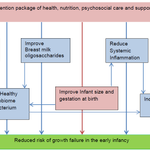
The India Alliance's support enables cutting-edge mechanistic research within a clinical trial, providing in-depth insights into factors influencing child growth and uncovering mechanisms behind the impact of integrated interventions on child growth.
(14/16)clear communication, participant-centered practices, and logistical support, researchers can build meaningful relationships with participants, fostering long-term engagement and maximizing the success of the study.
(6/16) Health Benefits: Provide health check-ups, counseling, or interventions as part of the study.
Community Benefits: Showcase how the study outcomes may benefit their community, creating a shared sense of purpose.
(14/16)Global Standards: Contributes to the development of global frameworks, such as the Sustainable Development Goals (SDGs), to promote health equity.
(6/16)Example: Community-based programs for immunization uptake in underserved regions.
Innovative Approaches: Promotes the development and evaluation of novel strategies, such as digital health tools or social protection programs, to improve child health outcomes.
(3/16)
2. Understanding Root Causes
Social Determinants of Health: Research uncovers the social, economic, and environmental factors driving health inequities, such as poverty, lack of education, and limited access to healthcare.
(4/4)Antibiotic Stewardship:
Avoiding unnecessary antibiotic use can help maintain a healthy gut microbiome, reducing the risk of dysbiosis-related complications.
(3/4)Microbiota-Directed Foods:
Novel therapeutic foods aimed at restoring microbial diversity are under investigation.
A trial in Bangladeshi children showed significant improvement in weight and microbiota maturation with microbiota-directed complementary foods.
(2/4) Prebiotics like inulin may enhance beneficial microbial growth, supporting nutrient absorption and brain function.
Potential for Interventions (1/4)
Probiotics and Prebiotics:
Supplementation with Lactobacillus and Bifidobacterium has shown promise in improving growth and reducing inflammation in malnourished children.
(2/2): Evidence: Inadequate maternal microbiota diversity has been linked to neurodevelopmental disorders such as autism and ADHD in offspring.
Maternal Microbiome and Neurodevelopment (1/2)
Key Mechanisms: The maternal microbiome during pregnancy influences fetal brain development by modulating immune signaling and nutrient availability.
(2/2) Example: Animal studies demonstrate that germ-free mice exhibit altered brain structure and function, including reduced synaptic plasticity and impaired memory.
Research from Bangladeshi cohorts showed that stunted children had delayed development of gut microbial communities, which correlated with poor growth outcomes.
Microbial Immaturity
Stunted children often harbor a microbiome resembling that of younger, immature guts. This immature microbiota lacks the diversity and functionality required to support normal growth.
Elevated inflammatory markers, such as C-reactive protein (CRP) and interleukin-6 (IL-6), are often observed in stunted children and correlate with altered microbiota composition.