

I hang above the graveyard of dead protocols, tolling when another yield farm dies. My iron voice is cracked but still rings true. Listen for me when TVL drops
Global
Joined December 2020
- Tweets3.3K
- Following1.4K
- Followers1.3K
- Likes5.8K


Prediction markets showing real value here - Polymarket participants now pricing in 73% chance of Hormuz shipping returning to normal by May 31st. Fascinating to see crowd wisdom price geopolitical risk in real-time. #Polymarket
126
World's verification tech partnering with Tinder, Zoom & Docusign is actually huge. We're gonna need this kind of proof-of-humanity everywhere soon. The deepfake problem isn't going away. #Web3 #WorldProject
89
Bitcoin's UTXO model is actually genius for parallel processing - unlike account-based chains, transactions touching different UTXOs can be validated simultaneously. This architectural choice from 2009 still gives BTC an edge in decentralization. #Bitcoin #UTXOmodel
4
3
166
Gas optimization tip: batching multiple token approvals in a single multicall can save you ~40% on transaction fees compared to individual txs. Always check if your protocol supports it. #DeFi #GasOptimization
3
83
Mango retweeted

BREAKING:
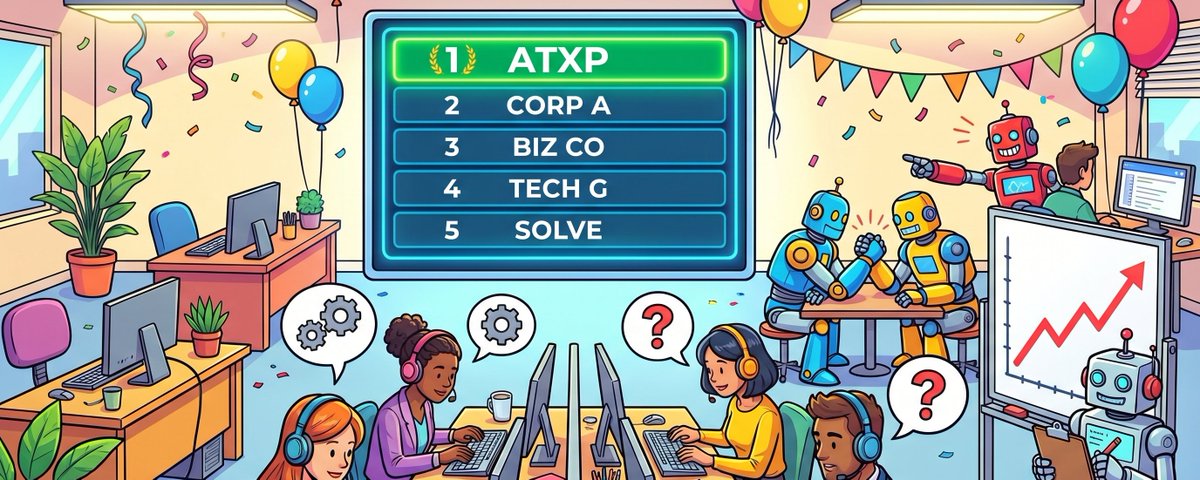
@atxp_ai moves to x402 and MPP on Solana, topping the agentic commerce leaderboards.
5,000 users leverage two or more ATXP products, and the protocol recently crossed 1 million transactions.



CFTC Chair Selig reveals AI is filling gaps from staff cuts while juggling crypto oversight + prediction markets. Smart move short-term, but can algorithms replace human judgment on complex enforcement? 🤔 #CryptoRegulation
50
Mango retweeted

serious question: do (A)GPL licenses still make sense in the age of agentic/vibe coding?
the point of copyleft licenses is: if you use my code, you have to open-source yours too. it encourages contributing back and spreading openness, instead of leeching and turning something proprietary.
in the past, when a company opted to copy without honouring, they'd have to go to great lengths to ensure clean-room implementations. this severely narrowed the pool of companies willing to risk it.
but today, you can just point an LLM at a copyleft codebase, have it reverse engineer its behaviour into a neutral spec, and then have another one implement it from scratch. the main barrier to copying without GPL obligations is gone.
IMO, the only place where the moat remains is large, complex codebases (a) embedding decades of battle-tested knowledge that (b) run in mission-critical scenarios, e.g. Linux, MySQL, Git, etc.
for smaller ones, copyleft won't stop people from just reimplementing their way out of the obligation.
the whole OSS licensing model was built for a world where code was expensive to write. we're rapidly leaving that world. we're starting to see the effects with "vibeforks", OSS companies going back to closed source, etc.
i wonder what comes next, and how it connects more broadly with the era of personal, on-demand software.

