

Founder & CEO @Oneskai | AI search, go-to-market & growth strategist | Helping B2B brands get cited by ChatGPT, Gemini & Google | 14+ yrs, 20+ cos advised
India
Joined August 2013
- Tweets13.2K
- Following18.4K
- Followers21.8K
- Likes7.8K






Pinned Tweet
AI is becoming far more than a tool. Anthropic’s latest threat report shows how it is already being used for cyberattacks, fraud, surveillance, propaganda and weapons research. I read the report. Here’s what stood out to me.

2
155
May the light of Diwali bring peace to our hearts, wisdom to our thoughts, and positivity to everything we do.
Diwali reminds us that no matter how challenging the journey, light always finds its way through darkness. It is a celebration of hope, new beginnings, togetherness, and the timeless values that have shaped our culture for generations.
May we carry these values forward in our lives, our work, and the way we treat one another.
Wishing you and your family a very Happy and Prosperous Diwali! 🪔
May this festival bring happiness, good health, success, and countless reasons to smile.
शुभ दीपावली! 🙏
#Diwali2026 #Diwali #HappyDiwali

2
45
Most B2B teams don't have an outbound problem.
They have a funnel problem.
We've worked with 50+ B2B brands at @Oneskai, and the same pattern keeps showing up:
• Leads come in and nobody follows up
• Meetings get booked and nobody shows
• Deals are won and the client leaves in six months
The fix is rarely a new tool.
It's a clear order of work, one owner per stage, and a team that runs it every day.
So I wrote down how we run it: The GTM Funnel Playbook, 2026 Edition.
What's inside:
→ The full funnel on one page, with an owner for each stage
→ How to work backwards from your revenue target
→ How to define exactly who you sell to
→ Building an offer people say yes to
→ Creating demand and catching buying signals
→ Qualifying, routing and nurturing leads
→ Outbound that doesn't burn your market, plus a two-week sequence
→ Turning meetings into deals
→ Keeping customers and running the team
→ A 90-day plan in three phases: Build, Launch, Scale
If your pipeline dries up when you're busy, or sales says the leads are junk, start here.
Reply "GTM" and I'll send it to you for free.
#B2B #GoToMarket

57
𝗠𝗼𝘀𝘁 𝗽𝗲𝗼𝗽𝗹𝗲 𝘁𝗵𝗶𝗻𝗸 𝗔𝗜 𝗮𝗴𝗲𝗻𝘁𝘀 𝗮𝗿𝗲 𝗮𝗯𝗼𝘂𝘁 𝗱𝗼𝗶𝗻𝗴 𝗺𝗼𝗿𝗲 𝘄𝗼𝗿𝗸.
I think the bigger opportunity is doing less of the work yourself.
That’s what caught my attention in this “Personal Dots” setup.
Imagine ending your workday at 7 PM.
While you sleep, your agent:
→Reads the important emails
→Checks your calendar
→Reviews Slack conversations
→Goes through documents and updates
→Identifies what actually needs your attention
→Drafts replies
→Summarizes important developments
→Follows the rules you’ve already defined
And when you wake up, you don’t start with 47 notifications.
You start with a briefing.
What happened.
What matters.
What can wait.
What needs your decision.
That’s a very different way of thinking about AI.
The interesting part isn’t simply that an agent can read your inbox.
We’ve had automation for years.
The shift is toward an AI system that can understand context, make decisions within boundaries, and continuously improve from your feedback.
But there’s one part of this model I think businesses should pay even more attention to:
Approval.
AI shouldn’t necessarily have unlimited permission.
Let it summarize.
Let it research.
Let it draft.
But sending something externally, changing financial information, deleting data, or taking a high-impact action?
That should require your approval.
The best agentic systems won’t be the ones that automate everything.
They’ll be the ones that understand what they can do independently and when they need a human.
And this changes the question businesses should be asking.
Not:
“𝗪𝗵𝗲𝗿𝗲 𝗰𝗮𝗻 𝘄𝗲 𝘂𝘀𝗲 𝗔𝗜?”
But:
“𝗪𝗵𝗶𝗰𝗵 𝗿𝗲𝗰𝘂𝗿𝗿𝗶𝗻𝗴 𝗱𝗲𝗰𝗶𝘀𝗶𝗼𝗻𝘀 𝗮𝗻𝗱 𝘄𝗼𝗿𝗸𝗳𝗹𝗼𝘄𝘀 𝗰𝗮𝗻 𝗮𝗻 𝗔𝗜 𝗮𝗴𝗲𝗻𝘁 𝗼𝘄𝗻, 𝘄𝗵𝗶𝗹𝗲 𝗵𝘂𝗺𝗮𝗻𝘀 𝘀𝘁𝗮𝘆 𝗶𝗻 𝗰𝗼𝗻𝘁𝗿𝗼𝗹 𝗼𝗳 𝘁𝗵𝗲 𝗶𝗺𝗽𝗼𝗿𝘁𝗮𝗻𝘁 𝗺𝗼𝗺𝗲𝗻𝘁𝘀?”
That’s where I think the real productivity gains will come from.
The next phase of AI isn’t just chat.
It’s delegation.
And eventually, your competitive advantage may not be having more people.
It may be having better systems that work while your team focuses on the decisions that actually matter.
𝗪𝗵𝗮𝘁 𝘄𝗼𝘂𝗹𝗱 𝘆𝗼𝘂 𝗴𝗶𝘃𝗲 𝘆𝗼𝘂𝗿 𝗼𝘄𝗻 𝗔𝗜 𝗮𝗴𝗲𝗻𝘁 𝘁𝗼 𝗵𝗮𝗻𝗱𝗹𝗲 𝗼𝘃𝗲𝗿𝗻𝗶𝗴𝗵𝘁?
#AI #AIAgents #FutureOfWork #Productivity #GenerativeAI

1
2
142
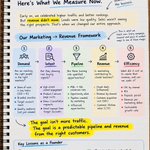
For a long time, I thought good marketing meant seeing the numbers go up.
→ More traffic.
→ More impressions.
→ More keywords ranking.
More leads.
And honestly, it felt good.
You open a report and see a nice upward graph. You share it with the team. Everyone feels like things are moving in the right direction.
But eventually, I started asking a more uncomfortable question:
🤔“Okay, but what happened to revenue?”
That question changed how I look at marketing.
Because a website can get more traffic without getting better customers.
A campaign can generate hundreds of leads without creating meaningful pipeline.
A piece of content can get thousands of views and still have almost zero impact on the business.
And I’ve learned this the hard way while building and running businesses.
So we started changing the way we look at marketing.
Instead of treating SEO, content, paid ads, social, AI search and outbound as separate activities, I started looking at the entire journey:
Demand → Intent → Pipeline → Revenue → Efficiency
→ Are we reaching the right people?
→ Are they showing genuine buying intent?
→ Are those conversations becoming qualified opportunities?
→ Is marketing actually contributing to closed business?
→ And are we creating that revenue efficiently enough to keep scaling?
The biggest shift for me was realizing that marketing isn’t a collection of channels.
It is a system.
And as a founder, I don’t need my team to give me more impressive marketing reports.
I need to understand what those activities are actually doing for the business.
That doesn’t mean traffic, rankings or impressions don’t matter.
They do.
They just aren’t the destination.
The real question is what they become.
That’s the lesson I’m taking with me into the next stage of building.
Measure activity.
But manage outcomes.
#Marketing #GTM #Founder #Growth #B2BMarketing #RevenueGrowth

2
1
103
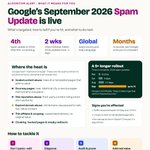
𝗪𝗲𝗱𝗻𝗲𝘀𝗱𝗮𝘆, 𝟮𝟰 𝗦𝗲𝗽𝘁𝗲𝗺𝗯𝗲𝗿.
Google posted one line on its Search Status Dashboard.
"Released the September 2026 spam update."
𝗜 𝗿𝗲𝗮𝗱 𝗶𝘁 𝘁𝘄𝗶𝗰𝗲.
Because one detail didn't fit the pattern.
This is the fourth spam update of 2026.
📅 March finished in under a day.
📅 June took two days.
📅 August took under three.
⏳ 𝗧𝗵𝗶𝘀 𝗼𝗻𝗲 𝗰𝗼𝘂𝗹𝗱 𝘁𝗮𝗸𝗲 𝘂𝗽 𝘁𝗼 𝘁𝘄𝗼 𝘄𝗲𝗲𝗸𝘀.
Google's John Mueller confirmed it's "𝘭𝘪𝘬𝘦𝘭𝘺 𝘵𝘰 𝘵𝘢𝘬𝘦 𝘭𝘰𝘯𝘨𝘦𝘳 𝘵𝘩𝘢𝘯 𝘴𝘰𝘮𝘦 𝘰𝘧 𝘵𝘩𝘦 𝘱𝘳𝘦𝘷𝘪𝘰𝘶𝘴 𝘰𝘯𝘦𝘴."
When Google needs five times longer, it's rarely a small tweak.
It usually means the system is learning to catch something new.
So what is it learning?
𝘎𝘰𝘰𝘨𝘭𝘦 𝘩𝘢𝘴𝘯'𝘵 𝘴𝘢𝘪𝘥.
There's no named target, and no share of searches affected.
Just a pointer back to its spam policies.
So I went back to them too.
🔍 𝗪𝗵𝗲𝗿𝗲 𝗜'𝗱 𝗹𝗼𝗼𝗸 𝗳𝗶𝗿𝘀𝘁:
❌ Pages mass-produced with AI or templates that add nothing new
❌ Near-identical city and service pages built only to rank
❌ Third-party content borrowing a big site's authority
❌ Expired domains revived to push low-value content
❌ Affiliate pages copied straight from the merchant
If any of that sounds like your site, don't panic.
And please don't start deleting pages tonight.
🛠️ 𝗪𝗵𝗮𝘁 𝗜'𝗱 𝗱𝗼 𝗶𝗻𝘀𝘁𝗲𝗮𝗱:
✅ Mark 24 September in your analytics
✅ Let the rollout finish, likely around early October
✅ Compare Search Console before and after, one group of pages at a time
✅ Merge the near-duplicates, and noindex or remove the thin pages
✅ Add what AI can't fake: original data, local proof and real names behind the content
𝗧𝗵𝗲𝗻 𝘄𝗮𝗶𝘁.
Google says recovery can take months.
Its systems need to see you playing fair over time.
𝘛𝘩𝘢𝘵'𝘴 𝘵𝘩𝘦 𝘱𝘢𝘳𝘵 𝘯𝘰𝘣𝘰𝘥𝘺 𝘭𝘪𝘬𝘦𝘴 𝘩𝘦𝘢𝘳𝘪𝘯𝘨.
But it's also the good news.
𝗘𝘃𝗲𝗿𝘆 𝘀𝗽𝗮𝗺 𝘂𝗽𝗱𝗮𝘁𝗲 𝗶𝘀 𝗮 𝗳𝗶𝗹𝘁𝗲𝗿.
The shortcuts get washed out.
And sites built on real expertise get more

1
130
A few years ago, being visible online felt simple.
↳You had a website.
↳You worked on SEO.
↳You tried to get to page one of Google.
🔍 And if you ranked, people found you.
But something has changed.
Today, someone can ask ChatGPT Gemini, Perplexity, Claude, or even Google’s AI features a question about your industry, your product, or a problem you solve.
And suddenly, the question is no longer:
“Where does my website rank?”
It becomes:
“Does AI know that my brand exists?”
That question changed the way I think about search.
Because AI does not understand a brand from one webpage alone.
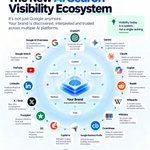
It looks across an ecosystem.
↳Your website
↳Your content
↳Your reviews
↳Your LinkedIn presence
↳Reddit conversations
↳YouTube
↳Google Business Profile
↳Wikipedia
↳Wikidata
↳Industry directories
↳Software review platforms
↳News
↳Mentions
↳Citations
↳And the consistency of your information across all of them.
🤖 That is what I call the AI Search Visibility Ecosystem.
And there is something interesting about this.
You can publish the best article in your industry and still remain invisible if the rest of your digital footprint does not support it.
You can have thousands of backlinks but very little brand understanding.
You can rank on Google and still not appear when someone asks an AI assistant, “What are the best companies for this?”
Search visibility is becoming less about one ranking and more about becoming a recognizable entity across the web.
That is a very different game.
And honestly, I think most businesses are still approaching it like traditional SEO.
They are optimizing pages.
The bigger opportunity is to build brand evidence.
↳Create useful content.
↳Build authority.
↳Earn genuine mentions.
↳Strengthen reviews.
↳Keep your business information consistent.
↳Build expertise across platforms.
↳Give AI enough trustworthy signals to understand who you are and what you do.
The future of search will not belong only to the brands that rank.
It will belong to the brands that are understood, trusted, and discoverable everywhere.
That is the shift I’m watching closely.
Are you still optimizing only for Google, or are you building visibility for the entire AI search ecosystem? Comment below with your questions on AI search.
🧠 Don't forget to save this post to come back to the list.
♻️ Repost to help your network understand what AI visibility requires.
Follow Swapan Kumar Manna for more on getting ahead with AI search.
#AISearch #GEO #SEO #AIVisibility #DigitalMarketing #SearchMarketing

1
106
Wishing a very Happy Birthday to Hon’ble Prime Minister Shri @narendramodi Ji. 🇮🇳
Over the years, India has made significant progress across infrastructure, connectivity, digital access, manufacturing, space, entrepreneurship and renewable energy. At the same time, India’s presence and influence on the global stage have grown considerably.
There is still a long journey ahead, but the scale of India’s ambition and the confidence with which the country is engaging with the world today is certainly worth recognising.
Wishing you good health, long life and continued strength in serving the nation Sir.
#HappyBirthdayModiji #HappyBdayPMModi

58
The "growth at all costs" era of B2B SaaS is over. 📉
In 2026, if you're still gating your best content and relying on pure lead gen, you're invisible during 83% of the buyer's journey.
I just published the new playbook on scaling SaaS efficiently.
It covers:
🔹 Shifting to Demand Gen
🔹 Product-Led Sales (PLG + ABM)
🔹 Why NRR > Vanity Metrics
🔹 Driving early traction with visual storytelling
Read the full breakdown here 👇
swapanmanna.com/blog/how-to-…
@theadampetty

1
1
40
I stopped memorising Claude Code commands. I started building workflows around them.
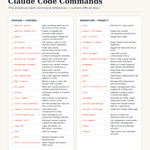
Typing / can turn Claude Code from an AI coding assistant into a much more structured development environment.
From /init and /plan to /compact, /memory, /context and /model — there are commands for managing how you work with Claude.
Then come the workflows.
/code-review → review changes before they become problems
/debug → investigate issues with a structured debugging workflow
/verify → build, run and check whether a change actually works
/simplify → look for unnecessary complexity and improve the code
/batch → handle large-scale changes across a codebase
/deep-research → research, cross-check and synthesise information
/design → turn a product idea into a visual design workflow
And that is only part of what is available.
Claude Code also gives you commands for MCP, plugins, subagents, background tasks, permissions, remote control, GitHub, IDE integrations and more.
The interesting part isn't knowing every command.
It is recognising that repetitive instructions can become reusable workflows.
Instead of explaining the same task to AI every time, you can create a repeatable way of working.
That changes the question from:
“What should I prompt Claude to do?”
to:
“What workflow should I build once and reuse?”
I put together this Claude Code Commands cheat sheet to make the current commands, bundled Skills and workflow capabilities easier to discover.
Save it. Share it with your engineering team. And use it as a reference the next time you type /.
Which Claude Code command or Skill has become part of your workflow?
#ClaudeCode #Anthropic #AI #AICoding


1
99
𝗦𝗘𝗢 𝗱𝗶𝗱𝗻’𝘁 𝗱𝗶𝘀𝗮𝗽𝗽𝗲𝗮𝗿. 𝗦𝗲𝗮𝗿𝗰𝗵 𝗰𝗵𝗮𝗻𝗴𝗲𝗱.
For years, the playbook was simple:
𝗥𝗮𝗻𝗸 𝗼𝗻 𝗚𝗼𝗼𝗴𝗹𝗲 → 𝗲𝗮𝗿𝗻 𝘁𝗵𝗲 𝗰𝗹𝗶𝗰𝗸 → 𝗱𝗿𝗶𝘃𝗲 𝘁𝗿𝗮𝗳𝗳𝗶𝗰.
But search behaviour in 2026 is no longer built around one search box.
Today, there are three ways your brand can get discovered:
𝗦𝗘𝗢 — 𝗥𝗮𝗻𝗸 𝘁𝗵𝗲 𝗽𝗮𝗴𝗲
𝗔𝗘𝗢 — 𝗢𝘄𝗻 𝘁𝗵𝗲 𝗮𝗻𝘀𝘄𝗲𝗿
𝗚𝗘𝗢 — 𝗚𝗲𝘁 𝗰𝗶𝘁𝗲𝗱 𝗯𝘆 𝗔𝗜
And here’s the part many businesses are missing:
These aren’t three competing strategies. They work together.
SEO is still the foundation. It helps search engines crawl, understand and trust your content.
AEO takes that foundation and structures your content so search engines and answer engines can extract clear, useful answers—sometimes without the user ever clicking.
GEO goes a step further: building the authority, expertise and brand presence that increases the chances of being mentioned and cited in AI-generated answers.
So the question is no longer:
“𝙃𝙤𝙬 𝙙𝙤 𝙄 𝙧𝙖𝙣𝙠 #1?”
It’s becoming:
“𝘊𝘢𝘯 𝘮𝘺 𝘣𝘳𝘢𝘯𝘥 𝘣𝘦 𝘧𝘰𝘶𝘯𝘥, 𝘶𝘯𝘥𝘦𝘳𝘴𝘵𝘰𝘰𝘥, 𝘤𝘩𝘰𝘴𝘦𝘯 𝘢𝘯𝘥 𝘤𝘪𝘵𝘦𝘥 𝘸𝘩𝘦𝘳𝘦𝘷𝘦𝘳 𝘱𝘦𝘰𝘱𝘭𝘦 𝘢𝘳𝘦 𝘴𝘦𝘢𝘳𝘤𝘩𝘪𝘯𝘨?"
That shift changes how we think about content, authority and visibility.
The brands that adapt early won’t just compete for rankings. They’ll compete for answers, recommendations and mentions inside search.
I created this 2026 cheat sheet to break down SEO vs AEO vs GEO—and show how they fit together.
Save it. Share it with the team.
And ask yourself:
𝘈𝘳𝘦 𝘸𝘦 𝘰𝘯𝘭𝘺 𝘰𝘱𝘵𝘪𝘮𝘪𝘻𝘪𝘯𝘨 𝘵𝘰 𝘳𝘢𝘯𝘬, 𝘰𝘳 𝘢𝘳𝘦 𝘸𝘦 𝘣𝘶𝘪𝘭𝘥𝘪𝘯𝘨 𝘢 𝘣𝘳𝘢𝘯𝘥 𝘵𝘩𝘢𝘵 𝘤𝘢𝘯 𝘣𝘦𝘤𝘰𝘮𝘦 𝘵𝘩𝘦 𝘢𝘯𝘴𝘸𝘦𝘳—𝘢𝘯𝘥 𝘦𝘢𝘳𝘯 𝘵𝘩𝘦 𝘤𝘪𝘵𝘢𝘵𝘪𝘰𝘯?
#SEO #AEO #GEO #AISearch #DigitalMarketing

2
1
153
🔴 5 AI marketing mistakes quietly draining your week.
I see all 5 every week. Here's how to spot yours 👇
1️⃣ Prompting with zero context
You write a one-line prompt and expect on-brand work.
The model has no idea who your customer is or what you've already published.
→ Fix: Lead with your positioning, your ICP, two posts that worked. Save it as a reusable prompt.
2️⃣ Treating it as one and done
You accept the first draft, or bin the whole tool when it misses.
One attempt isn't a fair test of anything.
→ Fix: Direct it like a junior teammate. Say what's wrong. Tighten the brief. Go again.
3️⃣ Moving the work by hand
You copy-paste between your AI tool, your CRM, your docs, your inbox.
Manually. Every single time.
→ Fix: Connect the tools. Let the handoffs happen without you — connectors, MCP, one automation.
4️⃣ Shipping without a review gate
Output goes to customers unchecked.
Models state wrong figures and quotes fluently and confidently.
→ Fix: Keep a named human approver on anything customer-facing. Verify every number against its source.
5️⃣ Chasing tools, not workflows
You buy every new AI app.
You never redesign how the work actually moves.
→ Fix: Start from one broken workflow. Pick the single tool that fixes it. Fewer tools, used properly.
You don't have to fix all five.
Pick the one costing you the most right now.
Fix only that.
Which one's yours? 👇
#AIMarketing #B2BMarketing #GEO #ContentStrategy #MarketingStrategy


2
2
92
Your buyer isn’t just asking Google anymore.
They’re asking ChatGPT, Perplexity, Gemini, and Google AI Overviews:
“Who’s the best partner for B2B SaaS growth?”
And if your brand isn’t part of the answer, strong Google rankings alone may not be enough.
That’s the shift from SEO to GEO: making your expertise understandable, credible, and recommendable to AI engines.
At Oneskai, our AI Visibility Program helps B2B SaaS teams:
• Establish a baseline of how AI engines describe their category—and who they recommend
• Build the entity, schema, and content signals that make your site easier to cite
• Track progress from “not mentioned” to “recommended”
• Create content around the real questions buyers ask AI tools
Want to see where you stand?
Reply “GEO” on WhatsApp and we’ll send your baseline. +91 98300 59624
#GEO #AEO #AIVisibility #B2BSaaS #SaaSGrowth #SEO


85
Happy Independence Day!
Grateful for the freedom we enjoy today — built on the courage and sacrifices of so many.
Let’s keep moving forward together with pride and hope.
Jai Hind! 🇮🇳
70
Grok Build is seriously INSANE. 🤯
I'd been putting off organizing my digital files for years because it felt impossible.
My files were scattered across Local storage, Google Drive, OneDrive, and SharePoint—with thousands of duplicates, random folders, and complete chaos.
In about an hour, Grok Build analyzed everything and reorganized it into a clean structure, while also handling duplicates and clutter.
What I'd been afraid to even start for years, AI finished in an hour.
This is the kind of AI that genuinely saves time, not just writes text.
👏 @grok


81

Chrome just changed the game. 💎
"Ask Gemini" is now live in the sidebar. You can literally talk to your browser about the page you’re reading.
Productivity +100. Goodbye, infinite tabs! 👋
@GeminiApp @googlechrome @Google
#Gemini #GoogleChrome #TechNews

80
A man’s home is not truly his unless he is willing to fight for it.

A powerful scene in the Odyssey happens when Odysseus finally returns to Ithaca after twenty years of war and wandering.
You would expect the story to end with celebration, with the hero coming home, the family reunited, and order restored.
Homer does something far stranger.
Odysseus arrives disguised as a beggar, because Athena warns him that the palace has been taken over by more than a hundred suitors who have been living there for years, eating his food, drinking his wine, and pressuring his wife Penelope to marry one of them.
They believe Odysseus is dead and in their minds the kingdom is already theirs.
So the king of Ithaca walks through his own halls dressed in rags while the men stealing his house sit comfortably at his tables. They mock him, throw scraps at him, and one of them even strikes him, and Odysseus takes it. That is the remarkable part, because the same man who blinded the Cyclops and survived twenty years of disasters now stands quietly while strangers insult him in his own home. Homer tells us his heart burns inside his chest and that he wants to attack them immediately, yet he restrains himself and waits.
Instead of striking, Odysseus studies the room carefully. He counts the men, watches their habits, and quietly observes which servants remain loyal and which have betrayed him. The hero of the Odyssey does something most people cannot do, which is delay revenge until the moment is right.
Eventually Penelope announces a contest and brings out Odysseus’ great bow, declaring that she will marry the man who can string it and shoot an arrow through twelve axe heads lined up in a row. One by one the suitors try and fail, because none of them can even bend the bow. Then the beggar asks for a turn. The suitors laugh at first, but the bow is eventually handed to him.
Odysseus takes it in his hands and strings it effortlessly. Homer says the sound of the bowstring tightening rings through the hall like the note of a swallow. Then he places an arrow on the string and sends it cleanly through all twelve axe heads.
In that moment the beggar disappears. Odysseus turns the bow toward the suitors and reveals who he is.
What follows is one of the most brutal scenes in Greek literature. The doors are sealed and the suitors realize too late that they are trapped inside the hall. Odysseus, his son Telemachus, and two loyal servants begin killing them one by one. There is no escape, no mercy, and no negotiation. The men who spent years consuming another man’s house die inside it.
It is a violent ending, but Homer wants you to understand something important. The real danger to Odysseus was never just the monsters and storms on the long journey home. It was the possibility that someone else might take his place while he was gone. When Odysseus finally returns, he reminds everyone in Ithaca of a simple truth: a man’s home is not truly his unless he is willing to fight for it.

39
