Michal Szalinski (@teaser380) header
Michal Szalinski (@teaser380) profile picture

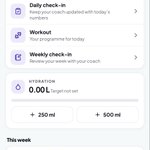
CTO at https://nitter.gq/t.co/7pBYaRb9Cj, coaching software for fitness coaches and nutritionists. Built with AI agents: 503 PRs merged in 30 days. Sharing how.

Melbourne, Victoria
Joined December 2023
Photo by Michal Szalinski (@teaser380)Photo by Michal Szalinski (@teaser380)Photo by Michal Szalinski (@teaser380)Photo by Michal Szalinski (@teaser380)Photo by Michal Szalinski (@teaser380)Photo by Michal Szalinski (@teaser380)Photo by Michal Szalinski (@teaser380)Photo by Michal Szalinski (@teaser380)Photo by Michal Szalinski (@teaser380)Photo by Michal Szalinski (@teaser380)
Start here: I'm Michal, CTO of CompleteCoach, software for fitness coaches, PTs and nutritionists. I build it solo with AI agents: 503 PRs merged in 30 days, median 34 min to merge. I post what works in agentic engineering and coaching businesses. Next up: Aura, coming soon.
2
127
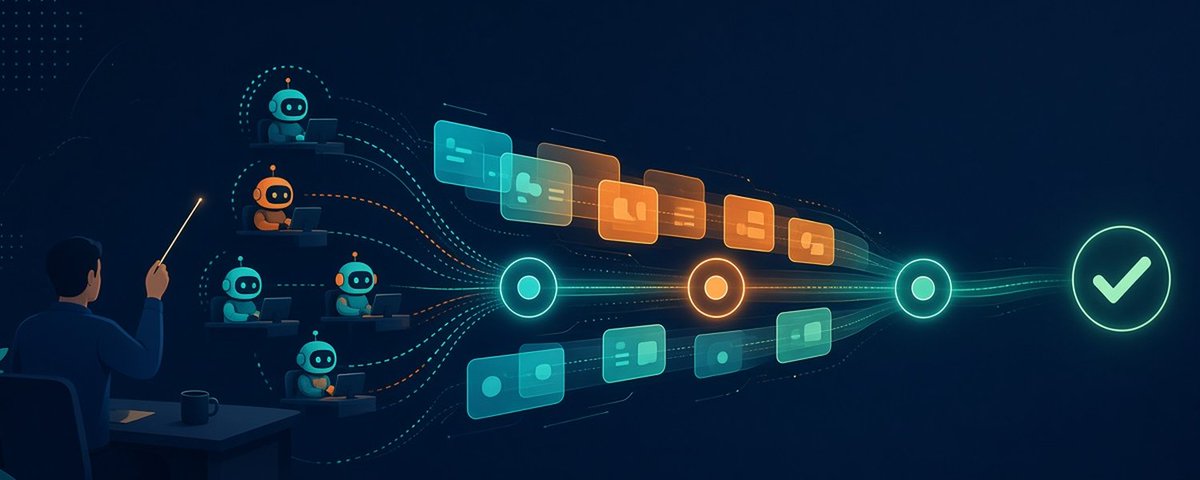
Just me and a team of AI agents...
3
I once had my AI produce modules of 5000+ lines. Completely unmaintainable. So now a check stops files getting bigger than the limit on CompleteCoach. Automatic checks also stop test coverage dropping and stop inconsistent colours creeping back into the design. Checks that only let things get better. I don't have to remember to nag.
1
14
Michal Szalinski retweeted
18 of the 20 best open models today are Mixture-of-Experts. Dense is basically over. And yet the know-how to train a good MoE still lives mostly in the heads of a handful of teams. So we spent 800k GPU hours running the experiments ourselves and wrote everything down. Super happy to finally release "The Ultimate MoE Training Handbook", free and open, organized around the questions training teams hit: - how many experts, how big, shared or not? - why is half my step spent in all-to-all, and how do I hide it? - why is my run 25x slower with no error in the logs? - softmax, sigmoid or sqrt(softplus) router, and why keep it in fp32? - aux loss or DeepSeek's loss-free bias? - upcycle a dense checkpoint or train from scratch? - can I serve with fewer experts per token than I trained with? ⚠️ Warning: it's long (~70k words, budget a few days, sorry) but with 55 interactive figures, code you can run and numbers from our own runs. Read it here: huggingface.co/spaces/huggin…
117
517
67
3,890
210,980
Michal Szalinski retweeted
NVIDIA JUST OPEN-SOURCED A SEMANTIC LAYER FOR AI AGENTS Auto Ontology helps agents understand what business data means. Getting the SQL right doesn’t guarantee a correct answer. Different systems may define “revenue” differently. This Python framework creates shared context from enterprise metadata: > Business entities and metrics > Connections between data > Approved definitions and data lineage > Sources supporting an answer It builds ontologies from metadata, connects existing semantic models and resolves differences between definitions. For structured data, it can turn plain-language questions into SQL and check queries against the ontology. Agents can retrieve this context through MCP, CLI or API. That gives them business definitions alongside the data they query. 100% open-source.
9
4
26
1,373
What a brilliant idea. Can we make it so it works in AMD and Nvidia RTX?
Someone turned the hardest parts of LLM inference engineering into a course where you have to fix the performance problems yourself. it’s called tiny-llm, an open-source course for building a small vLLM-style inference engine around Qwen3. you build a working model, then fix the bottlenecks that make it slow. > implement attention and text generation > add a KV cache to reuse previous calculations > work with packed 4-bit weights > write faster operations in C++ and Metal > handle multiple requests with batching and paged memory the four-week course also covers a small coding agent with tool calls, checkpoints and context management. each stage includes exercises, reference solutions, tests and measurements. i like that you have to measure the improvements yourself. it uses MLX, C++ and Metal on Apple Silicon. No NVIDIA GPU required. the introductory path supports Qwen3-0.6B on an 8GB Mac, while some later checkpoints remain under development.
14
A coach reported imported clients were missing their check-in day. Easy move would've been patch that one screen and move on. So we checked every detail the import fills in against what the app creates. The same underlying problem caused five issues, including clients not being assigned a coach. One fix, and we filled in the missing details. Then we wrote down the principle: imported clients get treated exactly like every other client. Feels obvious now. Wasn't, until it was.
9
Getting Claude to analyse GPU memory leakage issue. What could possibly go wrong here
14
My AI agents forget everything. Every task starts fresh. Correct one on Tuesday and the next one makes the same mistake on Wednesday, total confidence. So at CompleteCoach I write the corrections down in the project. A short lesson: what went wrong, why, and the automatic check that stops it happening again. About 15 so far. Each one is a one way door. I say it once.
9
Michal Szalinski retweeted
NVIDIA Open-Sourced Auto Ontology, a Semantic Layer for AI Agents! Auto Ontology is a Python framework for building semantic, graph-based reasoning layers over data. AI agents can already query databases and retrieve documents. The harder problem is making sure they understand what the data actually means. A metric like “revenue” might be defined differently across two systems. The same customer can appear under different identifiers. A generated SQL query can be syntactically correct and still use the wrong business definition. Auto Ontology is built for that layer in between. It can build a semantic catalog over enterprise metadata so agents can reason about entities, metrics, relationships, lineage, and where trusted definitions come from. The workflow is roughly: Enterprise data + metadata → Auto Ontology → Semantic catalog / knowledge graph → AI agent → Grounded query + provenance It can generate ontologies from existing metadata, connect to semantic models you already have, reconcile inconsistent definitions across systems, and expose that shared context through MCP, CLI, or API. For structured data, it can also translate natural-language questions into SQL while validating the query against the ontology and certified definitions before returning the result. So instead of an agent simply asking: “How much revenue did we generate last month?” it can understand which revenue definition to use, which tables contain the right data, how those entities relate, and where the final answer came from. Auto Ontology currently supports relational sources including Databricks, Postgres, Snowflake, and DuckDB. It also exposes an MCP server, which means agents can query the same semantic layer directly. For enterprise agents, retrieval alone is not enough. They also need a shared understanding of what the underlying data actually means. 100% open source. I’ve shared the GitHub repo in the comments!
NVIDIA Open-Sources Auto Ontology, a Semantic Layer for AI Agents Your boss asks the AI agent: "What was revenue last quarter?" It answers in 3 seconds. Clean number. Nice chart. But it used the wrong "revenue" column. 𝗡𝗼𝗯𝗼𝗱𝘆 𝗻𝗼𝘁𝗶𝗰𝗲𝘀. That's the problem NVIDIA's new open-source library, Auto Ontology, goes after. Its README puts it plainly: "…𝘢 𝘳𝘦𝘷𝘦𝘯𝘶𝘦 𝘮𝘦𝘵𝘳𝘪𝘤 𝘢𝘯𝘴𝘸𝘦𝘳𝘦𝘥 𝘧𝘢𝘴𝘵𝘦𝘳 𝘪𝘴 𝘸𝘰𝘳𝘵𝘩 𝘯𝘰𝘵𝘩𝘪𝘯𝘨 𝘪𝘧 𝘵𝘩𝘦 𝘯𝘶𝘮𝘣𝘦𝘳 𝘪𝘴 𝘸𝘳𝘰𝘯𝘨." 𝗪𝗵𝗮𝘁 𝗶𝘁 𝗶𝘀: A "context layer" that sits between an AI agent and your database. It tells the agent where the data lives, what each field means, and whether to use it. 𝗛𝗼𝘄 𝗶𝘁 𝘄𝗼𝗿𝗸𝘀, 𝘀𝘁𝗲𝗽 𝗯𝘆 𝘀𝘁𝗲𝗽: • 𝗗𝗶𝘀𝗰𝗼𝘃𝗲𝗿: it reads your database metadata and drafts an ontology, a map of business terms like "active customer" • 𝗚𝗿𝗼𝘂𝗻𝗱: agents use those terms instead of guessing from raw table names • 𝗩𝗮𝗹𝗶𝗱𝗮𝘁𝗲: it checks generated SQL against certified definitions • 𝗘𝘅𝗽𝗼𝘀𝗲: agents reach it through MCP, a CLI or an API • 𝗟𝗲𝗮𝗿𝗻: certified corrections go back into the map 𝗙𝗼𝗿 𝘂𝘀𝗲𝗿𝘀: Ask a question, get 𝘁𝗵𝗲 𝗮𝗻𝘀𝘄𝗲𝗿, 𝘁𝗵𝗲 𝗦𝗤𝗟 𝗶𝘁 𝗿𝗮𝗻, 𝗮𝗻𝗱 𝘁𝗵𝗲 𝗿𝗼𝘄𝘀. You can check the work, not just trust it. 𝗙𝗼𝗿 𝗯𝘂𝗶𝗹𝗱𝗲𝗿𝘀: • Apache 2.0, runs with Docker Compose or Helm • Works with Databricks, Postgres, Snowflake and DuckDB • Defaults to NVIDIA's Nemotron models, but 𝗮𝗻𝘆 𝗢𝗽𝗲𝗻𝗔𝗜-𝗰𝗼𝗺𝗽𝗮𝘁𝗶𝗯𝗹𝗲 𝗲𝗻𝗱𝗽𝗼𝗶𝗻𝘁 𝘄𝗼𝗿𝗸𝘀 • The MCP server has 𝟵 𝗿𝗲𝗮𝗱-𝗼𝗻𝗹𝘆 𝘁𝗼𝗼𝗹𝘀. There is deliberately no tool to browse raw tables, so agents must go through the business terms 𝗜𝘁 𝗯𝘂𝗶𝗹𝗱𝘀 𝗼𝗻 𝗲𝗮𝗿𝗹𝗶𝗲𝗿 𝘄𝗼𝗿𝗸: • Cube and dbt MetricFlow: semantic layers you write by hand in code • Wren AI: an open semantic layer for AI agents, with a context layer built partly by agents • Snowflake's Semantic View Autopilot: also drafts semantic models with AI, but only for Snowflake What's different here: 𝗼𝗽𝗲𝗻 𝘀𝗼𝘂𝗿𝗰𝗲, 𝘄𝗼𝗿𝗸𝘀 𝗮𝗰𝗿𝗼𝘀𝘀 𝗳𝗼𝘂𝗿 𝗱𝗮𝘁𝗮𝗯𝗮𝘀𝗲𝘀, 𝗮𝗻𝗱 𝗯𝘂𝗶𝗹𝘁 𝗳𝗼𝗿 𝗮𝗴𝗲𝗻𝘁𝘀 𝘁𝗵𝗿𝗼𝘂𝗴𝗵 𝗠𝗖𝗣. 𝗧𝗵𝗲 𝗵𝗼𝗻𝗲𝘀𝘁 𝗽𝗮𝗿𝘁: • 𝗧𝗵𝗲 "𝟵𝟬% 𝗳𝗮𝘀𝘁𝗲𝗿" 𝗰𝗹𝗮𝗶𝗺 𝗶𝘀 𝗡𝗩𝗜𝗗𝗜𝗔'𝘀 𝗼𝘄𝗻 𝘁𝗲𝘀𝘁𝗶𝗻𝗴, with no baseline published • 𝗡𝗼 𝗮𝗰𝗰𝘂𝗿𝗮𝗰𝘆 𝘀𝗰𝗼𝗿𝗲𝘀 𝗮𝗿𝗲 𝗽𝘂𝗯𝗹𝗶𝘀𝗵𝗲𝗱. NVIDIA ships an eval harness (BIRD, 1,534 questions) but no results • That harness was tested with 𝗖𝗹𝗮𝘂𝗱𝗲 𝗢𝗽𝘂𝘀 𝟰.𝟴, 𝗻𝗼𝘁 𝗡𝗲𝗺𝗼𝘁𝗿𝗼𝗻 • 𝗪𝗶𝘁𝗵𝗼𝘂𝘁 𝗛𝗮𝘀𝗵𝗶𝗖𝗼𝗿𝗽 𝗩𝗮𝘂𝗹𝘁, 𝗱𝗮𝘁𝗮𝗯𝗮𝘀𝗲 𝗽𝗮𝘀𝘀𝘄𝗼𝗿𝗱𝘀 𝗮𝗿𝗲 𝘀𝘁𝗼𝗿𝗲𝗱 𝘂𝗻𝗲𝗻𝗰𝗿𝘆𝗽𝘁𝗲𝗱 in Postgres (per the README) • It's young: 𝗮𝗯𝗼𝘂𝘁 𝟳𝟱𝟬 𝗚𝗶𝘁𝗛𝘂𝗯 𝘀𝘁𝗮𝗿𝘀, and NVIDIA isn't accepting outside contributions 𝗧𝗵𝗲 𝗯𝗶𝗴𝗴𝗲𝗿 𝗽𝗼𝗶𝗻𝘁: the hard part of AI analytics isn't writing SQL. 𝗜𝘁'𝘀 𝗮𝗴𝗿𝗲𝗲𝗶𝗻𝗴 𝗼𝗻 𝘄𝗵𝗮𝘁 𝘁𝗵𝗲 𝘄𝗼𝗿𝗱𝘀 𝗺𝗲𝗮𝗻. GitHub: github.com/NVIDIA/auto-ontol… Links in reply 👇
59
97
3
796
54,993
Weird thing I had to teach my AI team: clients don't live inside the coach's laptop. They kept putting the client's approval in a modal on the coach's screen. Usually those two are on different continents. Agents know screens. Distance, not so much. nitter.gq/teaser380/status/21166…
1
22
Most agent failures I've seen aren't bad code. They're good code that does the wrong thing. So I approve intent; a spec and a clickable mockup before any code. Rejecting a mockup takes me minutes. Rejecting a finished feature means a rebuild. nitter.gq/teaser380/status/21166…
13
Best message …
Gentle reminder from Elon Musk
14
Michal Szalinski retweeted
Tremendous public service from Binance to publish this. Take your time to read it. Make all your engineers read it. In fact, anyone you know who works in tech, have them read it. This was the largest single heist in human history, $6B+, and it happened through mundane channels. The Internet is now going to be full of AI-accelerated social engineering toxic sludge, and it's your job to be hypervigilant. Build your infrastructure in a way that assumes it will get compromised. Make sure you have AI-powered monitoring 24/7 and a "shut it all down" killswitch in case you ever need to go nuclear. The stakes are too high to be scrambling in the moment the way it seems Binance was during this attack.
84
160
19
1,612
320,187
Agree, and most of my harness isn't the model either. A pre-merge script fixes the boring failures deterministically, risk labels route security and tenant changes to me, and a lessons log gets read at the start of every task. 601 PRs merged in 30 days on that.
The more I study coding agent harnesses, the more I realize how much of the engineering happens OUTSIDE the LLM. A complete harness brings together: • LLM and tools • Planning loop • Context engineering • Memory and sandboxing • Orchestration and serving layers Together, these components turn a simple model into a system that can execute complex tasks. And now there’s been a shift toward headless architectures, where the same agent can operate through a terminal, web app, or messaging platform. TL;DR: The LLM is just one piece of the puzzle. The engineering is in the system surrounding it.
1
1
2
34
Michal Szalinski retweeted
BABY, YOU FLEW
1,783
2,680
495
18,531
2,683,877
Anthropic's study: analysts followed an agent's secretly coin-flipped lean 86% of the time. A human in the loop mid-task mostly agrees. So I moved where I sit. On CompleteCoach I decide at three points: 1. Before any code, I approve the spec and click through a mockup. 2. Risky changes like security or tenant data are routed to me by label. 3. Every production release needs my yes. Everything in between is tests, CI and verifier agents. 99.6% of 779 merged PRs had green checks.
2
1
53