

Start a Bitcoin Savings Plan at your company today.
Kelowna, BC
Joined August 2023
- Tweets1.4K
- Following542
- Followers1.2K
- Likes742







Pinned Tweet
You figured out Bitcoin years before the people who work for you.
You still cannot tell them to buy it.
Soon you will not have to.
Be the Reason.

Every benefit you offer is a bet on someone’s future.
Most of them lose to inflation. One does not.
Soon your team can save in Bitcoin straight from payroll.
Be the Reason.

Most people will never open a Bitcoin account on their own.
They will tick a box on a benefits form.
That is the whole opportunity.

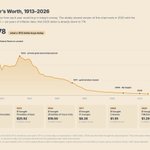
What $1 from each year buys today:
1913: $33.78
1971: $8.26
2008: $1.55
2020: $0.77
Every version of this chart goes out of date. That's the point of it.

You cannot give your team back the years you spent figuring this out.
You can give them a shorter path to it, starting on payday.

Stacking works because it is boring.
Same amount, same day, no decisions.
That is also why it belongs in payroll, where every other good savings habit already lives.

Block Rewards retweeted

This week I am the guest on @letscompport
Compensation & Coffee Podcast. Talking about @Block_Rewards, inflation, the limitations of paying in one currency, and bitcoin.
Link below.
Meat prices since 2005, in local currency:
China +130%
Canada +130%
United States +129%
Euro area +72%
Switzerland +10%
Three different economies, three different paths, same destination.
Then there's the franc.

Block Rewards retweeted
We enrolled a company with 30 employees for a Bitcoin Savings Plan this morning and I got to do the employee meeting myself.
This is one of the unique things about @Block_Rewards. There are other ways to buy bitcoin through payroll but we support the employer in the process.
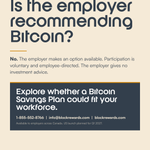
Is the employer recommending Bitcoin? No. The employer makes an option available. Participation is voluntary and employee-directed. The full report is at blockrewards.com.


A Canadian truck driver needed 4.7 years of pay for an average home in 1990, 12.3 today.
The honest version, with mortgage rates priced in (13.3% then, 4.87% now):
1990: 50% of gross pay
2025: 68%
Lenders cap it at 39%. In 1990 it qualified. Today it doesn't.


