

Father Factor Inc., 501 © 3, is one of the District’s premier fatherhood, parenting training, substance abuse and violence prevention initiatives.
Washington DC
Joined January 2021
- Tweets323
- Following128
- Followers165
- Likes244






FatherFactorInc retweeted

100 Black Fathers Graduate From Program Aimed at Making Them Better Dads . Thoughts 💭 ⁉️
FatherFactorInc retweeted

The "Chop Suey" Boom, a legal loophole, is why the number of Chinese restaurants in the U.S. quadrupled between 1910 and 1930, even though immigration was technically "banned." It wasn't just about the food; it was about creating a "legal bridge" to bring their people into the country.
In white neighborhoods Chinese businesses were met with violence, boycotts, or "anti-chop suey" laws (yes, those were real). In Black neighborhoods, there was often more of a "live and let live" economic relationship.
Chinese entrepreneurs could provide services (like laundries and affordable food) in Black neighborhoods that white-owned businesses refused to provide to Black citizens and denied them loans for them to do for thrmselves.
FatherFactorInc retweeted

👇 DPW says they will begin regular curbside and alley trash collection beginning tomorrow, Monday, Feb 2. They’ve made good progress, and the crews are working hard, but to help set expectations I’d still expect some misses along the way even with best effort. 👇

We’ve made strong progress on trash and recycling collection across the District this weekend.
Normal collection schedules for both frontside and alley-served homes will resume.
What to expect this week:
• Frontside collection: Please place trash and recycling cans out front on your regular pickup day.
• Alley collection: Crews are using Bobcats to clear pathways to bins. Please place cans out on your regular pickup day and leave them out until they are collected.
Thank you for your patience as crews continue post-storm recovery efforts.

FatherFactorInc retweeted

Here's how to stay in the loop on weather impacts in DC this weekend:
✔️Sign up for real-time alerts: alert.dc.gov
✔️Find Metro impacts: wmata.com/service/status
Let's work together to stay safe this weekend.

FatherFactorInc retweeted

October is recognized as Youth Justice Action Month. This year marks the 50th Anniversary of the Juvenile Justice and Delinquency Prevention Act (JJDPA). OVSJG is committed to advancing community-based juvenile justice & elevating the voices of the youth through programming.


FatherFactorInc retweeted

Where are you engaging in service and what groups are you supporting this holiday season? Today I’m attending an ornament making class to remember victims of gun violence.

ALT Cure the Streets Historic Anacostia / Fairlawn. Gun violence victims ornament making class. Hosted by Shauna Brown. Ornament making, hot chocolate bar, light refreshments. Capital Hill Bous Club, 1603 Marion Barry Ave Washington DC 20020. December 22nd 2-4 For more information: www.fatherfactorinc.com.


FatherFactorInc retweeted
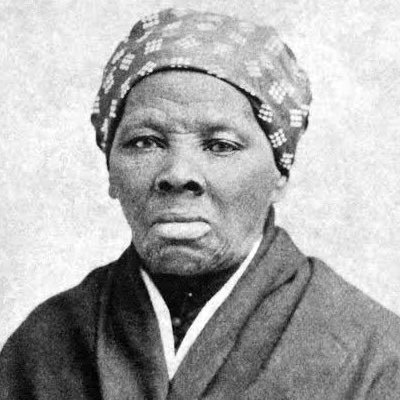
Mum Bett was one of the first enslaved black American to sue for freedom and win in Massachusetts. As a free woman she took up the name Elizabeth Freeman.
She was W.E.B Du Bios great grandmother.
Her case served as precedent in the state that brought an end to the practice of slavery in Massachusetts.
Freeman's real age was never known, but an estimate on her tombstone puts her age at about 85. She was buried in the Sedgwick family plot in Stockbridge, Massachusetts. She died in 1829.
Freeman was among the first enslaved black Americans in Massachusetts to file a "freedom suit" and win in court under the 1780 constitution, with a ruling that slavery was illegal. Her county court case, Brom and Bett v. Ashley, decided in August 1781, was cited as a precedent in the Massachusetts Supreme Judicial Court appeal review of Quock Walker's "freedom suit". When the state Supreme Court upheld Walker's freedom under the constitution, the ruling was considered to have informally ended slavery in the state.
LIFE & TRIAL:
Elizabeth Freeman was illiterate and left no written records of her life. Her early history has been pieced together from the writings of contemporaries to whom she told her story or who heard it indirectly, as well as from historical records.
Freeman was born into slavery about 1742 at the farm of Pieter Hogeboom in Claverack, New York, where she was given the name Bett. When his daughter Hannah married John Ashley of Sheffield, Massachusetts, Hogeboom gave Bett, then in her early teens, to them. She remained with them until 1781, during which time she married and had a child, Betsy. Her husband (name unknown, marriage unrecorded) never returned from service in the Revolutionary War.
Throughout her life, Bett exhibited a strong spirit and sense of self. She came into conflict with Hannah Ashley, who was raised in the strict Dutch culture of the New York colony. In 1780, Bett prevented Hannah from striking her daughter Betsy with a heated shovel, but Elizabeth shielded her daughter and received a deep wound in her arm. As the wound healed, Bett left it uncovered as evidence of her harsh treatment.
Soon after the Revolutionary War, Freeman heard the constitution read at Sheffield and these words:
“ All men are born free and equal, and have certain natural, essential, and unalienable rights; among which may be reckoned the right of enjoying and defending their lives and liberties; that of acquiring, possessing, and protecting property; in fine, that of seeking and obtaining their safety and happiness." —Massachusetts Constitution, Article 1.
Bett sought the counsel of Theodore Sedgwick, a young abolition-minded lawyer, to help her sue for freedom in court. Sedgwick willingly accepted her case. He enlisted the aid of Tapping Reeve, the founder of America's first law school, located at Litchfield, Connecticut.
The case of Brom and Bett vs. Ashley was heard in August 1781 before the County Court of Common Pleas in Great Barrington. Sedgwick and Reeve asserted that the constitutional provision that "all men are born free and equal" effectively abolished slavery in the state. When the jury ruled in Bett's favor, she became the first African-American woman to be set free under the Massachusetts state constitution.
The court assessed damages of thirty shillings and awarded her compensation for their labor.
After the ruling, Bett took the names Elizabeth Freeman.
LEGACY:
The decision in the case of Elizabeth Freeman was cited as precedent when the State Supreme Judicial Court heard the appeal of Quock Walker v. Jennison. Walker's freedom was upheld. These cases set the legal precedents that ended slavery in Massachusetts. Vermont had already abolished it explicitly in its constitution.
🖋️if you love our content, please consider supporting our page on AfricanArchives.Support (follow the ko-fi page too for weekly posts roundup)

