





Early Kushan sculpture pioneered the human-form depiction of Surya, clad in Udichyavesha (Central Asian attire). It beautifully captures the cultural fusion of the Iranian deity Mithra and Indian Surya, complete with a Zoroastrian fire altar at the base.
1st century CE,
Mathura.


Tasmātiha, bhikkhave, yaṁ kiñci rūpaṁ atītānāgatapaccuppannaṁ
ajjhattaṁ vā bahiddhā vā oḷārikaṁ vā sukhumaṁ vā hīnaṁ vā paṇītaṁ vā
yaṁ dūre santike vā, sabbaṁ rūpaṁ:
‘netaṁ mama, nesohamasmi, na meso attā’ti
evametaṁ yathābhūtaṁ sammappaññāya daṭṭhabbaṁ.


A meta-analysis of 912 neuroimaging studies finds no single core brain region or network underlying the self, challenging the prevailing view of a shared cortical midline or insular anchor. Instead, self-related processing emerges from contextually determined, shifting coalitions of distributed brain systems, suggesting that selfhood is defined by dynamic configuration rather than a fixed neural substrate.
biorxiv.org/content/10.64898…


Johannes Bronkhorst argues that the eastern Gangetic plain had a distinct culture that was Indo-Aryan but not Vedic. While the west was the Vedic heartland, the east was the home of the Śramaṇa tradition like Buddhism, Jainism, Ājīvika. In this culture, Kshatriyas ranked higher than Brahmins, and Vedic sacrifices and authority were rejected.
Vedic texts themselves place Magadha outside the pure Aryan area: the Atharvaveda, sends fever to Magadha and Anga, and the Śatapatha Brāhmaṇa states that Kosala and Videha were not fully Brahmanized, much less Magadha. Later Dharmaśāstras also treated Magadha as impure.
According to Bronkhorst, ideas of karma and rebirth were already present in Greater Magadha and were later adopted by the Vedic tradition.
Therefore, Buddhism and Jainism did not “originate from” Vedic religion; they belonged to a parallel Śramaṇa stream and consciously rejected Vedic authority rather than merely adapting it around a single figure.
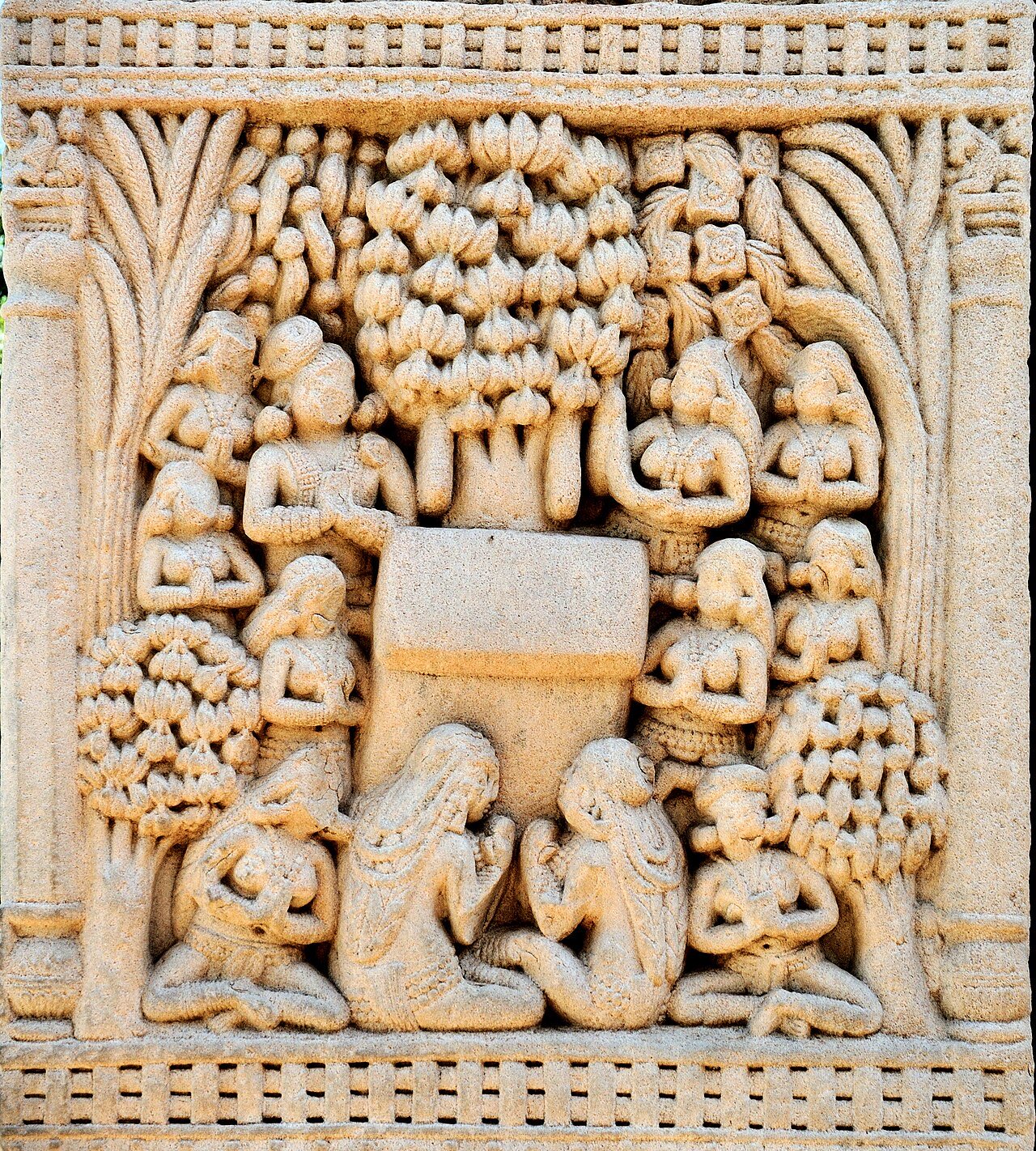

How long will we continue to hide our ignorance behind the 'left-wing influence' label?
In Brihajjataka, Varahamihira does not explicitly state his birth year or the year in which he composed the work. He does, however, mention his name and his place of origin (Avanti). The primary evidence for dating comes from the Panchasiddhantika, not from Brihajjataka.
• In the Panchasiddhantika, Varahamihira refers to the Shaka year 427, which corresponds to 505 CE.
• He also mentions Aryabhata (born 476 CE), indicating that he lived after him.
• Al-Biruni also places him around 505 CE.


The Western Kshatrapas (Shakas) remained in the Gujarat-Malwa region until the end of the 4th century CE. Their final ruler, Rudrasimha III, was defeated by the Gupta emperor Chandragupta II sometime between 395 and 413 CE. Chandragupta II assumed the titles 'Vikramaditya' and 'Shakari'.
There is no historical evidence for the famous Vikramaditya of 57 BCE to whom the initiation of the 'Vikrama Samvat' is attributed. Modern historians consider this a later legend, likely inspired by the conquests of Chandragupta II.
Shudraka (the author of Mrichchhakatik) is a literary or mythical figure, not a historical king who brought an end to the Shakas. The earliest references to this era appear under the names 'Krita' and 'Malava Gana' (found in inscriptions from the 3rd to 5th centuries CE in the regions of Rajasthan and Malwa).
The name 'Vikrama' first appears in an inscription dated to 842 CE. Explicit references linking it to 'Vikramaditya' are of an even later origin.
By distancing themselves from their Saurashtrian cultural roots, Gujarati films paved the way for their own decline.


