

We envision a world in which drug policies uphold dignity, health and rights. We use data and advocacy to promote harm reduction and drug policy reform.
London
Joined February 2011
- Tweets12.5K
- Following1.6K
- Followers27.1K
- Likes4K







Harm Reduction International retweeted

“From custody to abandonment: Conceptualising Aboriginal people's drug treatment discontinuation after release” by Maja Lindegaard Moensted and colleagues (2026) via @ijdrugpolicy…does release from prison mean release from care?
Link: sciencedirect.com/science/ar…

What do trans people need from the harm reduction movement?
Single-door services. Respect. Empathy.
Holistic responses that adapt to people’s needs and context can help create better-integrated services.
What did you used to believe about HIV that you now know is not true?
At #AIDS2026, Alexandre Putti and João Netto reflect on how their perspectives have changed. HIV care is shaped by science, community and its intersections with other marginalised communities.
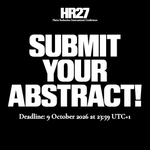
Last chance! Today is the final day to submit your abstract for #HR27Belfast.
Your work, insights and stories can help shape the conversation at the conference.

The Harm Reduction Summit with @therapy_wisdom and @AndrewTatarsky is underway, through 9 Oct.
20 voices on meeting people where they are, incl. HRI's Founder Pat O'Hare.
Live discussion daily, 4PM ET therapywisdom.com/harm-reduc…

Harm Reduction International retweeted

How can drug policy better protect the rights, health and well-being of children and young people?
At "Youth and Drugs: Rethinking the Rules" / « Les jeunes et la drogue : repenser les règles », #GCDP, @UNHumanRights, @Genevaforum & @unige_en brought together Commissioners Ruth Dreifuss and @Kazatchkine, Ruby Lawlor (@YouthRISE), Shivani Verma (@UNHumanRights), Barbara Broers (UNIGE) & moderator Stéphane Bussard (@LeTemps).
The discussion highlighted the need for evidence-based, people-centered approaches that protect young people’s rights, health & well-being, alongside meaningful youth participation.
📖 Read GCDP’s policy brief: globalcommissionondrugs.org/…

Anti-gender attacks are a health emergency for trans communities.
At #AIDS2026, Pedro Ivo Oliveira, Health Officer at Global Action for Trans Equality, called for collective action to protect trans rights.
Coordination, collectivity and community are key.
HIV care has never been more advanced. But is everyone able to access it?
Stigma, marginalisation and barriers to healthcare continue to stand in the way of health equity.
At #AIDS2026, Alexandre Putti and João Netto shared key perspectives on what needs to change.
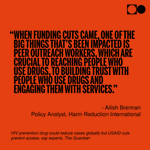
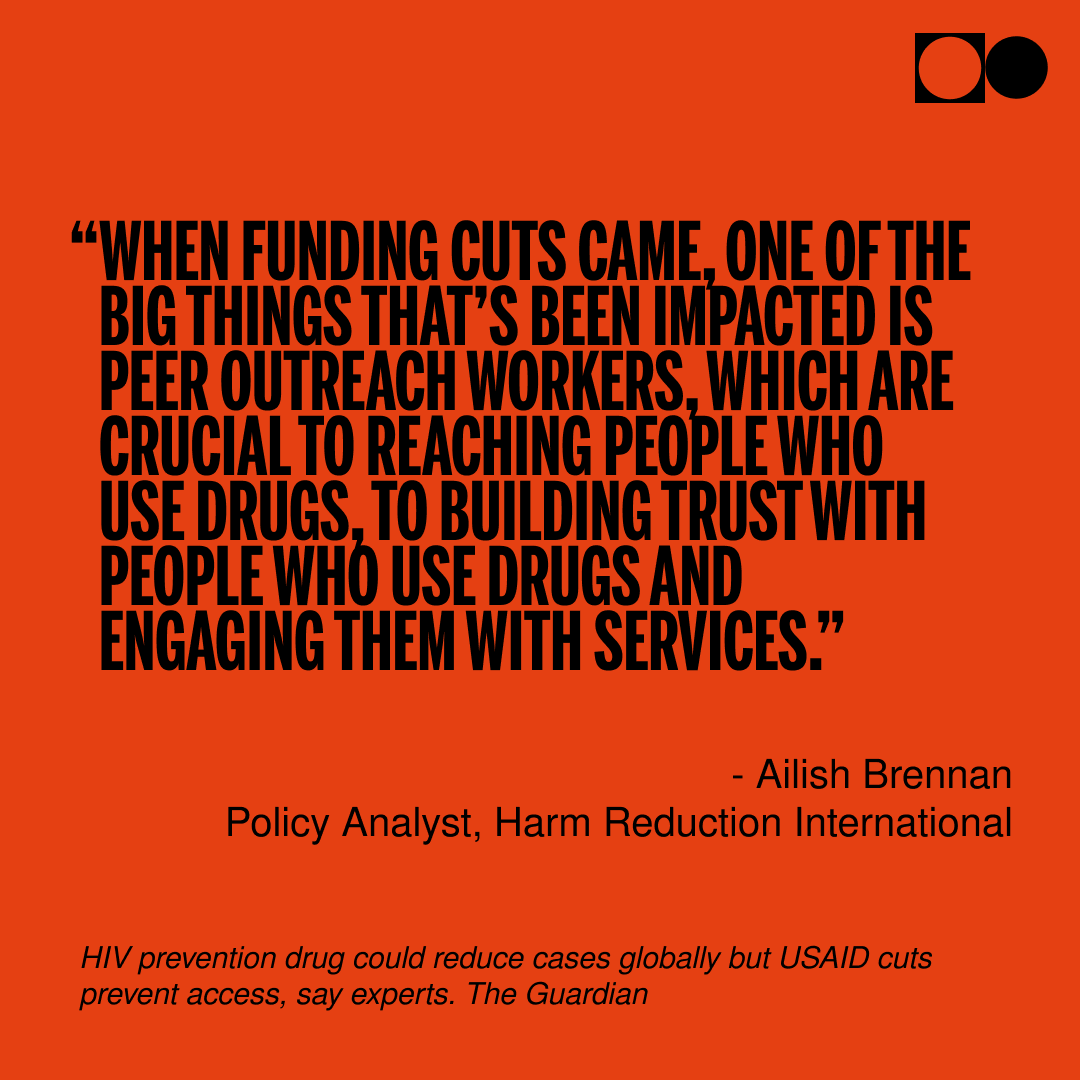
US foreign aid cuts have put people who use drugs and other vulnerable populations at enormous risk.
🔗Read The Guardian's article by @write_noise featuring Ailish Brennan, Policy Analyst at HRI: theguardian.com/society/2026…
#investinjustice
You asked. We listened. We have extended the abstract submission deadline for #HR27Belfast!

Submit your abstract before Friday, 9 October. hr27.hri.global/call-for-abs…
You can't miss #HR27Belfast!
💼Share your work.
🫂Make significant connections.
🌟Feel the innovation.


How can human rights scrutiny shape drug policy advocacy, accountability and reform?
Join us for a side event at the 63rd Session of the UN Human Rights Council.
📅 29 Sept
🕐 12–1 PM CET
📍 Room Concordia 1, Palais des Nations

🔎 Looking for human rights standards to strengthen your harm reduction advocacy?
HRI’s Human Rights Standards Database brings together UN norms, principles and recommendations on drug policy and human rights.
👉 Explore the database: hri.global/un-human-rights-s…
If you haven't submitted your abstract yet, now is the time!
hr27.hri.global/call-for-abs…

🫰Supporting harm reduction means supporting trans equity.
At #AIDS2026, Pedro Ivo Oliveira from Global Action for Trans Equality highlighted the urgent need for new, sustainable funding for these strategies.
HIV care has changed dramatically.
At #AIDS2026, Alexandre Putti and João Netto shared their experiences of these changes in HIV science and community.
What has changed in your community?
Around 80% of the HR27 programme will be selected through this open call for abstracts, making your submission central to the conversations that will take place in Belfast. Share your work! Submit your abstract before 30 September.

We welcome submissions from across the full spectrum of harm reduction, including research, policy, advocacy, service delivery, community organising, lived and living experience, education, arts and culture, and innovative practice.

Whether you are presenting the findings of a major research study, sharing lessons from a grassroots project, challenging conventional thinking, or creating space for dialogue, we encourage you to submit your work.
hr27.hri.global/call-for-abs…
