

Historian. BA Classical Studies. Roman history, how Rome was ruled, and Christian origins. Author of Creating Christianity. https://nitter.gq/t.co/Qn8j7hIYDp
United Kingdom
Joined August 2018
- Tweets2.9K
- Following191
- Followers191
- Likes6K



Pinned Tweet
Lawrence Alma-Tadema is praised for painting ancient Rome in extraordinary detail. He made Roman power look organised, confident and in control. This article looks at why critics later turned against that view of Rome.
See first comment.
#classicstwitter #romanhistory

1
93
A fair point. But how welcome is different thinking when it challenges established assumptions within academia itself? Intellectual openness should apply just as much to Classics and biblical studies as to the ancient world we study.

"If you spend half an hour on social media, one thing you will know for sure is that we need to learn what it might be like to think differently.”
Dame Mary Beard explains why ancient Roman and Greek history remains “surprisingly modern” and a tool for learning in today's world.
1
1
71
Henry H Davis retweeted

Our latest free books give-away, open to all worldwide. This time it's 8 books from the last 200 years, and 8 people will be drawn to pick their choice. Retweet this and you're in for the random draw on Sunday 11 October. Proper books these. Details to follow over next few hours!


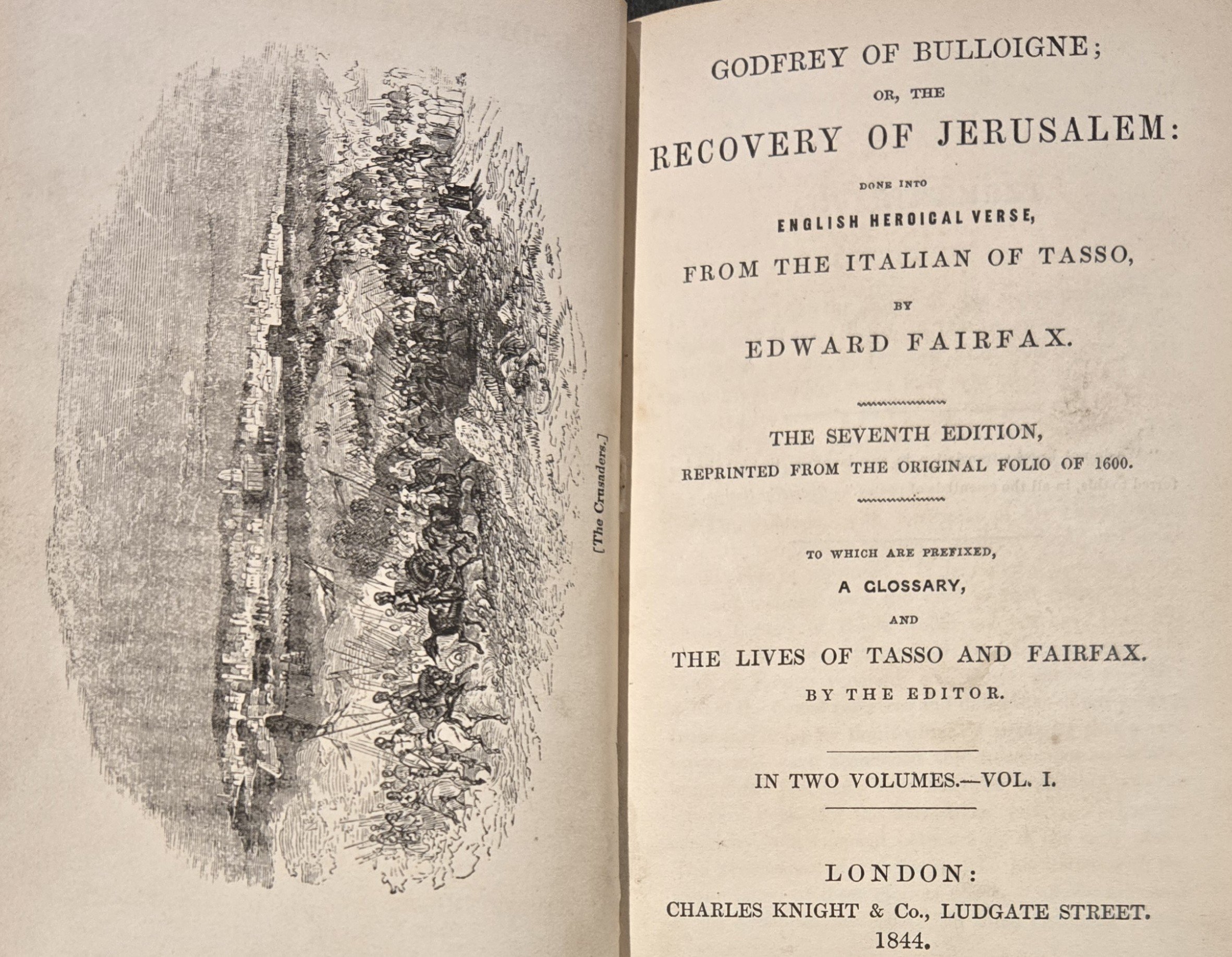

Translations are essential, but they can also hide what an ancient text actually says. Sometimes checking just one word in the original Greek, Latin or Hebrew can completely change what you notice.
#AncientHistory #Classics #Translation
henryhdavis.com/post/what-tr…

23
In this History Today piece, David Andress defines academic history as originality, significance, rigour, direct contact with evidence, new interpretation, and scrutiny by experts. I agree, but that view of how research is accepted needs to be applied consistently.


The study of history at UK universities appears to be under existential threat. Should anyone care?
🔓 This article is free for 7 days
buff.ly/Z70zDNS

1
1
41
Another nice second-hand bookshop find today. A 1939 first edition of Isaiah Berlin’s Karl Marx: His Life and Environment, published by Thornton Butterworth. It was Berlin’s first book.
#KarlMarx #BookHistory #History


65
Latest book find. 25 working volumes printed by OUP and CUP during the preparation of the New English Bible, including confidential Joint Committee copies, Westminster Abbey agenda, C. H. Dodd material and handwritten translation notes.
#BookHistory #BibleTranslation #RareBooks


33
The historian in me immediately asks: fixed for whom? Vespasian certainly restored stability to the imperial state after 69, but from Judaea the view of that ‘restoration’ would have looked rather different.


20
Even Emily Wilson is now retranslating Emily Wilson. Homer is always being reworked, whether in translation, scholarship, or cinema.

Emily Wilson is retranslating 'The Odyssey' — all over again | AP News
apnews.com/article/emily-wil…

60
Very pleased to find Ronald Syme’s 1964 Sallust in a second-hand bookshop. Always good to have a physical copy of a book you’ve already made plenty of use of. Classic Syme: Roman politics, elite rivalry, prosopography, and how Sallust shaped the past.
#RomanHistory #Classics


2
49
When you visit Tintagel, of course you buy... a replica Roman gladius.
#Tintagel #RomanHistory #AncientRome

1
73

Pretty pleased with the results of some holiday bookshop hunting.
#AncientHistory #Classics #BookHaul


1
43
The video version of the article on publishing in ancient Rome is now up.
Could an ordinary person have written and published a book in the Roman Empire? Probably not.
See first comment.
#classicstwitter #romanhistory
1
52


Unless I’m missing something, this is wrong. Julius Caesar explicitly connects druids with Britain in Gallic War 6.13, saying their teaching was believed to have originated there and that people travelled to Britain to study it.

40
This is a good reminder that ancient literature did not survive just because someone wrote it. It survived because people with the means to copy, collect and preserve it kept it alive.

Now on view!
This is the first early Ptolemaic fragment of the Odyssey ever discovered. It dates to the beginning of the Hellenistic period, after Alexander the Great, when the Great Library at Alexandria was built and began gathering works of Greek literature.
See this fragment on view in Gallery 162.
___
📜 “Papyrus fragment with lines from Homer's Odyssey,” ca. 285–250 BCE. Miscellaneous-Papyrus.
41
This is what public engagement looks like. A Homer-inspired blockbuster gets people reading Homer. That is not a problem to correct. It is an opportunity to build on.
#classicstwitter #ancienthistory

Do you hear that? That's the sound of a million scholars around the world rejoicing as people turn away from their phones towards books written thousands of years ago

1
112
The Economist calls Tim Whitmarsh’s chapter on Greek influence on the Gospels “outrageous and entertaining”. Given what classics knows about literacy, education and publishing, borrowing should be an obvious possibility, not an outrageous one.
#classicstwitter #BiblicalStudies

The most outrageous and entertaining chapter in Tim Whitmarsh’s new book suggests that the rip-roaring romances of ancient Greece could have influenced the composers of the gospels economist.com/culture/2026/0…

2
130